Hinh website 2024 09 16T210053.527
“Scroll down to the end of the article to listen to music.”

Introduction

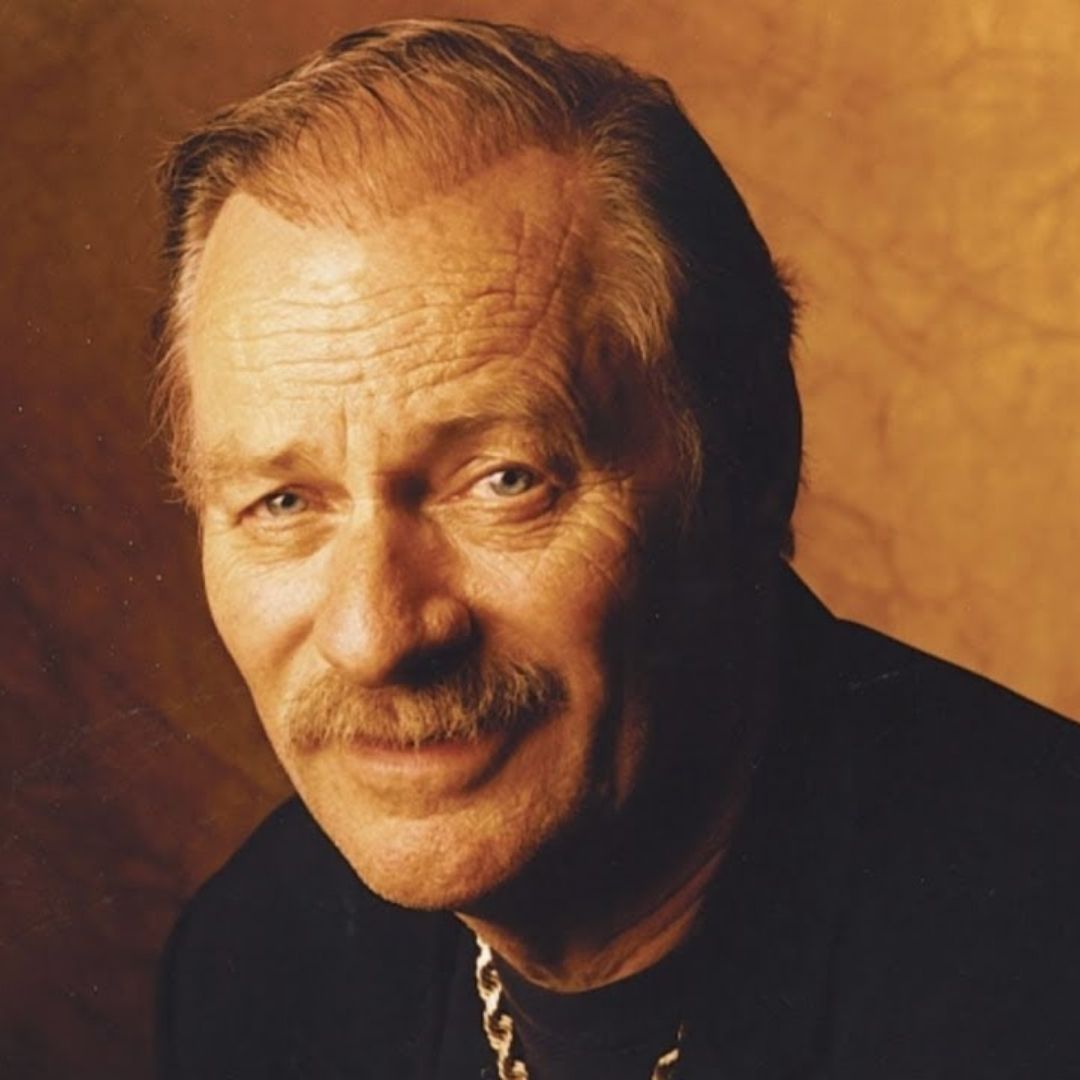
Music has a way of reflecting life’s toughest lessons, and few songs do this better than Vern Gosdin’s “Chiseled in Stone.” Written in 1988, it’s a song that doesn’t shy away from showing the harsh realities of heartache and loss. Whether you’ve been through difficult times or you’re a fan of poignant country music, “Chiseled in Stone” has the ability to reach deep into your soul and remind you of life’s fragility.

About The Composition

  • Title: Chiseled in Stone
  • Composer: Vern Gosdin, Max D. Barnes
  • Premiere Date: August 15, 1988
  • Album/Opus/Collection: Chiseled in Stone
  • Genre: Country

Background

“Chiseled in Stone” comes from a place of raw emotion, telling the story of a man realizing that his troubles, which initially seemed overwhelming, pale in comparison to those of others. Co-written by Vern Gosdin and Max D. Barnes, the song was released as the title track of Gosdin’s album in 1988. Gosdin, known as “The Voice” for his ability to bring such powerful emotion into his songs, poured his personal experiences and heartache into this piece. The song reflects themes of love, loss, and the sometimes-painful lessons life teaches us.

Upon its release, “Chiseled in Stone” struck a chord with listeners and critics alike. It quickly rose in popularity, earning Gosdin the Country Music Association’s award for Song of the Year in 1989. The song became a career-defining moment for Gosdin, cementing his place among country music’s most respected storytellers.

Musical Style

The musical style of “Chiseled in Stone” follows traditional country music roots, but its slow tempo, simple instrumentation, and haunting steel guitar create an atmosphere that amplifies the song’s somber message. Gosdin’s deep, gravelly voice anchors the song, evoking the sense of a man reflecting on life’s hardest truths. The arrangement is straightforward but powerful, allowing the lyrics to take center stage.

Lyrics

The lyrics of “Chiseled in Stone” tell the story of a man who visits a bar in the midst of personal turmoil, only to meet an older man who shares an even more heartbreaking story. The song’s pivotal line, “You don’t know about lonely until it’s chiseled in stone,” reveals that the older man has lost his wife, and her name is now engraved on her tombstone. This gut-wrenching realization shows that personal struggles, no matter how great they seem, can never compare to the finality of death and true loneliness.

Performance History

“Chiseled in Stone” has been performed countless times since its release, both by Vern Gosdin and other artists who have covered the track as a tribute to its emotional depth. It has become one of Gosdin’s most enduring hits, continuing to be a favorite in country music circles. The song’s CMA Song of the Year award in 1989 stands as a testament to its lasting impact.

Cultural Impact

Though steeped in traditional country sounds, “Chiseled in Stone” resonates far beyond the genre’s typical audience. Its message of human vulnerability and loss has found a place in popular culture, with the song used in films and television shows that seek to underscore emotional moments. Its honest portrayal of life’s harder moments continues to resonate with audiences today, over three decades after its release.

Legacy

“Chiseled in Stone” remains one of Vern Gosdin’s most significant contributions to country music. Its honest lyrics, coupled with the deep emotions they invoke, make it a song that still touches listeners’ hearts. Its relevance endures because it addresses universal themes—loss, loneliness, and the fragility of life—that are as pertinent today as they were in 1988.

Conclusion

“Chiseled in Stone” stands as one of the great country songs, filled with raw emotion and undeniable truth. It’s a piece of music that doesn’t just entertain—it makes you think, reflect, and feel. For anyone seeking to connect with music that speaks to the heart of what it means to live and lose, this song is a must-listen. I highly recommend finding a recording of Vern Gosdin’s original performance—his voice, filled with grit and heartache, will leave an unforgettable impression

Video

Lyrics

You ran cryin’ to the bedroom
I ran off to the bar
Another piece of heaven gone to hell
The words we spoke in anger
Just tore my world apart
And I sat there feelin’ sorry for myself
Then an old man sat down beside me
And looked me in the eye
He said, “Son, I know what you’re goin’ through
You ought to get down on your knees
And thank your lucky stars
That you’ve got someone to go home to
You don’t know about lonely
Or how long nights can be
Till you’ve lived through the story
That’s still livin’ in me
You don’t know about sadness
Till you’ve faced life alone
You don’t know about lonely
Till it’s chiseled in stone”
So I brought these pretty flowers
Hoping you would understand
Sometimes a man is such a fool
Those golden words of wisdom
From the heart of that old man
Showed me I ain’t nothin’ without you
You don’t know about lonely
Or how long nights can be
Till you’ve lived through the story
That old man just told me
And you don’t know about sadness
Till you’ve faced life alone
You don’t know about lonely
Till it’s chiseled in stone
You don’t know about lonely
Till it’s chiseled in stone

Related Post

BEFORE TOBY KEITH WROTE THE ANGRIEST SONG OF HIS LIFE, THERE WAS HIS FATHER’S MISSING EYE — AND A FLAG THAT NEVER CAME DOWN FROM THE YARD. H.K. Covel was not famous. He was not the man onstage. He was the kind of Oklahoma father who carried his patriotism quietly, in the way he stood, the way he worked, the way the flag outside his home was never treated like decoration. He had paid for that flag with part of his body. In the Korean War, Toby Keith’s father lost an eye while serving his country. He came home changed, but not emptied. He raised his family with that same stubborn belief that America was not perfect, but it was worth standing for. Then, in March 2001, H.K. Covel was killed in a car accident. Toby was already a star by then, but grief made him a son again. He kept thinking about his father. About the missing eye. About the flag in the yard. About all the things a hard man teaches without ever sitting down to explain them. Six months later, the towers fell. America heard the explosion. Toby heard something older. He heard his father. That is where “Courtesy of the Red, White and Blue” came from — not just from rage, not just from television footage, not just from a country stunned by smoke and sirens. It came from a son who had already buried the man who taught him what that flag meant. People argued about the song. Some called it too angry. Some called it exactly what the moment needed. And maybe that is why Toby never sang it like a slogan. He sang it like a son who had watched the symbol become personal before the whole world did.

AFTER 54 YEARS TOGETHER, GEORGE STRAIT LOOKED TOWARD NORMA — AND THE ROOM UNDERSTOOD THE SONG WAS BIGGER THAN THE STAGE. George Strait stepped into the spotlight, the warm lights falling across the shoulders of a man who had spent more than half a century singing to the world. But this time, the story was not in the cameras. It was in the front row. Norma, the girl he married when they were still young in Texas, sat quietly with the kind of expression only a lifetime can create. She had known George before the hat, before the arenas, before people called him the King of Country. She had also stood with him through the part fans rarely talk about — the loss of their daughter Jenifer in 1986, a grief George has always kept guarded. The audience waited for the familiar smile. The easy nod. The song they had come to hear. Instead, there was a pause. Not staged. Not dramatic. Just long enough for the room to feel the weight of what had followed him into every love song: the marriage, the miles, the private grief, the woman who stayed through all of it. George did not need to say much. A few soft words toward Norma, a lowered head, a voice not quite as steady as usual — that was enough for the room to understand. For decades, fans had sung his love songs like they belonged to everyone. That night, they felt where many of them had been pointing all along. To Norma. To the life behind the lyrics. To the woman who heard the quiet parts long before the crowd ever did.

You Missed

BEFORE TOBY KEITH WROTE THE ANGRIEST SONG OF HIS LIFE, THERE WAS HIS FATHER’S MISSING EYE — AND A FLAG THAT NEVER CAME DOWN FROM THE YARD. H.K. Covel was not famous. He was not the man onstage. He was the kind of Oklahoma father who carried his patriotism quietly, in the way he stood, the way he worked, the way the flag outside his home was never treated like decoration. He had paid for that flag with part of his body. In the Korean War, Toby Keith’s father lost an eye while serving his country. He came home changed, but not emptied. He raised his family with that same stubborn belief that America was not perfect, but it was worth standing for. Then, in March 2001, H.K. Covel was killed in a car accident. Toby was already a star by then, but grief made him a son again. He kept thinking about his father. About the missing eye. About the flag in the yard. About all the things a hard man teaches without ever sitting down to explain them. Six months later, the towers fell. America heard the explosion. Toby heard something older. He heard his father. That is where “Courtesy of the Red, White and Blue” came from — not just from rage, not just from television footage, not just from a country stunned by smoke and sirens. It came from a son who had already buried the man who taught him what that flag meant. People argued about the song. Some called it too angry. Some called it exactly what the moment needed. And maybe that is why Toby never sang it like a slogan. He sang it like a son who had watched the symbol become personal before the whole world did.

AFTER 54 YEARS TOGETHER, GEORGE STRAIT LOOKED TOWARD NORMA — AND THE ROOM UNDERSTOOD THE SONG WAS BIGGER THAN THE STAGE. George Strait stepped into the spotlight, the warm lights falling across the shoulders of a man who had spent more than half a century singing to the world. But this time, the story was not in the cameras. It was in the front row. Norma, the girl he married when they were still young in Texas, sat quietly with the kind of expression only a lifetime can create. She had known George before the hat, before the arenas, before people called him the King of Country. She had also stood with him through the part fans rarely talk about — the loss of their daughter Jenifer in 1986, a grief George has always kept guarded. The audience waited for the familiar smile. The easy nod. The song they had come to hear. Instead, there was a pause. Not staged. Not dramatic. Just long enough for the room to feel the weight of what had followed him into every love song: the marriage, the miles, the private grief, the woman who stayed through all of it. George did not need to say much. A few soft words toward Norma, a lowered head, a voice not quite as steady as usual — that was enough for the room to understand. For decades, fans had sung his love songs like they belonged to everyone. That night, they felt where many of them had been pointing all along. To Norma. To the life behind the lyrics. To the woman who heard the quiet parts long before the crowd ever did.