Hinh website 2024 09 14T221012.536
“Scroll down to the end of the article to listen to music.”
Introduction

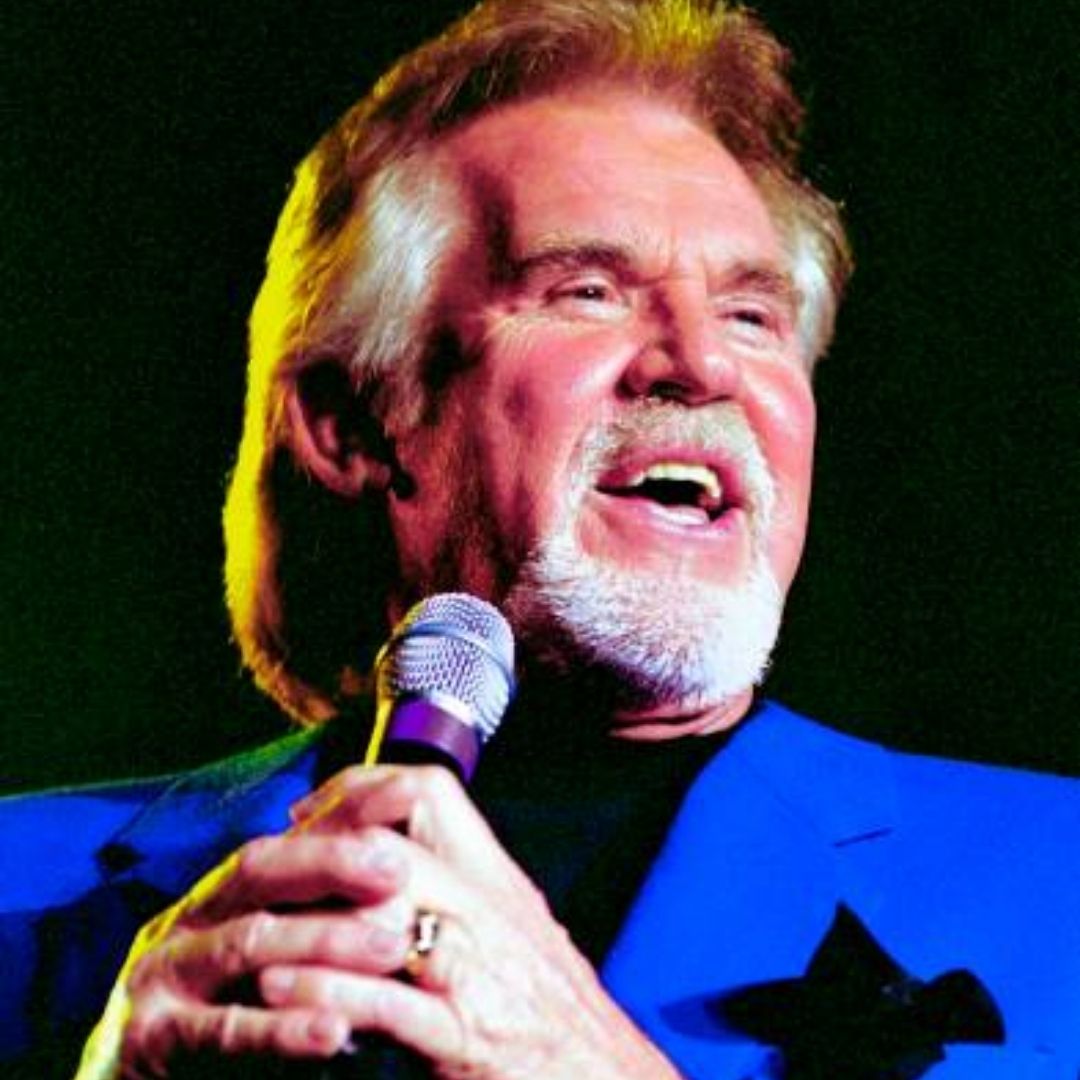
I remember driving down a winding country road on a warm summer evening when Kenny Rogers’ “Buy Me a Rose” came on the radio. The gentle strumming of the guitar and the heartfelt lyrics struck a chord with me, reminding me of the simple yet profound gestures that keep love alive.

About The Composition

  • Title: Buy Me a Rose
  • Composer: Jim Funk and Erik Hickenlooper
  • Premiere Date: February 2000
  • Album: She Rides Wild Horses
  • Genre: Country

Background

“Buy Me a Rose” is a significant piece in Kenny Rogers’ illustrious career. Released in 2000 as part of his album She Rides Wild Horses, the song marked a milestone by propelling Rogers to the top of the Billboard country charts, making him the oldest artist at the time (61 years old) to achieve this feat. Written by Jim Funk and Erik Hickenlooper, the song delves into the nuances of love and relationships, emphasizing the importance of small, meaningful gestures over grandiose displays.

The song was initially received with critical acclaim and resonated deeply with audiences, leading to its ascent to Number One on the country charts in May 2000. It holds a special place in Rogers’ repertoire, symbolizing a successful return to the spotlight and showcasing his timeless appeal.

Musical Style

The musical arrangement of “Buy Me a Rose” is characterized by its simplicity and emotional depth. The song features a gentle melody accompanied by acoustic guitar, allowing Rogers’ warm and emotive vocals to take center stage. The inclusion of backing vocals by Alison Krauss and Billy Dean adds a rich, harmonious layer that enhances the song’s introspective tone. The straightforward structure and relatable lyrics contribute to its lasting impact, inviting listeners to reflect on their own relationships.

Lyrics/Libretto

At its core, “Buy Me a Rose” tells the story of a man who realizes that his partner values the simple acts of love over material possessions. The themes revolve around communication, understanding, and the rediscovery of what’s truly important in a relationship. The narrative encourages listeners to appreciate the small moments and gestures that strengthen bonds between loved ones.

Performance History

Beyond its success on the charts, “Buy Me a Rose” has been performed by Rogers in numerous concerts and has been covered by other artists, including Luther Vandross in his 2001 album Dance with My Father. The song’s universal message has allowed it to maintain its relevance, touching audiences across different genres and generations.

Cultural Impact

The song has had a notable influence on both country music and broader popular culture. Its themes have been referenced in discussions about relationships and have appeared in various media formats. “Buy Me a Rose” stands as a testament to the enduring power of music to convey meaningful messages that transcend time.

Legacy

Over two decades since its release, “Buy Me a Rose” continues to resonate with listeners. Its emphasis on appreciating loved ones through simple acts remains relevant, serving as a gentle reminder of the values that nurture relationships. The song has solidified its place in Kenny Rogers’ legacy and continues to inspire both audiences and artists alike.

Conclusion

“Buy Me a Rose” holds a special place in my heart, not just as a beautiful song but as a poignant reminder of the importance of cherishing the small moments in life. I encourage you to listen to this timeless piece, perhaps starting with Kenny Rogers’ heartfelt rendition on She Rides Wild Horses. Let it inspire you to reach out to someone you love with a simple gesture that speaks volumes.

Video

Lyrics

He works hard to give her all he thinks she wants
Three car garage, her own credit cards
He pulls in late to wake her up with a kiss goodnight
If he could only read her mind she’d say:
“Buy me a rose
Call me from work
Open a door for me what would it hurt
Show me you love me by the look in your eyes
These are the litte things
I need the most in my life”
Now the days have grown
To years of feeling all alone
She can’t help but wonder what she’s doing wrong
Lately she’d try anything to turn his head
Would it make a difference if she’d say:
“Buy me a rose
Call me from work
Open the door for me what would it hurt
Show me you love me by the look in your eyes
These are the litte things
I need the most in my life”
And the more that he lives
The less that he tries
To show her the love that he holds inside
And the more that she gives
The more that he sees
This is the story of you
And me
So I bought you a rose
On the way home from work
To open the door to a heart that I hurt
And I hoped you noticed this look in my eyes
Cause I’m gonna make things right
For the rest of your life (rest of your life)
And I’m gonna hold you tonight
Do all those little things
For the rest of your life

Related Post

SEVEN YEARS AFTER LOSING HIS SON, CRAIG MORGAN WALKED BACK ONTO THE OPRY STAGE IN UNIFORM AND REJOINED THE ARMY AT 59. Craig Morgan had already spent seventeen years in the Army and Army Reserve before country music gave him another life. He had served with the 101st and 82nd Airborne Divisions. He had been a staff sergeant, a fire support specialist, a paratrooper, and a man who understood service long before he understood red carpets. Then came the records, the Opry membership, the tours, and the songs that made him a familiar voice on country radio. He had left military service three years short of twenty. Then July 29, 2023 came. Morgan walked onto the Grand Ole Opry stage in uniform. The crowd thought they were there for another country show. Instead, officers followed him out. Before a sold-out room, Craig Morgan raised his hand and was sworn back into the U.S. Army Reserve. He was fifty-nine. The process had not been symbolic. He needed a waiver. He had to pass physical tests. He had to prove that the singer people knew from “That’s What I Love About Sunday” and “Redneck Yacht Club” could still meet the standards required of a soldier. The Opry made the moment heavier. It was one of the last places he had spent time with his son Jerry before the boy drowned in 2016. Craig later said that after losing Jerry, every place carried a different meaning. The stage was no longer just a stage. It was a room filled with memory. Then Morgan sang “Soldier.” He was not returning because country music had failed him. He was returning because a part of his life had never felt finished.

THE HANDS THAT HELPED BUILD ALABAMA’S SOUND STARTED BETRAYING HIM YEARS BEFORE THE FINAL GOODBYE. JEFF COOK KEPT PLAYING AS LONG AS HE COULD. Jeff Cook was there before Alabama became a country machine. He was not hired into a finished legend. He helped build it from Fort Payne blood, family harmony, and the kind of stage work that came long before awards started stacking up. Randy Owen had the lead voice. Teddy Gentry had the bass and the bloodline. Jeff brought something restless and bright — guitar, fiddle, keyboards, mandolin, banjo, whatever the song needed. They were not just three men standing in front of studio players. They sounded like a band because they were one. Jeff’s instruments helped give Alabama its color — the fiddle lines, the guitar fire, the country-rock lift that made “Mountain Music,” “Tennessee River,” “Dixieland Delight,” and “If You’re Gonna Play in Texas” feel like they had been raised on both front porches and amplifiers. Then his body began turning against him. Jeff Cook was diagnosed with Parkinson’s disease in 2012. For years, most fans did not know. The band kept moving. The songs kept coming. The man who had spent his life making music with his hands was now fighting a disease that attacked movement, balance, coordination, and control. In 2017, he made it public. There was no dramatic speech that fixed anything. Parkinson’s does not care how many records a band has sold. It does not care how many fans know the words. It comes for the simple things first — the reach, the grip, the timing, the ease of doing what once felt natural. Jeff kept going as long as he could. By 2018, he stepped away from regular touring. Alabama continued with his blessing, but the shape had changed. The songs were still there. Randy and Teddy were still there. The crowds still sang. But one corner of the old triangle was missing from the nightly picture. That is the part fans felt without always saying it. A band can keep performing after illness changes the lineup, but it cannot pretend nothing changed. Jeff Cook had helped make Alabama’s sound feel like home for millions of people. When he could no longer stand inside that sound every night, the music carried a quieter ache. On November 7, 2022, Jeff died at his home in Destin, Florida. He was 73. The headlines said co-founder. Guitarist. Fiddler. Country Music Hall of Fame member. All true. But Alabama fans knew something simpler. The hands that once made the fiddle jump, the guitar ring, and the band feel whole had finally gone still.

You Missed

SEVEN YEARS AFTER LOSING HIS SON, CRAIG MORGAN WALKED BACK ONTO THE OPRY STAGE IN UNIFORM AND REJOINED THE ARMY AT 59. Craig Morgan had already spent seventeen years in the Army and Army Reserve before country music gave him another life. He had served with the 101st and 82nd Airborne Divisions. He had been a staff sergeant, a fire support specialist, a paratrooper, and a man who understood service long before he understood red carpets. Then came the records, the Opry membership, the tours, and the songs that made him a familiar voice on country radio. He had left military service three years short of twenty. Then July 29, 2023 came. Morgan walked onto the Grand Ole Opry stage in uniform. The crowd thought they were there for another country show. Instead, officers followed him out. Before a sold-out room, Craig Morgan raised his hand and was sworn back into the U.S. Army Reserve. He was fifty-nine. The process had not been symbolic. He needed a waiver. He had to pass physical tests. He had to prove that the singer people knew from “That’s What I Love About Sunday” and “Redneck Yacht Club” could still meet the standards required of a soldier. The Opry made the moment heavier. It was one of the last places he had spent time with his son Jerry before the boy drowned in 2016. Craig later said that after losing Jerry, every place carried a different meaning. The stage was no longer just a stage. It was a room filled with memory. Then Morgan sang “Soldier.” He was not returning because country music had failed him. He was returning because a part of his life had never felt finished.

THE HANDS THAT HELPED BUILD ALABAMA’S SOUND STARTED BETRAYING HIM YEARS BEFORE THE FINAL GOODBYE. JEFF COOK KEPT PLAYING AS LONG AS HE COULD. Jeff Cook was there before Alabama became a country machine. He was not hired into a finished legend. He helped build it from Fort Payne blood, family harmony, and the kind of stage work that came long before awards started stacking up. Randy Owen had the lead voice. Teddy Gentry had the bass and the bloodline. Jeff brought something restless and bright — guitar, fiddle, keyboards, mandolin, banjo, whatever the song needed. They were not just three men standing in front of studio players. They sounded like a band because they were one. Jeff’s instruments helped give Alabama its color — the fiddle lines, the guitar fire, the country-rock lift that made “Mountain Music,” “Tennessee River,” “Dixieland Delight,” and “If You’re Gonna Play in Texas” feel like they had been raised on both front porches and amplifiers. Then his body began turning against him. Jeff Cook was diagnosed with Parkinson’s disease in 2012. For years, most fans did not know. The band kept moving. The songs kept coming. The man who had spent his life making music with his hands was now fighting a disease that attacked movement, balance, coordination, and control. In 2017, he made it public. There was no dramatic speech that fixed anything. Parkinson’s does not care how many records a band has sold. It does not care how many fans know the words. It comes for the simple things first — the reach, the grip, the timing, the ease of doing what once felt natural. Jeff kept going as long as he could. By 2018, he stepped away from regular touring. Alabama continued with his blessing, but the shape had changed. The songs were still there. Randy and Teddy were still there. The crowds still sang. But one corner of the old triangle was missing from the nightly picture. That is the part fans felt without always saying it. A band can keep performing after illness changes the lineup, but it cannot pretend nothing changed. Jeff Cook had helped make Alabama’s sound feel like home for millions of people. When he could no longer stand inside that sound every night, the music carried a quieter ache. On November 7, 2022, Jeff died at his home in Destin, Florida. He was 73. The headlines said co-founder. Guitarist. Fiddler. Country Music Hall of Fame member. All true. But Alabama fans knew something simpler. The hands that once made the fiddle jump, the guitar ring, and the band feel whole had finally gone still.

JOHNNIE JOHNSON SAT DOWN AT THE PIANO IN 2003, AND THE KENTUCKY HEADHUNTERS PUT THEIR OWN ALBUM ON HOLD. THREE DAYS OF MUSIC WENT INTO A BOX — AND DIDN’T COME OUT UNTIL TEN YEARS AFTER JOHNNIE WAS GONE. The Kentucky Headhunters were supposed to be working on *Soul*. By then, they were no longer the new long-haired band that had shocked Nashville with *Pickin’ on Nashville*. The awards, the double platinum record, and the first big wave were behind them. What stayed was the part that had always been there — Kentucky boys with country, Southern rock, blues, and bar-band grease all mixed into the same hands. Then Johnnie Johnson walked in. He was not just another guest musician. He was the piano man tied to Chuck Berry’s early rock and roll records, the kind of player who could make a band stop chasing a plan and start listening to the room. The Headhunters had brought him in for the *Soul* sessions. But once he sat down, the session changed shape. They put *Soul* aside. For three days, they played with Johnnie. Songs came fast. Blues tunes, rough takes, live-room energy. Not polished like a label meeting. More like a band and an old master catching something before it disappeared. When it was over, the tapes were not treated like the next release. They were put away. Richard Young later kept them under his bed. Johnnie Johnson died in 2005. The music stayed hidden until his wife Frances asked about those recordings. In 2015, The Kentucky Headhunters finally released them as *Meet Me in Bluesland*. It was not just another late-career album. It was three days from 2003, pulled out from under a bed, with Johnnie’s piano still alive in the room.