Hinh website 2025 09 16T200034.094
“Scroll down to the end of the article to listen to music.”

Introduction

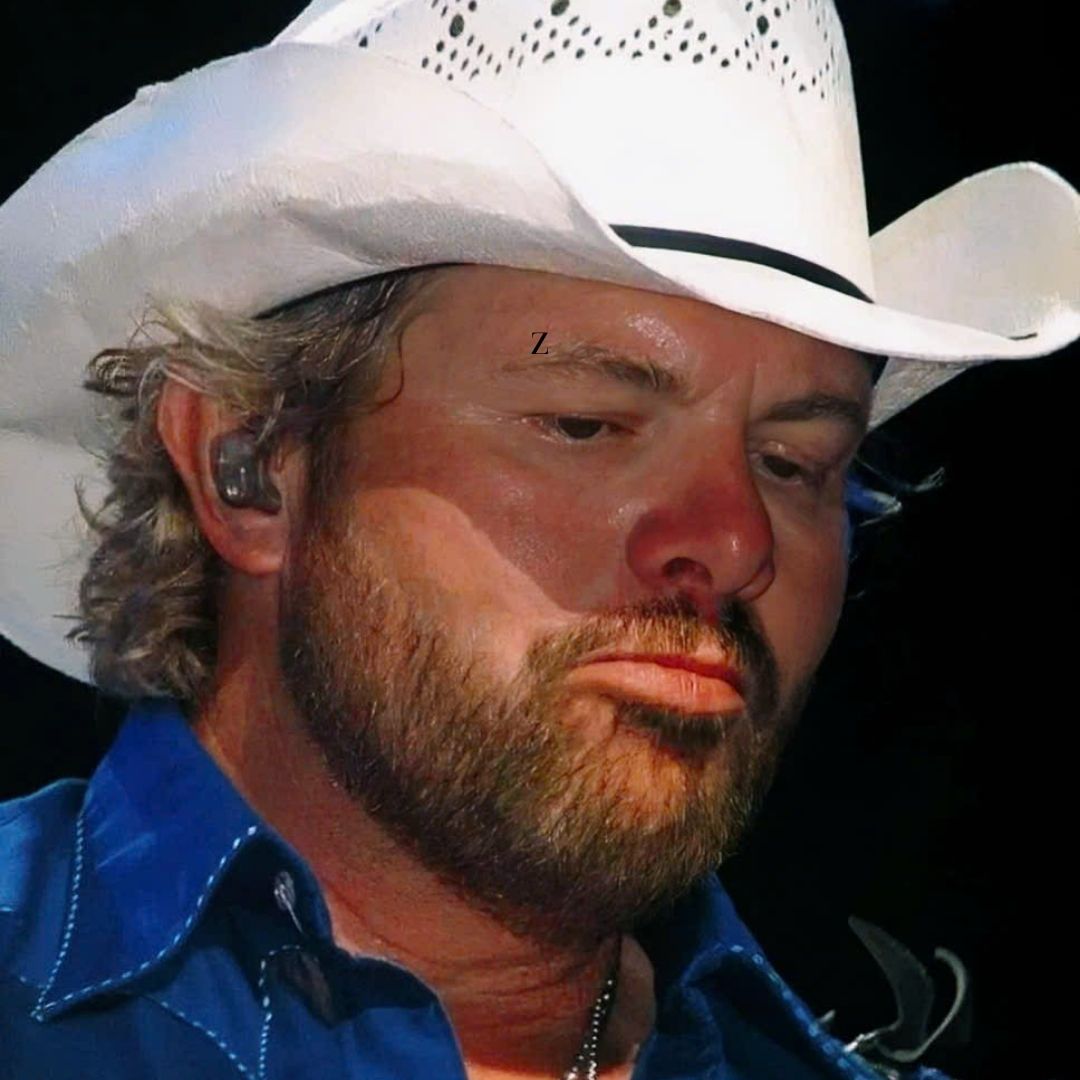
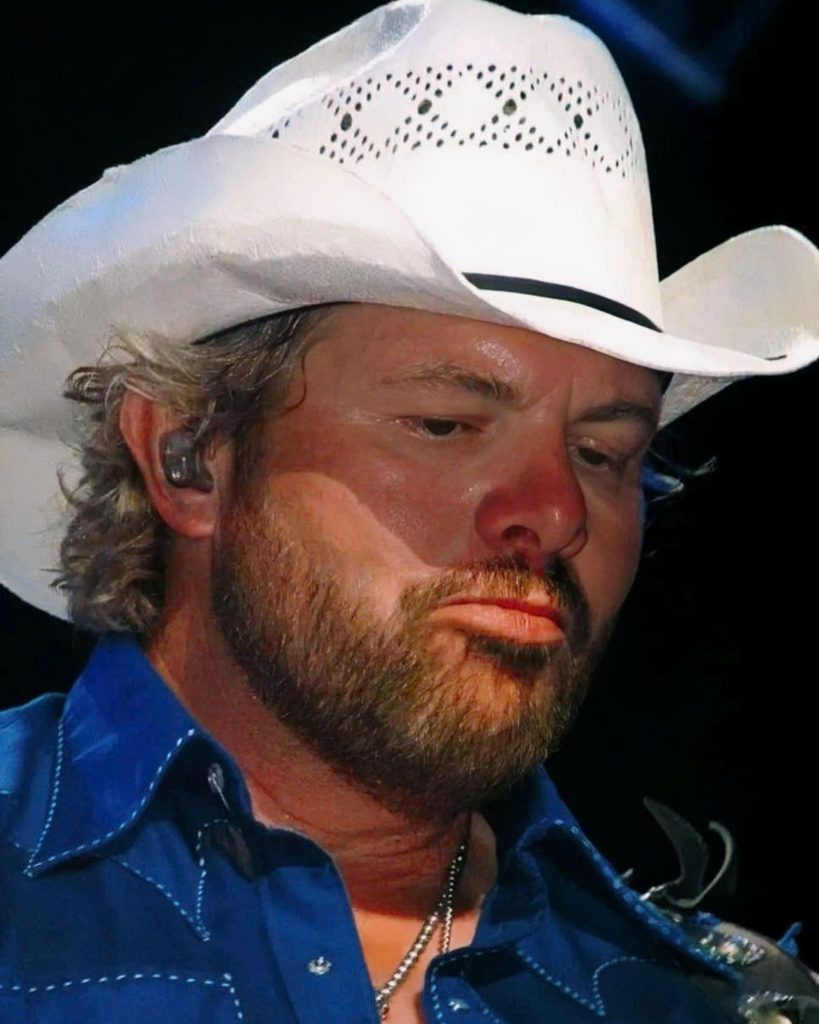
Some songs arrive through careful craftsmanship, shaped over weeks or months until every lyric and note is perfected. Others burst forth because the writer has no choice but to release what’s inside. Toby Keith’s “Courtesy of the Red, White and Blue (The Angry American)” belongs unmistakably to the latter category. Released in 2002, it was not simply another entry in his catalog, but a deeply personal outpouring born from grief, pride, and anger.

The backdrop to this song is essential to understanding its raw power. Keith had recently lost his father, a proud Army veteran who instilled in him a deep respect for country and service. Then came the September 11th attacks, a moment that shook the United States to its core. Those two events collided in Keith’s heart, and the result was a song that captured both his private loss and the collective rage and resilience of a wounded nation.

Unlike many polished Nashville ballads, “Courtesy of the Red, White and Blue” was written in a burst of urgency. Keith has admitted that the words came to him in roughly 20 minutes, as though they demanded to be spoken. You can feel that immediacy in the song’s structure and delivery. There is no room for metaphorical softness. Instead, it is direct, unapologetic, and brimming with emotion. It was never intended to be delicate—it was meant to be honest.

Musically, the track is anchored in a driving country-rock style. With pounding drums, roaring guitars, and Keith’s unmistakable baritone, the arrangement amplifies its message of strength and defiance. It is not about subtle textures or nuanced storytelling. Rather, it is about channeling raw energy into sound, echoing the spirit of a nation that refused to be cowed by tragedy.

For American troops overseas, the song quickly became more than just a recording—it was an anthem. Keith performed it for service members, who embraced it as a battle cry, a reminder that their sacrifices were recognized and honored back home. Soldiers sang along, fists raised, drawing strength from the blunt, unfiltered patriotism the lyrics carried.

Of course, its confrontational tone also sparked controversy. Critics argued that the imagery and language were too sharp, too aggressive. Yet that criticism missed the point. Keith did not write the song to please everyone—he wrote it because it reflected his truth in that moment. In doing so, he tapped into emotions many Americans were grappling with but could not articulate.

Two decades later, “Courtesy of the Red, White and Blue” still stands as one of Toby Keith’s most defining works. It may lack the tenderness of “You Shouldn’t Kiss Me Like This” or the quiet reflection of “Don’t Let the Old Man In,” but it reveals another side of the man: the straightforward son of a soldier, unafraid to speak his mind.

At its heart, the song carries a simple, enduring message—that America’s strength lies in its people, its pride, and its resilience. Love it or hate it, no one could ignore it. And in giving voice to both personal grief and national defiance, Toby Keith ensured that his song would endure as a defining anthem of its era.

Video

Related Post

NEIL DIAMOND DIDN’T CUT THE SONG. HIS ROADIE HAD WRITTEN IT. THEN TWO FLORIDA BROTHERS HEARD “LET YOUR LOVE FLOW” AND IT CARRIED THEM AROUND THE WORLD. David and Howard Bellamy did not come out of a Nashville machine. They came out of Florida country poverty, raised around a father who played Western swing and a home where music was not separated neatly into country, pop, rock, or anything else. The brothers learned instruments without formal training. They played early gigs around Florida, including local dances and rough little rooms where a band had to win people over before anybody cared what category the music belonged to. Then the road bent toward Los Angeles. David had already tasted the business from the side door when a song he helped write, “Spiders & Snakes,” became a hit for Jim Stafford. That connection pulled the Bellamys closer to producer Phil Gernhard and the musicians around Neil Diamond’s world. They were not stars yet. They were still two brothers looking for the record that could make the name mean something. Then Dennis St. John, Neil Diamond’s drummer, pointed them toward a song written by Diamond’s roadie, Larry E. Williams. The song was “Let Your Love Flow.” Diamond had passed on it. Other hands had not turned it into a record. David heard the demo, called Howard, and knew they had to cut it. They went into the studio with Neil Diamond’s band and got it down fast. In 1976, “Let Your Love Flow” went No. 1 on the Billboard Hot 100 and broke internationally. The strange part was not just that two Florida brothers became worldwide stars. It was that the whole door opened because a roadie’s rejected song finally found the right family voice.

HE JOINED THE GRAND OLE OPRY BEFORE HE EVER HAD A RECORD DEAL. FIFTY YEARS LATER, STONEWALL JACKSON SUED THE SAME STAGE THAT HAD MADE HIM HISTORY. Stonewall Jackson did not arrive in Nashville with a hit record in his pocket. He came out of rural North Carolina and Georgia, with a dead father behind him, an abusive stepfather in the house, and Army service started before most boys had even figured out where they belonged. After the military, he farmed, logged, saved what money he could, and drove to Nashville in 1956 with songs instead of connections. At Acuff-Rose, Wesley Rose heard him. Then Stonewall was taken to the Grand Ole Opry, where he sang for George D. Hay and manager W.D. Kilpatrick. What happened next became one of the strangest openings in Opry history. They signed him as a regular Opry member before he had a recording contract. Columbia came after that. “Life to Go” hit in 1958. “Waterloo” exploded in 1959 and crossed into pop. For decades, Stonewall Jackson stood as one of the hard-country men who had earned the stage the old way — by walking in with songs and no guarantee. Then the stage changed around him. In 2006, after 50 years as an Opry member, Stonewall sued the Grand Ole Opry, claiming age discrimination. He said older artists were being pushed aside for younger faces. The suit was settled in 2008, and he returned to the show. There was no clean victory in it. Just an old country singer standing in the shadow of the same institution that had once opened the door before anyone else did. Stonewall Jackson made Opry history by being let in early. Half a century later, he had to fight to keep from being quietly shown out.

THE FATHER HAD THE BAND FIRST. BUT HE HAD THREE KIDS AND A DAY JOB, SO THE MONTGOMERY DREAM PASSED DOWN TO TWO SONS WHO WOULD TAKE DIFFERENT ROADS OUT OF KENTUCKY. Before John Michael Montgomery had “I Swear,” before Eddie Montgomery had Troy Gentry beside him, the music belonged to Harold Montgomery. Harold played guitar and fronted a weekend band called Harold Montgomery and the Kentucky River Express around Lexington dance halls and nightclubs. He even made it onto Ernest Tubb’s record-shop radio show in Nashville. The talent was there. The door was not. Harold had a wife, three children, and a day job he could not just walk away from. So the family band became the training ground. Carol Montgomery, their mother, stepped in on drums when the band needed one. Later, Eddie took over the kit and Carol moved to tambourine. John Michael joined at 15 as a rhythm guitarist and singer. Their sister sang too. The band changed names, played local rooms, and kept the dream close enough for the children to touch. Then the brothers grew into it. John Michael became the ballad voice that country radio carried through the 1990s. Eddie took the rougher road, the barroom road, the Southern-rock road, and later built Montgomery Gentry with Troy. The father never got to leave the day job for Nashville. But years later, his two sons carried the last name farther than the weekend band ever could — one through wedding songs, the other through working-man anthems, both still dragging Kentucky behind every note.

You Missed

NEIL DIAMOND DIDN’T CUT THE SONG. HIS ROADIE HAD WRITTEN IT. THEN TWO FLORIDA BROTHERS HEARD “LET YOUR LOVE FLOW” AND IT CARRIED THEM AROUND THE WORLD. David and Howard Bellamy did not come out of a Nashville machine. They came out of Florida country poverty, raised around a father who played Western swing and a home where music was not separated neatly into country, pop, rock, or anything else. The brothers learned instruments without formal training. They played early gigs around Florida, including local dances and rough little rooms where a band had to win people over before anybody cared what category the music belonged to. Then the road bent toward Los Angeles. David had already tasted the business from the side door when a song he helped write, “Spiders & Snakes,” became a hit for Jim Stafford. That connection pulled the Bellamys closer to producer Phil Gernhard and the musicians around Neil Diamond’s world. They were not stars yet. They were still two brothers looking for the record that could make the name mean something. Then Dennis St. John, Neil Diamond’s drummer, pointed them toward a song written by Diamond’s roadie, Larry E. Williams. The song was “Let Your Love Flow.” Diamond had passed on it. Other hands had not turned it into a record. David heard the demo, called Howard, and knew they had to cut it. They went into the studio with Neil Diamond’s band and got it down fast. In 1976, “Let Your Love Flow” went No. 1 on the Billboard Hot 100 and broke internationally. The strange part was not just that two Florida brothers became worldwide stars. It was that the whole door opened because a roadie’s rejected song finally found the right family voice.

HE JOINED THE GRAND OLE OPRY BEFORE HE EVER HAD A RECORD DEAL. FIFTY YEARS LATER, STONEWALL JACKSON SUED THE SAME STAGE THAT HAD MADE HIM HISTORY. Stonewall Jackson did not arrive in Nashville with a hit record in his pocket. He came out of rural North Carolina and Georgia, with a dead father behind him, an abusive stepfather in the house, and Army service started before most boys had even figured out where they belonged. After the military, he farmed, logged, saved what money he could, and drove to Nashville in 1956 with songs instead of connections. At Acuff-Rose, Wesley Rose heard him. Then Stonewall was taken to the Grand Ole Opry, where he sang for George D. Hay and manager W.D. Kilpatrick. What happened next became one of the strangest openings in Opry history. They signed him as a regular Opry member before he had a recording contract. Columbia came after that. “Life to Go” hit in 1958. “Waterloo” exploded in 1959 and crossed into pop. For decades, Stonewall Jackson stood as one of the hard-country men who had earned the stage the old way — by walking in with songs and no guarantee. Then the stage changed around him. In 2006, after 50 years as an Opry member, Stonewall sued the Grand Ole Opry, claiming age discrimination. He said older artists were being pushed aside for younger faces. The suit was settled in 2008, and he returned to the show. There was no clean victory in it. Just an old country singer standing in the shadow of the same institution that had once opened the door before anyone else did. Stonewall Jackson made Opry history by being let in early. Half a century later, he had to fight to keep from being quietly shown out.

THE FATHER HAD THE BAND FIRST. BUT HE HAD THREE KIDS AND A DAY JOB, SO THE MONTGOMERY DREAM PASSED DOWN TO TWO SONS WHO WOULD TAKE DIFFERENT ROADS OUT OF KENTUCKY. Before John Michael Montgomery had “I Swear,” before Eddie Montgomery had Troy Gentry beside him, the music belonged to Harold Montgomery. Harold played guitar and fronted a weekend band called Harold Montgomery and the Kentucky River Express around Lexington dance halls and nightclubs. He even made it onto Ernest Tubb’s record-shop radio show in Nashville. The talent was there. The door was not. Harold had a wife, three children, and a day job he could not just walk away from. So the family band became the training ground. Carol Montgomery, their mother, stepped in on drums when the band needed one. Later, Eddie took over the kit and Carol moved to tambourine. John Michael joined at 15 as a rhythm guitarist and singer. Their sister sang too. The band changed names, played local rooms, and kept the dream close enough for the children to touch. Then the brothers grew into it. John Michael became the ballad voice that country radio carried through the 1990s. Eddie took the rougher road, the barroom road, the Southern-rock road, and later built Montgomery Gentry with Troy. The father never got to leave the day job for Nashville. But years later, his two sons carried the last name farther than the weekend band ever could — one through wedding songs, the other through working-man anthems, both still dragging Kentucky behind every note.

IRA LOUVIN DIED IN A CAR CRASH IN 1965. CHARLIE LOUVIN LIVED LONG ENOUGH TO HEAR THEIR BROTHER-HARMONY BECOME HOLY GROUND FOR COUNTRY MUSIC. Before the wreck, The Louvin Brothers sounded like two men raised close enough to breathe the same note. Ira and Charlie Louvin came out of Alabama gospel, shaped-note singing, Baptist warning songs, and the old close-harmony tradition of brother acts. Ira had the high, cutting tenor. Charlie held the lower part. Together, they could make a hymn sound like judgment and a country song sound like a confession. By the 1950s, they were Grand Ole Opry regulars. “When I Stop Dreaming,” “I Don’t Believe You’ve Met My Baby,” “Cash on the Barrelhead,” and later the strange fire of *Satan Is Real* gave them a place no ordinary duo could hold. Their harmonies were beautiful, but the life behind them was not clean. Ira was brilliant and difficult. Drinking, rage, broken marriages, and violence followed him. Charlie finally grew tired of trying to hold the act together. In 1963, the brothers split. Charlie went solo. Ira tried to keep going too. In 1965, he had just completed his only solo album, *The Unforgettable Ira Louvin*. Three months later, on June 20, he and his fourth wife, Anne, died in a car crash in Missouri. The Louvin Brothers were already over by then. But after Ira’s death, the ending changed. It was no longer just a duo that broke apart. It became a harmony cut in half before country music fully understood what it had lost. Charlie kept singing for decades. The brother beside him never came back.