
Hinh website 2025 06 10T090457.789
“Scroll down to the end of the article to listen to music.”

Introduction

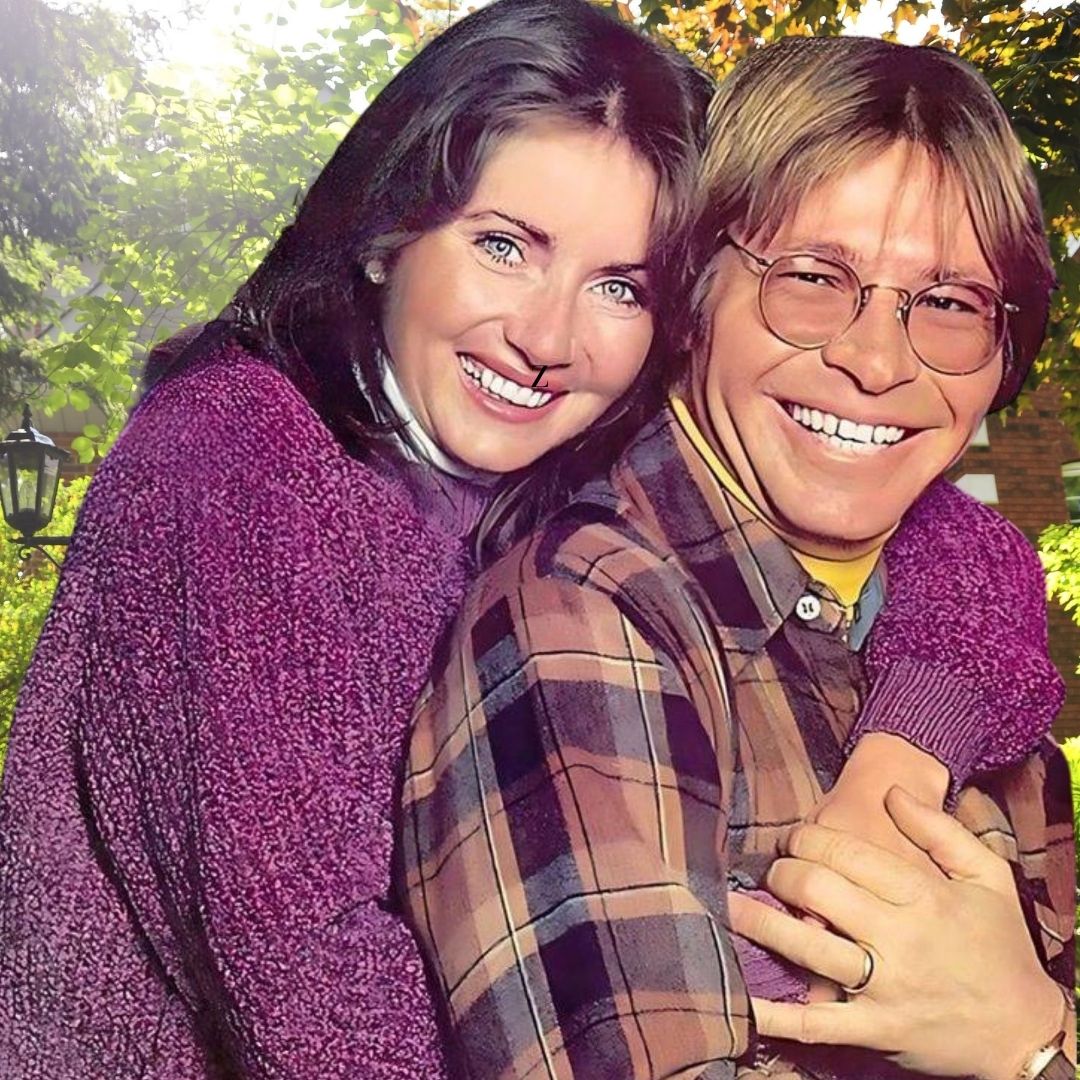
There’s something magical about the way certain songs capture the ache of wanting to escape—a longing that sits in the quiet spaces of our daily routines. I remember hearing “Fly Away” while stuck in traffic during a grey winter morning, and for a moment, it felt like the sky cracked open. The harmonies of John Denver and Olivia Newton-John transported me somewhere warm, wide, and endless. It wasn’t just a song—it was a wish, folded into melody.

About The Composition

  • Title: Fly Away

  • Composer: John Denver

  • Premiere Date: October 1975

  • Album: Windsong

  • Genre: Country/Folk-Pop

Background

“Fly Away” was written and recorded by John Denver in 1975 and featured on his album Windsong. At the time, Denver was one of the most successful and beloved American singer-songwriters, known for his deeply human lyrics and nature-infused optimism. What set this track apart was its duet format—featuring Olivia Newton-John, whose ethereal vocals added a delicate softness to Denver’s rich tenor.

According to the Wikipedia article, the song reached No. 13 on the Billboard Hot 100 and climbed to No. 1 on the Adult Contemporary chart. It resonated deeply with those experiencing urban fatigue, expressing a quiet yearning to leave the hustle of city life behind and rediscover simplicity and peace.

Musical Style

“Fly Away” leans on the signature warmth of Denver’s acoustic folk-pop style. Built around gentle acoustic guitar strumming, layered harmonies, and understated percussion, the song creates a feeling of open skies and reflective solitude. Olivia Newton-John’s harmonies arrive like a breeze—soft and enveloping—creating a dreamlike quality. The melody is simple, almost lullaby-like, emphasizing clarity over complexity, which makes the emotional message all the more powerful.

Denver’s restrained production allows every word and note to breathe. The slight echo on their vocals gives the impression of singing into a vast, open space—mirroring the song’s central theme of escape.

Lyrics/Libretto

The lyrics of “Fly Away” speak to a soul quietly suffocating in the grind of city life. Lines like “All her dreams have gone astray / And she just wants to fly away” tap into a universal desire: to break free from routine and rediscover meaning. There’s no melodrama here—just the quiet sorrow of disconnection, and the hopeful flicker of a better place somewhere far from the chaos.

The repetition of the word “fly” reinforces that dream of release—not just physical, but emotional and spiritual. The city, in this context, becomes a metaphor for emotional confinement, while the idea of “flying away” represents healing.

Performance History

Though “Fly Away” was recorded in the studio, its live renditions—especially those performed by John Denver alone—often carried a more introspective tone. Olivia Newton-John did not regularly perform it live with Denver, but their studio version remains iconic. Denver included the song in many of his concerts, where audiences would often sing along to the chorus, turning it into a shared act of collective yearning.

The song’s Adult Contemporary success and crossover appeal ensured its presence on radio throughout the late 1970s and beyond, often appearing on soft rock and country playlists.

Cultural Impact

“Fly Away” came during a time when many Americans were beginning to question the cost of urban expansion, consumer culture, and fast-paced lifestyles. The 1970s saw a growing interest in back-to-nature ideals, and Denver became a kind of musical spokesperson for that movement. This song, in particular, resonated with a generation craving something slower and more authentic.

Though not as overtly political as some of his other work, “Fly Away” became an anthem for emotional escape and gentle resistance to the pressures of modern life. It has appeared in various nostalgia-driven compilations and remains a staple of soft rock and folk radio.

Legacy

Nearly five decades later, “Fly Away” still feels relevant. Its emotional honesty and simple beauty speak to anyone who has ever stared out a window and dreamed of another life. For John Denver fans, it represents one of the most tender collaborations of his career—and for those discovering it today, it still offers a moment of peace and longing in a noisy world.

Olivia Newton-John’s involvement also adds to its legacy, reminding listeners of the soft power of her voice and the graceful balance between two iconic performers.

Conclusion

“Fly Away” isn’t just a song—it’s a gentle nudge toward reflection, a quiet invitation to listen to that small voice inside that says, There’s more out there. I recommend listening to the original recording on a quiet evening, perhaps while watching the sun dip behind the horizon. It’s not meant to shock or dazzle—it’s meant to soothe, to remind you that even in moments of feeling stuck, there’s always the possibility of flight.

If you’re looking for a pure, heartfelt rendition, start with the studio version from Windsong. Then, dive into some of Denver’s live recordings to feel how the song evolves with just one voice and a guitar. Either way, you’ll find yourself carried—if only for a moment—into the sky.

Video

Lyrics

All of her days have gone soft and cloudy
All of her dreams have gone dry
All of her nights have gone sad and shady
She’s getting ready to fly
Fly away
Fly away
Fly away
Life in the city can make you crazy
The sounds of the sand and the sea (I’m of the sea)
Life in a high-rise can make you hungry
For things that you can’t even see
Fly away
Fly away
Fly away
In this whole world, there’s nobody as lonely as she (nobody as lonely as me)
There’s nowhere to go and there’s nowhere that she’d rather be (I’d rather be)
She’s lookin’ for lovers and children playing
She’s lookin’ for signs of the spring (where is the spring?)
She listens for laughter and sounds of dancin’
She listens for any ol’ thing
Fly away
Fly away
Fly away
(Fly away)
In this whole world, there’s nobody as lonely as she (there’s nobody as lonely as me)
There’s nowhere to go and there’s nowhere that she’d rather be (I’d rather be)
All of her days have gone soft and cloudy
All of her dreams have gone dry (where are my days?)
All of her nights have gone sad and shady
She’s gettin’ ready to fly
Fly away
Fly away
Fly away
Fly away
Where are my days?
Where are my nights?
Where is the springtime?
I wanna fly
I wanna fly
I wanna fly, fly away…

Related Post

“ALMOST HOME” HAD ALREADY FALLEN OFF THE CHART. THEN LISTENERS KEPT CALLING UNTIL COUNTRY RADIO HAD TO PUT IT BACK. Craig Morgan did not come into Nashville like a man chasing a costume. Before the record deal, he had already served in the Army, worked as an EMT, been a sheriff’s deputy, done construction, security, and even Wal-Mart work to support his family. The voice was country, but the life behind it had already been through uniforms, night shifts, and the kind of jobs nobody glamorizes until a song needs them. His first record did not make him a star. Atlantic Nashville closed. The deal was gone. Morgan had to start over with Broken Bow, an independent label still trying to prove it could fight in the same radio world as the majors. Then came “Almost Home.” The song was quiet. A man finds a homeless stranger asleep behind a building and wakes him up, only to hear that the man had been dreaming he was back with his family. No flag waving. No big chorus built for fireworks. Just cold ground, memory, and a line between mercy and loneliness. At first, radio nearly let it die. “Almost Home” peaked low and fell off the chart. For most singles, that would have been the end. Another good song buried before enough people found it. But listeners kept requesting it. The song re-entered the country chart and climbed all the way to No. 6. It also won BMI Song of the Year, giving Morgan the kind of proof a new artist needs when the business has already closed one door in his face. Before “That’s What I Love About Sunday” made him a No. 1 singer, “Almost Home” did something stranger. It came back after country radio had already counted it out.

HE CAME HOME FROM AFGHANISTAN WANTING TO HONOR THE DEAD. THREE MONTHS LATER, “HAVE YOU FORGOTTEN?” WAS TOO BIG FOR COUNTRY RADIO TO IGNORE. Darryl Worley was not built like a Nashville flash act. He came out of Savannah, Tennessee, worked around church, small towns, real people, and the kind of Southern life where patriotism did not need a press release. Before the biggest song of his career, he already had hits. “I Miss My Friend” had gone to No. 1. He had a voice country radio knew. But nothing had prepared him for December 2002. Worley traveled overseas to perform for American troops in Afghanistan and the Middle East. It was his first trip into that world after 9/11. The distance changed the weight of everything. The soldiers were not headlines anymore. The war was not just something debated on television. It had faces, tents, dust, and young men and women standing far from home. He came back needing to write something. With Wynn Varble, he wrote “Have You Forgotten?” — a song built around 9/11, memory, anger, and the feeling that America was already arguing itself away from the wound. Then the song hit the air. Some stations hesitated. Some people heard it as too political, too tied to the coming Iraq War. Others heard exactly what Worley said he meant: a reminder of the people killed and the troops still carrying the cost. The requests came anyway. He debuted it at the Grand Ole Opry in January 2003. By March, the single was moving hard. In April, “Have You Forgotten?” reached No. 1 on the country chart and stayed there for seven weeks. A song born from a trip to the troops had turned into something larger than one singer expected. It asked a question country radio could not dodge.

You Missed

“ALMOST HOME” HAD ALREADY FALLEN OFF THE CHART. THEN LISTENERS KEPT CALLING UNTIL COUNTRY RADIO HAD TO PUT IT BACK. Craig Morgan did not come into Nashville like a man chasing a costume. Before the record deal, he had already served in the Army, worked as an EMT, been a sheriff’s deputy, done construction, security, and even Wal-Mart work to support his family. The voice was country, but the life behind it had already been through uniforms, night shifts, and the kind of jobs nobody glamorizes until a song needs them. His first record did not make him a star. Atlantic Nashville closed. The deal was gone. Morgan had to start over with Broken Bow, an independent label still trying to prove it could fight in the same radio world as the majors. Then came “Almost Home.” The song was quiet. A man finds a homeless stranger asleep behind a building and wakes him up, only to hear that the man had been dreaming he was back with his family. No flag waving. No big chorus built for fireworks. Just cold ground, memory, and a line between mercy and loneliness. At first, radio nearly let it die. “Almost Home” peaked low and fell off the chart. For most singles, that would have been the end. Another good song buried before enough people found it. But listeners kept requesting it. The song re-entered the country chart and climbed all the way to No. 6. It also won BMI Song of the Year, giving Morgan the kind of proof a new artist needs when the business has already closed one door in his face. Before “That’s What I Love About Sunday” made him a No. 1 singer, “Almost Home” did something stranger. It came back after country radio had already counted it out.

HE CAME HOME FROM AFGHANISTAN WANTING TO HONOR THE DEAD. THREE MONTHS LATER, “HAVE YOU FORGOTTEN?” WAS TOO BIG FOR COUNTRY RADIO TO IGNORE. Darryl Worley was not built like a Nashville flash act. He came out of Savannah, Tennessee, worked around church, small towns, real people, and the kind of Southern life where patriotism did not need a press release. Before the biggest song of his career, he already had hits. “I Miss My Friend” had gone to No. 1. He had a voice country radio knew. But nothing had prepared him for December 2002. Worley traveled overseas to perform for American troops in Afghanistan and the Middle East. It was his first trip into that world after 9/11. The distance changed the weight of everything. The soldiers were not headlines anymore. The war was not just something debated on television. It had faces, tents, dust, and young men and women standing far from home. He came back needing to write something. With Wynn Varble, he wrote “Have You Forgotten?” — a song built around 9/11, memory, anger, and the feeling that America was already arguing itself away from the wound. Then the song hit the air. Some stations hesitated. Some people heard it as too political, too tied to the coming Iraq War. Others heard exactly what Worley said he meant: a reminder of the people killed and the troops still carrying the cost. The requests came anyway. He debuted it at the Grand Ole Opry in January 2003. By March, the single was moving hard. In April, “Have You Forgotten?” reached No. 1 on the country chart and stayed there for seven weeks. A song born from a trip to the troops had turned into something larger than one singer expected. It asked a question country radio could not dodge.

THE SONG SOUNDED LIKE A MAN BEGGING FOR LOVE. THEN THE VIDEO TURNED HIM INTO A WHEELCHAIR-BOUND VIETNAM VETERAN TRYING TO COME HOME FROM A WAR THAT WOULDN’T LET HIM SLEEP. “Anymore” could have stayed simple. A heartbreak ballad. A man finally admitting he could not hide what he felt. Radio knew what to do with that. Country fans knew what to do with that. Travis Tritt had already released It’s All About to Change, and the song had enough pain in it to stand on its own. Then the video changed the weight of it. Directed by Jack Cole, it did not treat “Anymore” like just another love song. It opened the door to a character named Mac Singleton — a Vietnam veteran in a wheelchair, haunted by what he had brought back from war. Travis played Mac himself. The story did not start with applause. It started with a man trapped between memory and home. A wife nearby. Another veteran beside him. Nightmares still close enough to wake him. The kind of pain a uniform does not explain once the war is over. The video became the first part of a trilogy. “Tell Me I Was Dreaming” continued it in 1995. “If I Lost You” carried it forward in 1998. Three country videos following the same wounded man and the people around him. “Anymore” went to No. 1. But the stranger part is this: Travis Tritt took a radio ballad and used it to build a small film about veterans before country music videos were expected to carry that kind of weight. The song was about not hiding love anymore. The video was about a man who could not hide the war anymore either.