Hinh website 2024 08 19T110852.622
“Scroll down to the end of the article to listen to music.”

Introduction

When you think of a road trip through the heart of the South, a few key elements come to mind: winding country roads, the warmth of the southern sun, and, of course, the perfect soundtrack. For many, “Dixieland Delight” by Alabama is that quintessential tune, evoking a sense of nostalgia and the simple joys of life. It’s a song that doesn’t just play in the background; it transports you to another place and time, capturing the essence of southern charm and delight.

About The Composition

  • Title: Dixieland Delight
  • Composer: Ronnie Rogers
  • Premiere Date: January 1983
  • Album/Opus/Collection: The Closer You Get… by Alabama
  • Genre: Country

Background

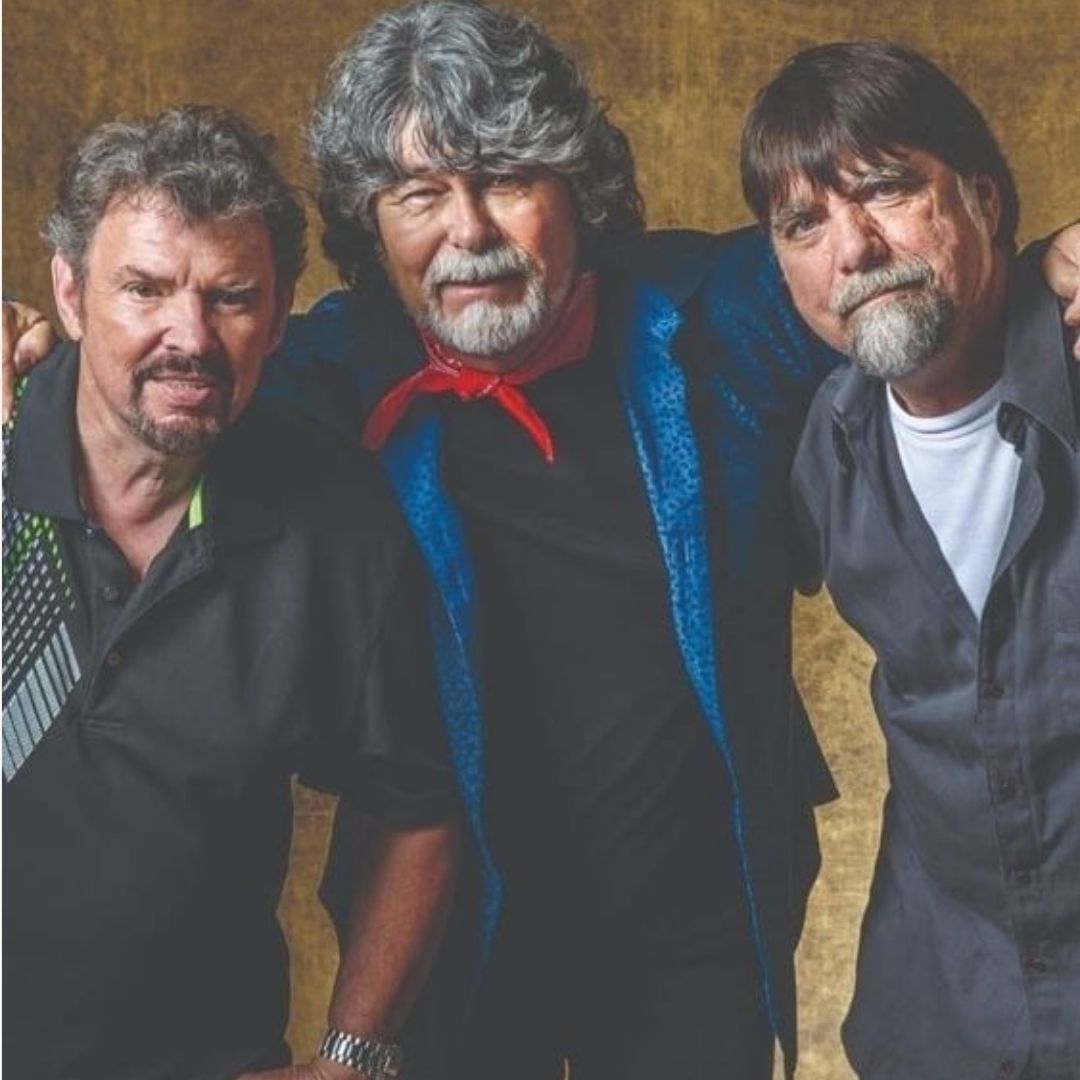
“Dixieland Delight” is more than just a song; it’s a musical portrait of Southern living. Written by Ronnie Rogers and popularized by the band Alabama, this track was released in January 1983 as part of their album The Closer You Get…. The song quickly became a beloved anthem, resonating with listeners for its vivid depiction of a leisurely drive through the countryside. The idea for the song came to Rogers during a drive down Highway 11W in Tennessee, where the picturesque landscapes inspired him to capture that moment of pure contentment in a song.

Initially, “Dixieland Delight” wasn’t just another hit for Alabama; it marked a significant moment in their career. The song reached number one on the Billboard Hot Country Singles chart, solidifying Alabama’s place as one of the leading country bands of the time. It was received with open arms by both critics and fans alike, praised for its catchy melody and relatable lyrics.

Musical Style

Musically, “Dixieland Delight” is a perfect blend of traditional country elements with a modern twist. The song features a gentle yet infectious rhythm, driven by acoustic guitars, subtle drums, and a melodic bass line. It has a laid-back groove that mirrors the leisurely drive described in the lyrics, creating a sense of calm and happiness. The chorus is where the song truly shines, with harmonious vocals that are both uplifting and heartwarming, embodying the spirit of Southern hospitality.

The structure of the song is straightforward but effective, with verses that build up to a chorus that sticks with you long after the song ends. The instrumentation is kept simple, allowing the lyrics and melody to take center stage, making it easy for listeners to sing along—a key feature in its lasting popularity.

Lyrics

The lyrics of “Dixieland Delight” paint a picture of an idyllic drive through the Southern countryside, with references to moonlit fields, winding roads, and the simple pleasures of life. It’s a love song at its core, not just to a romantic partner but to the South itself. The lyrics resonate with anyone who has experienced the quiet beauty of rural life, making it a timeless piece that connects with listeners on a personal level.

Performance History

“Dixieland Delight” has been a staple in Alabama’s live performances since its release. Over the years, it has become a fan favorite, with audiences eagerly joining in on the chorus. The song’s popularity extends beyond the band’s concerts; it’s a common feature at sporting events, particularly in the South, where it has taken on anthemic qualities. The song’s enduring appeal is a testament to its universal themes of love, nature, and Southern pride.

Cultural Impact

The cultural impact of “Dixieland Delight” goes beyond the music charts. It has been embraced by generations of fans, becoming synonymous with Southern culture. The song is frequently covered by other artists, and its melody has been adapted for use in various media, from commercials to sports events. Its influence is particularly strong in college sports, where it’s often played during games to rally the crowd, creating a sense of unity and shared identity among fans.

Legacy

The legacy of “Dixieland Delight” is one of enduring love and appreciation. It remains a beloved classic, not just for Alabama fans but for anyone who appreciates the beauty of country music. The song’s simple yet profound message continues to resonate, making it a staple in the genre. It’s a piece that has stood the test of time, proving that sometimes, the most straightforward songs can have the most significant impact.

Conclusion

“Dixieland Delight” is more than just a song; it’s a celebration of life’s simple pleasures. Whether you’re a long-time fan or new to Alabama’s music, this track offers a timeless reminder to slow down, take in the beauty around you, and find joy in the small things. So the next time you’re on a long drive, let “Dixieland Delight” be your soundtrack—it’s sure to make the journey even more memorable

Video

Lyrics

Rolling down a backwoods Tennessee byway
One arm on the wheel
Holding my lover with the other
A sweet soft southern thrill
Worked hard all week
Got a little jingle
On a Tennessee Saturday night
Couldn’t feel better
I’m together with my dixieland delight
Spend my dollar
Parked in a holler ‘neath the mountain moonlight
Holdin’ her up tight
Make a little lovin’
A little turtle dovin’ on a Mason Dixon night
It’s my life
Oh so right
My dixieland delight
Whitetail buck deer munchin’ on clover
Red-tailed hawk sitting on a limb
Chubby ol’ groundhog
Croakin’ bullfrog
Free as a feeling in the wind
Home grown country girl
Gonna give me a whirl
On a Tennessee Saturday night
Lucky as a seven
Livin’ in Heaven
With my dixieland delight
Spend my dollar
Parked in a holler ‘neath the mountain moonlight
Holdin’ her up tight
Make a little lovin’
A little turtle dovin’ on a Mason Dixon night
It’s my life
Oh, so right
My dixieland delight
Spend my dollar
Parked in a holler ‘neath the mountain moonlight
Holdin’ her up tight
Make a little lovin’
A little turtle dovin’ on a Mason Dixon night
It’s my life
Oh, so right
My dixieland delight
Rolling down a backwoods Tennessee byway
One arm on the wheel

Related Post

THE BAND LEFT FORT PAYNE TO BECOME LEGENDS. THEN JUNE JAM BROUGHT THE LEGEND BACK HOME, ONE BENEFIT CHECK AT A TIME. Fort Payne was not just a hometown line in Alabama’s story. It was the ground under the whole thing. Randy Owen, Teddy Gentry, and Jeff Cook carried that place with them before the buses, before the awards, before country radio turned their harmonies into part of American life. They came out of northeast Alabama with family ties, small-town memories, and a name that made it impossible to pretend they belonged to anywhere else. Then the world opened. “The Bowery” years made them tough. RCA made them national. “Tennessee River,” “Mountain Music,” “Feels So Right,” “Old Flame,” “Dixieland Delight,” and the rest turned Alabama into something bigger than a band from Fort Payne. They became one of the defining country acts of the 1980s, the kind of group that could have left home behind and only returned when nostalgia needed a backdrop. They did not do that. In 1982, Alabama started June Jam in Fort Payne. It was not just a concert. It became a homecoming, a benefit, and a statement. Fans came to the band’s own town. Country stars showed up. The money went back into causes that mattered. For years, June Jam made Fort Payne feel like the center of country music for one summer day. The same band that had once left town chasing a stage was now using the stage to bring people back. The music did what fame is supposed to do when it remembers where it came from — it turned attention into help. June Jam ran year after year, drawing huge crowds and raising millions for charity. Then it stopped after 1997. Time moved. The band aged. The old full lineup changed. Jeff Cook got sick, then passed away in 2022 after years with Parkinson’s disease. For a while, June Jam looked like one more beautiful thing that belonged to the past. Then Randy Owen and Teddy Gentry brought it back. In 2023, after a 26-year break, June Jam returned to Fort Payne. It was not the same as the old days. It could not be. Jeff was gone. The years had taken too much for any reunion to feel untouched. But the purpose was still there. Randy said he hoped Fort Payne would keep June Jam going even after he and Teddy were gone. That made the whole thing feel less like a comeback show and more like a handoff. Alabama had already given the town a name people knew. Now they were trying to leave it a tradition.

HE HAD ONE OF THE SADDEST VOICES IN COUNTRY MUSIC. THEN, ON HIS OWN BIRTHDAY, MEL STREET BECAME THE KIND OF SONG NOBODY WANTED TO SING. Mel Street did not arrive in Nashville looking like a polished star. He came out of the mountains near Grundy, Virginia, and worked his way through radio shows, nightclubs, odd jobs, and small rooms before country music ever gave him a real opening. He had the kind of voice that already sounded hurt before the lyric did anything. Deep. Heavy. Honest in a way that made cheating songs feel less like scandal and more like confession. Then came “Borrowed Angel.” Street had written and recorded it before the big machine fully noticed him, but when the song finally reached a wider country audience in 1972, it gave him the door. The story was simple and dangerous — loving someone who belonged to somebody else. But Mel did not sing it like a man bragging about sin. He sang it like a man already paying for it. Country radio understood that voice. More hits followed. “Lovin’ On Back Streets.” “Smokey Mountain Memories.” “If I Had a Cheating Heart.” By the middle of the 1970s, Mel Street looked like one of those singers who might carry real country into the next decade. He was not flashy. He did not need to be. The pain did the work. But the road was taking pieces out of him. Behind the records, Street was fighting depression, alcohol, loneliness, and the kind of pressure that does not show up on a chart. The songs kept moving, but the man singing them was getting harder to hold together. Fans heard heartbreak coming through the speakers. They did not always know how close that heartbreak was to the bone. On October 21, 1978, Mel Street died on his birthday. That same date made the story feel almost too cruel to believe. A country singer who had built his name on wounded songs was gone before he ever got to become an old legend. He left behind records that sounded even heavier after people knew how the story ended. Then came one more scene. George Jones — Mel’s idol, the man whose voice already stood like a mountain over heartbreak country — sang at his funeral. Not on a stage. Not for applause. At a goodbye. Mel Street never became as famous as the sadness in his voice deserved. But anyone who hears “Borrowed Angel” understands why the old country people still talk about him like a wound that never quite closed.

THEY WERE NOT BUILT IN NASHVILLE. THEY WERE BUILT SIX NIGHTS A WEEK IN A MYRTLE BEACH BAR, PLAYING FOR TIPS UNTIL THE HARMONIES GOT TOO BIG TO IGNORE. Before Alabama became Alabama, they were three boys from Fort Payne trying to make a living with songs. Randy Owen, Teddy Gentry, and Jeff Cook were not walking into Nashville as polished strangers with a label plan behind them. They were cousins from Alabama with day jobs behind them, family roots under them, and a sound that still had more backroad in it than Music Row shine. In 1973, they left home for Myrtle Beach, South Carolina. The place that changed them was The Bowery. It was not glamorous. It was a beach bar with noise, smoke, tourists, locals, watered-down drinks, and people who did not care how much promise a band had unless the next song kept the room alive. Alabama — still carrying the earlier Wildcountry name before the final name settled — played there night after night. Six nights a week. For tips. For practice. For survival. That kind of schedule either breaks a band or makes one. They learned how to read a crowd before the first chorus was over. They learned how to turn family blood into a sound tight enough that people could feel it before they knew the names. While Nashville was still sorting country music into safe lanes, these boys were building something stranger and stronger — country with Southern rock muscle, pop hooks, and a hometown feeling that did not sound borrowed. For years, The Bowery was their school. Then the road started to open. The name changed to Alabama. Mark Herndon eventually joined on drums. The band that had survived tip jars and beach crowds began pushing toward radio. By the early 1980s, the same harmonies that had been tested in a bar were suddenly coming through speakers across America. “Tennessee River.” “Why Lady Why.” “Old Flame.” “Feels So Right.” “Mountain Music.” One hit turned into another, then another, then a run so big that country music had to adjust around them. They were not just a vocal group. They became proof that a band — a real band with its own identity, its own sound, its own road scars — could dominate a format that had often been built around solo stars. The Bowery did not give Alabama fame. By the time Nashville finally caught up, those harmonies had already been tested by smoke, tourists, tip jars, and six-night weeks. The office did not build Alabama. The bar did.

You Missed

THE BAND LEFT FORT PAYNE TO BECOME LEGENDS. THEN JUNE JAM BROUGHT THE LEGEND BACK HOME, ONE BENEFIT CHECK AT A TIME. Fort Payne was not just a hometown line in Alabama’s story. It was the ground under the whole thing. Randy Owen, Teddy Gentry, and Jeff Cook carried that place with them before the buses, before the awards, before country radio turned their harmonies into part of American life. They came out of northeast Alabama with family ties, small-town memories, and a name that made it impossible to pretend they belonged to anywhere else. Then the world opened. “The Bowery” years made them tough. RCA made them national. “Tennessee River,” “Mountain Music,” “Feels So Right,” “Old Flame,” “Dixieland Delight,” and the rest turned Alabama into something bigger than a band from Fort Payne. They became one of the defining country acts of the 1980s, the kind of group that could have left home behind and only returned when nostalgia needed a backdrop. They did not do that. In 1982, Alabama started June Jam in Fort Payne. It was not just a concert. It became a homecoming, a benefit, and a statement. Fans came to the band’s own town. Country stars showed up. The money went back into causes that mattered. For years, June Jam made Fort Payne feel like the center of country music for one summer day. The same band that had once left town chasing a stage was now using the stage to bring people back. The music did what fame is supposed to do when it remembers where it came from — it turned attention into help. June Jam ran year after year, drawing huge crowds and raising millions for charity. Then it stopped after 1997. Time moved. The band aged. The old full lineup changed. Jeff Cook got sick, then passed away in 2022 after years with Parkinson’s disease. For a while, June Jam looked like one more beautiful thing that belonged to the past. Then Randy Owen and Teddy Gentry brought it back. In 2023, after a 26-year break, June Jam returned to Fort Payne. It was not the same as the old days. It could not be. Jeff was gone. The years had taken too much for any reunion to feel untouched. But the purpose was still there. Randy said he hoped Fort Payne would keep June Jam going even after he and Teddy were gone. That made the whole thing feel less like a comeback show and more like a handoff. Alabama had already given the town a name people knew. Now they were trying to leave it a tradition.

HE HAD ONE OF THE SADDEST VOICES IN COUNTRY MUSIC. THEN, ON HIS OWN BIRTHDAY, MEL STREET BECAME THE KIND OF SONG NOBODY WANTED TO SING. Mel Street did not arrive in Nashville looking like a polished star. He came out of the mountains near Grundy, Virginia, and worked his way through radio shows, nightclubs, odd jobs, and small rooms before country music ever gave him a real opening. He had the kind of voice that already sounded hurt before the lyric did anything. Deep. Heavy. Honest in a way that made cheating songs feel less like scandal and more like confession. Then came “Borrowed Angel.” Street had written and recorded it before the big machine fully noticed him, but when the song finally reached a wider country audience in 1972, it gave him the door. The story was simple and dangerous — loving someone who belonged to somebody else. But Mel did not sing it like a man bragging about sin. He sang it like a man already paying for it. Country radio understood that voice. More hits followed. “Lovin’ On Back Streets.” “Smokey Mountain Memories.” “If I Had a Cheating Heart.” By the middle of the 1970s, Mel Street looked like one of those singers who might carry real country into the next decade. He was not flashy. He did not need to be. The pain did the work. But the road was taking pieces out of him. Behind the records, Street was fighting depression, alcohol, loneliness, and the kind of pressure that does not show up on a chart. The songs kept moving, but the man singing them was getting harder to hold together. Fans heard heartbreak coming through the speakers. They did not always know how close that heartbreak was to the bone. On October 21, 1978, Mel Street died on his birthday. That same date made the story feel almost too cruel to believe. A country singer who had built his name on wounded songs was gone before he ever got to become an old legend. He left behind records that sounded even heavier after people knew how the story ended. Then came one more scene. George Jones — Mel’s idol, the man whose voice already stood like a mountain over heartbreak country — sang at his funeral. Not on a stage. Not for applause. At a goodbye. Mel Street never became as famous as the sadness in his voice deserved. But anyone who hears “Borrowed Angel” understands why the old country people still talk about him like a wound that never quite closed.

THEY WERE NOT BUILT IN NASHVILLE. THEY WERE BUILT SIX NIGHTS A WEEK IN A MYRTLE BEACH BAR, PLAYING FOR TIPS UNTIL THE HARMONIES GOT TOO BIG TO IGNORE. Before Alabama became Alabama, they were three boys from Fort Payne trying to make a living with songs. Randy Owen, Teddy Gentry, and Jeff Cook were not walking into Nashville as polished strangers with a label plan behind them. They were cousins from Alabama with day jobs behind them, family roots under them, and a sound that still had more backroad in it than Music Row shine. In 1973, they left home for Myrtle Beach, South Carolina. The place that changed them was The Bowery. It was not glamorous. It was a beach bar with noise, smoke, tourists, locals, watered-down drinks, and people who did not care how much promise a band had unless the next song kept the room alive. Alabama — still carrying the earlier Wildcountry name before the final name settled — played there night after night. Six nights a week. For tips. For practice. For survival. That kind of schedule either breaks a band or makes one. They learned how to read a crowd before the first chorus was over. They learned how to turn family blood into a sound tight enough that people could feel it before they knew the names. While Nashville was still sorting country music into safe lanes, these boys were building something stranger and stronger — country with Southern rock muscle, pop hooks, and a hometown feeling that did not sound borrowed. For years, The Bowery was their school. Then the road started to open. The name changed to Alabama. Mark Herndon eventually joined on drums. The band that had survived tip jars and beach crowds began pushing toward radio. By the early 1980s, the same harmonies that had been tested in a bar were suddenly coming through speakers across America. “Tennessee River.” “Why Lady Why.” “Old Flame.” “Feels So Right.” “Mountain Music.” One hit turned into another, then another, then a run so big that country music had to adjust around them. They were not just a vocal group. They became proof that a band — a real band with its own identity, its own sound, its own road scars — could dominate a format that had often been built around solo stars. The Bowery did not give Alabama fame. By the time Nashville finally caught up, those harmonies had already been tested by smoke, tourists, tip jars, and six-night weeks. The office did not build Alabama. The bar did.

FOR YEARS, FANS THOUGHT HE WAS ONE OF ALABAMA. THE BUSINESS PAPERS SAID OTHERWISE. THEN, AFTER MORE THAN 20 YEARS AWAY, MARK HERNDON WALKED BACK TO THE DRUM KIT. Mark Herndon was not there at the very beginning in Fort Payne. That part belonged to Randy Owen, Teddy Gentry, and Jeff Cook — cousins, blood, family, the core that carried Alabama out of northeast Alabama and into the long nights at The Bowery in Myrtle Beach. They were already a unit before the big machine found them. They had already played for tips, beer, and survival before country radio learned their name. Then Mark came in behind the drums. To the crowd, he looked like Alabama. He played the concerts. He appeared on award shows. He stood in the photos. He was there while “Tennessee River,” “Mountain Music,” “Feels So Right,” “Dixieland Delight,” and the rest of that impossible run turned a working band into one of the biggest country groups in history. Night after night, his drums sat under the harmonies that fans thought of as home. But bands are not only music. They are also contracts, names, ownership, old promises, and things nobody in the audience can see from the seats. For years, many fans believed Mark Herndon was an equal member of Alabama. Behind the curtain, it was more complicated. Randy, Teddy, and Jeff had been the original business unit. Mark played with them, traveled with them, helped carry the sound, and was part of what people remembered — but the paper side of the band did not match the emotional side fans had built in their heads. After Alabama’s 2004 farewell tour, the distance became real. There were tensions. Legal fights. Years passed. Alabama returned to stages, but Mark was not behind the drums. Jeff Cook’s health declined. Parkinson’s slowly pulled him away from full touring. Then Jeff died in 2022, and the old band became something no reunion could fully repair. Then came Huntsville. More than two decades after his last performance with Alabama, Mark Herndon showed up at the Orion Amphitheater. For most of the night, he stayed out of sight, watching from the side while Randy Owen and Teddy Gentry carried the songs forward without Jeff. Then the encore came. The band moved into “Mountain Music,” and Mark Herndon was back behind the kit. The crew knew what was happening before the crowd fully caught it. The old pictures flashed behind them. The beat came in like it had been waiting 40 years for that room. When the song ended, Mark walked to the front with Randy and Teddy. They put their arms around each other and bowed. For one night, the contracts did not get the last word. The music did.