Hinh website 2024 09 16T205223.696
“Scroll down to the end of the article to listen to music.”

Introduction

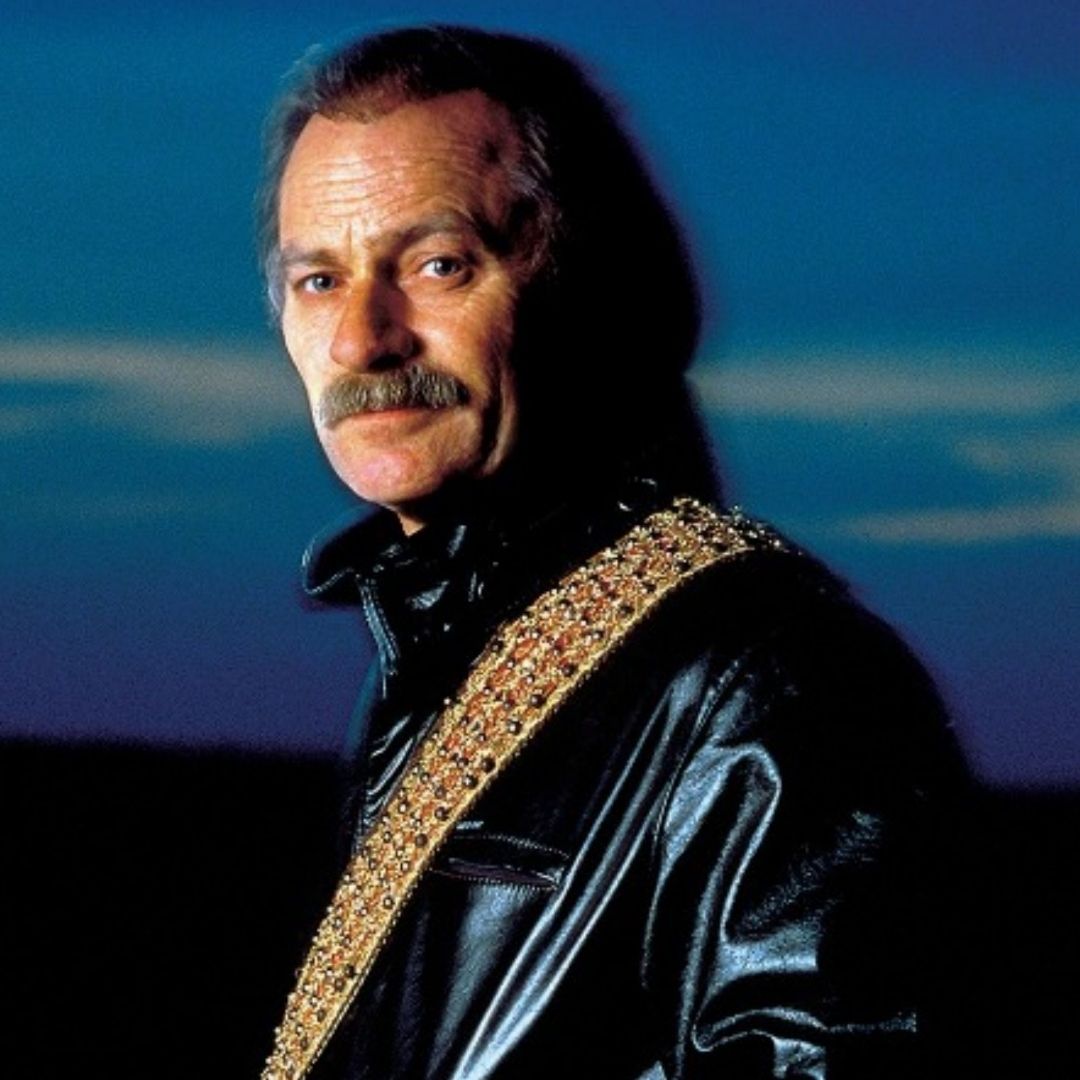
We’ve all been there – that point in a relationship where words fail, but emotions scream for resolution. “That Just About Does It” by Vern Gosdin hits like a wave of melancholy and finality. It’s that moment when you’re done fighting, and instead of anger, you’re left with a quiet resignation. For anyone who’s felt the weight of love slipping through their fingers, this song brings a reflective stillness, reminding us that sometimes, the hardest part is simply accepting that it’s over.

About The Composition

  • Title: That Just About Does It
  • Composer: Vern Gosdin
  • Premiere Date: 1989
  • Album: Alone
  • Genre: Country

Background

Released in 1989 as part of Vern Gosdin’s Alone album, “That Just About Does It” exemplifies the kind of heart-wrenching country ballad that Gosdin was known for. The song delves deep into the emotional wreckage left in the wake of a relationship’s breakdown. Gosdin, often called “The Voice,” was renowned for his ability to convey profound emotion through his rich baritone, and this song became one of his signature pieces. The tune resonated with listeners for its honesty and vulnerability, quickly climbing the charts and solidifying its place in country music history. The raw emotionality of the lyrics captured the pain of countless broken hearts, making it a timeless anthem for those navigating the end of love.

Musical Style

Musically, “That Just About Does It” is simple yet effective. The song is driven by a slow tempo and a traditional country arrangement, with soft acoustic guitar, steel guitar, and a gentle rhythm section. The use of pedal steel adds an aching quality, underscoring the sorrowful tone of the song. The structure is straightforward, focusing on letting Gosdin’s vocal performance carry the weight of the narrative. His voice, deep and resonant, delivers each line with an emotional gravitas that cuts through, leaving a lasting impact on the listener.

Lyrics Analysis

The lyrics of “That Just About Does It” revolve around a man who has reached the end of his emotional tether in a relationship. The repetition of “That just about does it, don’t it?” throughout the song drives home the theme of finality. The protagonist is done with the back-and-forth of trying to make things work, yet there’s no dramatic outburst – only a quiet, weary acceptance. The simplicity of the language reflects the exhaustion that comes with heartbreak, making it universally relatable to anyone who’s tried and failed to hold onto a fading love.

Performance History

Since its release, “That Just About Does It” has been performed by Gosdin in various venues, cementing its status as one of his most recognizable hits. It became a staple in his live performances, often met with strong audience reactions due to its emotional depth. Over time, it has been covered by several artists, showing its continued relevance and impact on country music. Its chart success – reaching number four on the Billboard Hot Country Singles & Tracks chart – reflects its popularity at the time of release.

Cultural Impact

Beyond its success on the charts, “That Just About Does It” has permeated country music culture as a definitive breakup ballad. It’s the kind of song that plays in the background of countless tearful goodbyes, both on and off-screen. While it hasn’t been used widely in other media, its influence is felt in the genre, inspiring artists to tackle themes of closure and resignation in similar ways. Gosdin’s performance of the song remains a masterclass in how to convey sorrow and acceptance through music.

Legacy

More than three decades after its release, “That Just About Does It” remains a beloved song in the country music canon. Vern Gosdin’s legacy as “The Voice” continues to resonate through tracks like this, with fans and newer generations discovering the haunting beauty of his music. It’s a song that, much like the end of a relationship, doesn’t lose its emotional sting with time. Instead, it grows deeper, making it a song that will continue to speak to audiences for years to come.

Conclusion

In the end, “That Just About Does It” captures the quiet devastation of a love that’s reached its end. It’s not a song of anger or bitterness, but of acceptance – a reminder that sometimes, the hardest part of love is knowing when to let go. If you’ve never heard Vern Gosdin’s unforgettable delivery of this track, I recommend giving it a listen. It’s the kind of song that lingers long after the final note, offering solace to anyone who’s ever had to say goodbye

Video

Lyrics

Every night you go to bed crying
There’s nothing left to do when love is dying
So before the whole world knows, how we’re hurting
Don’t you think it’s time we pull the curtains’
So many times, I talked you out of leaving
And so many times you’ve tried to fight the feeling
I guess we’ve tried and failed once too often
Now the suitcase down the hallway does the talking
That just about does it, don’t it
That’ll just about kill it, won’t it
Maybe we should call a truce
We could but what’s the use
That just about does it, don’t it
It’s sad to think that words could come between us
And what I said, God knows I didn’t mean it
It’s time we realize this time it’s over
It’s tearing us apart to stay together
And that just about does it, don’t it
That’ll just about kill it, won’t it
Maybe we should call a truce
We could, but what’s the use
That just about does it, don’t it
Maybe we should call a truce
We could, but what’s the use
That just about does it, don’t it, don’t it

Related Post

BEFORE TOBY KEITH WROTE THE ANGRIEST SONG OF HIS LIFE, THERE WAS HIS FATHER’S MISSING EYE — AND A FLAG THAT NEVER CAME DOWN FROM THE YARD. H.K. Covel was not famous. He was not the man onstage. He was the kind of Oklahoma father who carried his patriotism quietly, in the way he stood, the way he worked, the way the flag outside his home was never treated like decoration. He had paid for that flag with part of his body. In the Korean War, Toby Keith’s father lost an eye while serving his country. He came home changed, but not emptied. He raised his family with that same stubborn belief that America was not perfect, but it was worth standing for. Then, in March 2001, H.K. Covel was killed in a car accident. Toby was already a star by then, but grief made him a son again. He kept thinking about his father. About the missing eye. About the flag in the yard. About all the things a hard man teaches without ever sitting down to explain them. Six months later, the towers fell. America heard the explosion. Toby heard something older. He heard his father. That is where “Courtesy of the Red, White and Blue” came from — not just from rage, not just from television footage, not just from a country stunned by smoke and sirens. It came from a son who had already buried the man who taught him what that flag meant. People argued about the song. Some called it too angry. Some called it exactly what the moment needed. And maybe that is why Toby never sang it like a slogan. He sang it like a son who had watched the symbol become personal before the whole world did.

AFTER 54 YEARS TOGETHER, GEORGE STRAIT LOOKED TOWARD NORMA — AND THE ROOM UNDERSTOOD THE SONG WAS BIGGER THAN THE STAGE. George Strait stepped into the spotlight, the warm lights falling across the shoulders of a man who had spent more than half a century singing to the world. But this time, the story was not in the cameras. It was in the front row. Norma, the girl he married when they were still young in Texas, sat quietly with the kind of expression only a lifetime can create. She had known George before the hat, before the arenas, before people called him the King of Country. She had also stood with him through the part fans rarely talk about — the loss of their daughter Jenifer in 1986, a grief George has always kept guarded. The audience waited for the familiar smile. The easy nod. The song they had come to hear. Instead, there was a pause. Not staged. Not dramatic. Just long enough for the room to feel the weight of what had followed him into every love song: the marriage, the miles, the private grief, the woman who stayed through all of it. George did not need to say much. A few soft words toward Norma, a lowered head, a voice not quite as steady as usual — that was enough for the room to understand. For decades, fans had sung his love songs like they belonged to everyone. That night, they felt where many of them had been pointing all along. To Norma. To the life behind the lyrics. To the woman who heard the quiet parts long before the crowd ever did.

You Missed

BEFORE TOBY KEITH WROTE THE ANGRIEST SONG OF HIS LIFE, THERE WAS HIS FATHER’S MISSING EYE — AND A FLAG THAT NEVER CAME DOWN FROM THE YARD. H.K. Covel was not famous. He was not the man onstage. He was the kind of Oklahoma father who carried his patriotism quietly, in the way he stood, the way he worked, the way the flag outside his home was never treated like decoration. He had paid for that flag with part of his body. In the Korean War, Toby Keith’s father lost an eye while serving his country. He came home changed, but not emptied. He raised his family with that same stubborn belief that America was not perfect, but it was worth standing for. Then, in March 2001, H.K. Covel was killed in a car accident. Toby was already a star by then, but grief made him a son again. He kept thinking about his father. About the missing eye. About the flag in the yard. About all the things a hard man teaches without ever sitting down to explain them. Six months later, the towers fell. America heard the explosion. Toby heard something older. He heard his father. That is where “Courtesy of the Red, White and Blue” came from — not just from rage, not just from television footage, not just from a country stunned by smoke and sirens. It came from a son who had already buried the man who taught him what that flag meant. People argued about the song. Some called it too angry. Some called it exactly what the moment needed. And maybe that is why Toby never sang it like a slogan. He sang it like a son who had watched the symbol become personal before the whole world did.

AFTER 54 YEARS TOGETHER, GEORGE STRAIT LOOKED TOWARD NORMA — AND THE ROOM UNDERSTOOD THE SONG WAS BIGGER THAN THE STAGE. George Strait stepped into the spotlight, the warm lights falling across the shoulders of a man who had spent more than half a century singing to the world. But this time, the story was not in the cameras. It was in the front row. Norma, the girl he married when they were still young in Texas, sat quietly with the kind of expression only a lifetime can create. She had known George before the hat, before the arenas, before people called him the King of Country. She had also stood with him through the part fans rarely talk about — the loss of their daughter Jenifer in 1986, a grief George has always kept guarded. The audience waited for the familiar smile. The easy nod. The song they had come to hear. Instead, there was a pause. Not staged. Not dramatic. Just long enough for the room to feel the weight of what had followed him into every love song: the marriage, the miles, the private grief, the woman who stayed through all of it. George did not need to say much. A few soft words toward Norma, a lowered head, a voice not quite as steady as usual — that was enough for the room to understand. For decades, fans had sung his love songs like they belonged to everyone. That night, they felt where many of them had been pointing all along. To Norma. To the life behind the lyrics. To the woman who heard the quiet parts long before the crowd ever did.