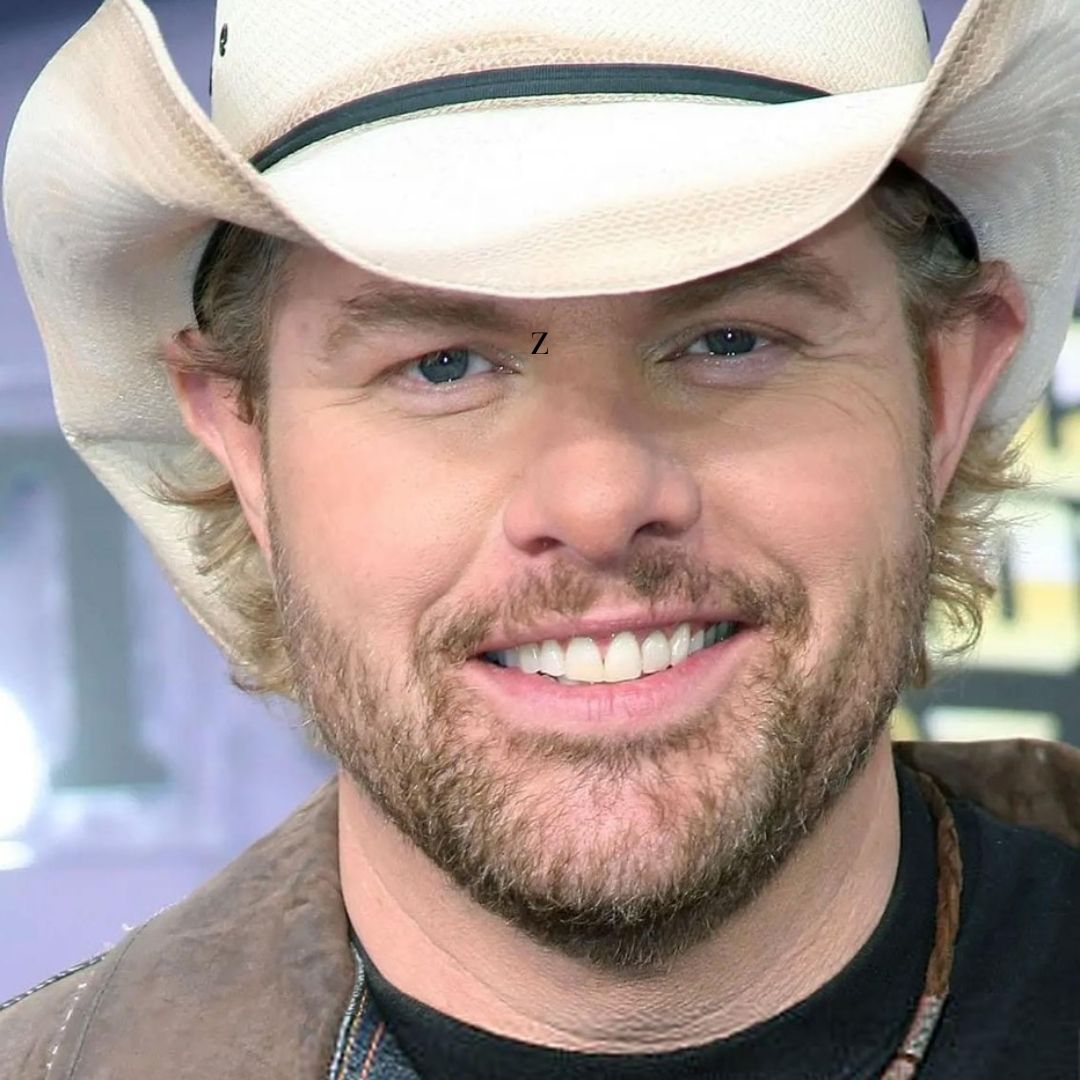
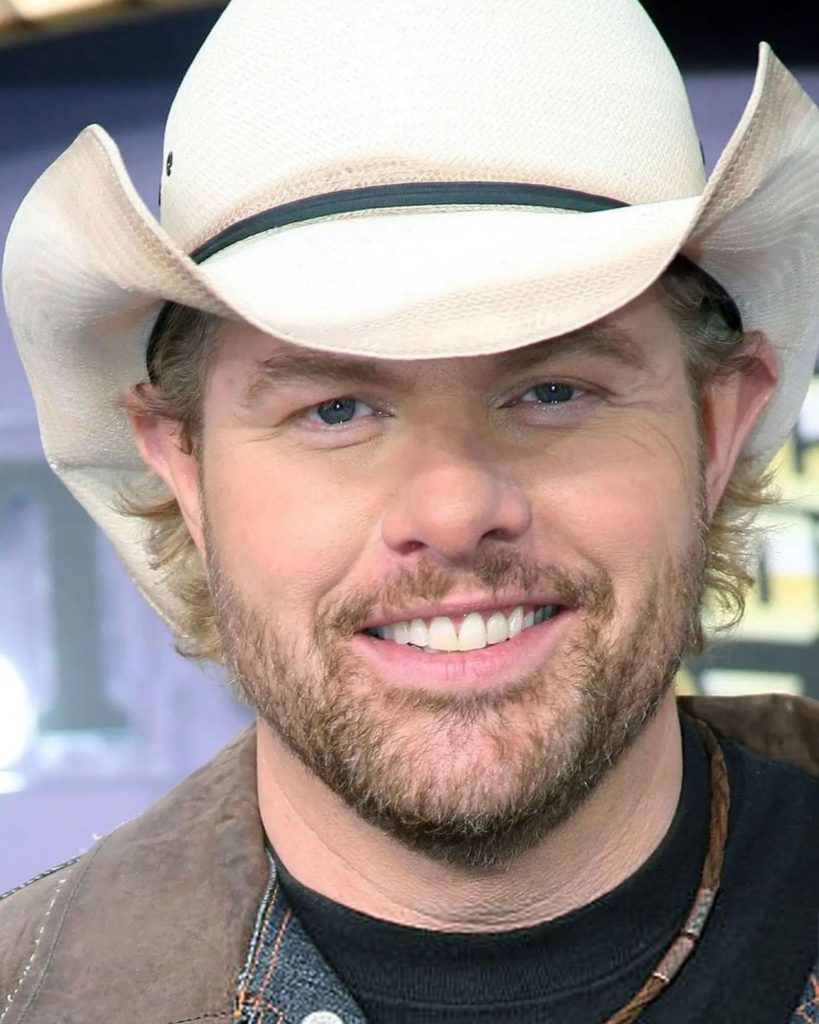
Hinh website 2025 06 21T110610.790
“Scroll down to the end of the article to listen to music.”

Introduction

There’s something about walking into a local bar after a long day—boots dusty, heart a little heavy, but spirits willing. It’s not about the beer. It’s about the people. The stories. The space that doesn’t care what you wear, where you come from, or what you’ve done. I remember sitting in a roadside tavern just outside Tulsa once, where a grizzled man in a Garth Brooks cap bought me a beer for no reason other than I “looked like I needed it.” That moment stayed with me. And it came back in full color the first time I heard “I Love This Bar.”

About the Composition

  • Title: I Love This Bar

  • Composer: Toby Keith and Scotty Emerick

  • Premiere Date: August 2003

  • Album: Shock’n Y’All

  • Genre: Country

Background

I Love This Bar was released as the lead single from Toby Keith’s 2003 album Shock’n Y’All and quickly became one of his signature hits. Co-written with longtime collaborator Scotty Emerick, the song captures the unfiltered spirit of small-town bars that serve as community centers for blue-collar America.

Coming off the heels of Keith’s post-9/11 patriotic anthems like Courtesy of the Red, White and Blue, this song marked a shift toward something more personal and nostalgic. While less political, it was no less powerful—speaking not to national identity, but to local belonging.

The track became so iconic that it eventually inspired a chain of restaurants called Toby Keith’s I Love This Bar & Grill, turning the music into a lifestyle brand.

Musical Style

Musically, I Love This Bar is laid-back and mid-tempo, built around a gentle electric guitar groove, steel guitar accents, and a relaxed drum rhythm. There’s no rush in the arrangement—just enough sway to make you feel like you’re leaning back in a wooden chair with a cold one.

The simplicity of the composition mirrors the theme of the song: familiarity and comfort. There’s no vocal acrobatics here; Keith delivers the lyrics like he’s chatting with an old friend, keeping things conversational, grounded, and honest.

Lyrics / Libretto

The lyrics paint a vivid portrait of a local bar filled with “winners, losers, chain smokers, and boozers.” It’s a song of inclusion—where contradictions don’t clash but co-exist. The bar isn’t perfect, and neither are its patrons, but that’s exactly the point.

Each verse unfolds like a roll call of personalities: cowboys, truckers, hookers, bikers, and yuppies. But Keith’s message is clear—every one of them belongs. In an increasingly divided world, I Love This Bar offers a reminder that sometimes, the only thing you need to connect is a shared space and a willingness to be human together.

Performance History

The song debuted to critical and commercial success, peaking at #1 on the Billboard Hot Country Songs chart and holding that spot for five consecutive weeks. It became one of Toby Keith’s biggest radio hits and a fan favorite at his concerts. Its staying power was evident when he performed it at major events, including award shows and stadium tours.

The song’s warm reception even led to Keith launching the restaurant franchise named after the song—a rare crossover of music into physical cultural space.

Cultural Impact

Beyond the airwaves, I Love This Bar became part of America’s country music lexicon. It’s not just a song; it’s an anthem for every regular who’s ever found solace at the end of a bar. The phrase itself—“I love this bar”—became a cultural shorthand for comfort zones, and even a punchline in sitcoms and sketches.

Its influence lives on in the bars that adopted the name, the fans who belt it out during karaoke nights, and the countless people who see a reflection of their own watering holes in its lyrics.

Legacy

More than two decades after its release, I Love This Bar remains timeless. It’s still played on country radio, still shouted by crowds in arenas, and still serves as a soundtrack for Friday nights across small towns in America. It stands as a testament to Keith’s songwriting brilliance—his ability to make something ordinary feel unforgettable.

Especially now, in a world that’s constantly changing, the idea of a place where everyone’s welcome hits deeper than ever.

Conclusion

I Love This Bar isn’t just a country song—it’s a love letter to the everyday places that stitch communities together. It reminds us that while life may never be perfect, there’s always a stool open for us somewhere, a song on the jukebox, and a cold drink waiting.

If you’ve never really listened beyond the surface, I’d encourage you to sit down with this track and let it play without distraction. Better yet, find a local bar with a jukebox and hear it there—where it was always meant to be heard.

Video

Lyrics

We got winners
We got losers
Chain-smokers and boozers
We got yuppies
We got bikers
We got thirsty hitchhikers
And the girls next door dress up like movie stars
Hmmm, hmmm, hmmm, hmmm, hmmm, I love this bar
We got cowboys
We got truckers
Broken-hearted fools and suckers
And we got hustlers
We got fighters
Early-birds and all-nighters
And the veterans talk about their battle scars
Hmmm, hmmm, hmmm, hmmm, hmmm, I love this bar
I love this bar
It’s my kind of place
Just walkin’ through the front door
Puts a big smile on my face
It ain’t too far
Come as you are
Hmmm, hmmm, hmmm, hmmm, hmmm, I love this bar
I’ve seen short skirts
We’ve got high-techs
Blue-collared boys and rednecks
And we got lovers
Lots of lookers
I’ve even seen dancing girls and hookers
And we like to drink our beer from a mason jar
Hmmm, hmmm, hmmm, hmmm, hmmm, I love this bar
(Yes I do)
I like my truck
I like my truck
And I like my girlfriend
I like my girlfriend
I like to take her out to dinner
I like a movie now and then
But I love this bar
It’s my kind of place
Just toein’ around the dance floor
Puts a big smile on my face
No cover charge
Come as you are
Hmmm, hmmm, hmmm, hmmm, hmmm, I love this bar
Hmmm, hmmm, hmmm, hmmm, hmmm, I just love this old bar

Related Post

THE HALL OF FAME WAS READY TO SAY THEIR NAME. NAOMI JUDD DIED ONE DAY BEFORE THE ROOM COULD HONOR HER BESIDE WYNONNA. The Judds had already lived through one ending. In 1991, Naomi’s hepatitis C diagnosis forced the mother-daughter duo off the road while they were still one of the biggest acts in country music. Wynonna went forward alone. Naomi stepped away from the nightly stage. The name The Judds became something fans carried in memory — not gone, but never again as simple as it had been. There were reunions later. A performance here. A tour there. Moments when the old harmony came back and reminded people why the 1980s had sounded different after Naomi and Wynonna arrived. The voices had aged, but the shape was still recognizable: Wynonna’s power, Naomi’s warmth, and that strange family blend that could make a country song feel like it had been sung across a kitchen table before it ever reached radio. Then came 2022. The Country Music Hall of Fame was ready to induct The Judds. It was the kind of honor that should have felt like a full-circle moment. A mother and daughter from Kentucky and Tennessee, once dismissed by no one but guaranteed by nothing, would now have their names placed permanently inside country music history. But the room was one day too late. Naomi Judd died on April 30, 2022, the day before the induction ceremony. The ceremony went on with the family’s approval. The red carpet was canceled. The celebration became something harder to name. It was no longer just an induction. It was a memorial before the wound had even begun to close. Wynonna and Ashley Judd stood onstage without their mother. Ashley spoke through tears and said she was sorry Naomi could not hang on until that day. Wynonna stood beside her, broken and still somehow steady enough to make a promise. She said she would continue to sing. For decades, The Judds’ story had been about a mother and daughter finding harmony. That night, the Hall of Fame received the name, but not the full pair. Naomi’s voice was now in the past tense before the bronze could feel like celebration. Country music finally gave The Judds one of its highest honors. But Naomi Judd did not get to stand in the room and hear it.

THE BAND LEFT FORT PAYNE TO BECOME LEGENDS. THEN JUNE JAM BROUGHT THE LEGEND BACK HOME, ONE BENEFIT CHECK AT A TIME. Fort Payne was not just a hometown line in Alabama’s story. It was the ground under the whole thing. Randy Owen, Teddy Gentry, and Jeff Cook carried that place with them before the buses, before the awards, before country radio turned their harmonies into part of American life. They came out of northeast Alabama with family ties, small-town memories, and a name that made it impossible to pretend they belonged to anywhere else. Then the world opened. “The Bowery” years made them tough. RCA made them national. “Tennessee River,” “Mountain Music,” “Feels So Right,” “Old Flame,” “Dixieland Delight,” and the rest turned Alabama into something bigger than a band from Fort Payne. They became one of the defining country acts of the 1980s, the kind of group that could have left home behind and only returned when nostalgia needed a backdrop. They did not do that. In 1982, Alabama started June Jam in Fort Payne. It was not just a concert. It became a homecoming, a benefit, and a statement. Fans came to the band’s own town. Country stars showed up. The money went back into causes that mattered. For years, June Jam made Fort Payne feel like the center of country music for one summer day. The same band that had once left town chasing a stage was now using the stage to bring people back. The music did what fame is supposed to do when it remembers where it came from — it turned attention into help. June Jam ran year after year, drawing huge crowds and raising millions for charity. Then it stopped after 1997. Time moved. The band aged. The old full lineup changed. Jeff Cook got sick, then passed away in 2022 after years with Parkinson’s disease. For a while, June Jam looked like one more beautiful thing that belonged to the past. Then Randy Owen and Teddy Gentry brought it back. In 2023, after a 26-year break, June Jam returned to Fort Payne. It was not the same as the old days. It could not be. Jeff was gone. The years had taken too much for any reunion to feel untouched. But the purpose was still there. Randy said he hoped Fort Payne would keep June Jam going even after he and Teddy were gone. That made the whole thing feel less like a comeback show and more like a handoff. Alabama had already given the town a name people knew. Now they were trying to leave it a tradition.

HE HAD ONE OF THE SADDEST VOICES IN COUNTRY MUSIC. THEN, ON HIS OWN BIRTHDAY, MEL STREET BECAME THE KIND OF SONG NOBODY WANTED TO SING. Mel Street did not arrive in Nashville looking like a polished star. He came out of the mountains near Grundy, Virginia, and worked his way through radio shows, nightclubs, odd jobs, and small rooms before country music ever gave him a real opening. He had the kind of voice that already sounded hurt before the lyric did anything. Deep. Heavy. Honest in a way that made cheating songs feel less like scandal and more like confession. Then came “Borrowed Angel.” Street had written and recorded it before the big machine fully noticed him, but when the song finally reached a wider country audience in 1972, it gave him the door. The story was simple and dangerous — loving someone who belonged to somebody else. But Mel did not sing it like a man bragging about sin. He sang it like a man already paying for it. Country radio understood that voice. More hits followed. “Lovin’ On Back Streets.” “Smokey Mountain Memories.” “If I Had a Cheating Heart.” By the middle of the 1970s, Mel Street looked like one of those singers who might carry real country into the next decade. He was not flashy. He did not need to be. The pain did the work. But the road was taking pieces out of him. Behind the records, Street was fighting depression, alcohol, loneliness, and the kind of pressure that does not show up on a chart. The songs kept moving, but the man singing them was getting harder to hold together. Fans heard heartbreak coming through the speakers. They did not always know how close that heartbreak was to the bone. On October 21, 1978, Mel Street died on his birthday. That same date made the story feel almost too cruel to believe. A country singer who had built his name on wounded songs was gone before he ever got to become an old legend. He left behind records that sounded even heavier after people knew how the story ended. Then came one more scene. George Jones — Mel’s idol, the man whose voice already stood like a mountain over heartbreak country — sang at his funeral. Not on a stage. Not for applause. At a goodbye. Mel Street never became as famous as the sadness in his voice deserved. But anyone who hears “Borrowed Angel” understands why the old country people still talk about him like a wound that never quite closed.

You Missed

THE HALL OF FAME WAS READY TO SAY THEIR NAME. NAOMI JUDD DIED ONE DAY BEFORE THE ROOM COULD HONOR HER BESIDE WYNONNA. The Judds had already lived through one ending. In 1991, Naomi’s hepatitis C diagnosis forced the mother-daughter duo off the road while they were still one of the biggest acts in country music. Wynonna went forward alone. Naomi stepped away from the nightly stage. The name The Judds became something fans carried in memory — not gone, but never again as simple as it had been. There were reunions later. A performance here. A tour there. Moments when the old harmony came back and reminded people why the 1980s had sounded different after Naomi and Wynonna arrived. The voices had aged, but the shape was still recognizable: Wynonna’s power, Naomi’s warmth, and that strange family blend that could make a country song feel like it had been sung across a kitchen table before it ever reached radio. Then came 2022. The Country Music Hall of Fame was ready to induct The Judds. It was the kind of honor that should have felt like a full-circle moment. A mother and daughter from Kentucky and Tennessee, once dismissed by no one but guaranteed by nothing, would now have their names placed permanently inside country music history. But the room was one day too late. Naomi Judd died on April 30, 2022, the day before the induction ceremony. The ceremony went on with the family’s approval. The red carpet was canceled. The celebration became something harder to name. It was no longer just an induction. It was a memorial before the wound had even begun to close. Wynonna and Ashley Judd stood onstage without their mother. Ashley spoke through tears and said she was sorry Naomi could not hang on until that day. Wynonna stood beside her, broken and still somehow steady enough to make a promise. She said she would continue to sing. For decades, The Judds’ story had been about a mother and daughter finding harmony. That night, the Hall of Fame received the name, but not the full pair. Naomi’s voice was now in the past tense before the bronze could feel like celebration. Country music finally gave The Judds one of its highest honors. But Naomi Judd did not get to stand in the room and hear it.

THE BAND LEFT FORT PAYNE TO BECOME LEGENDS. THEN JUNE JAM BROUGHT THE LEGEND BACK HOME, ONE BENEFIT CHECK AT A TIME. Fort Payne was not just a hometown line in Alabama’s story. It was the ground under the whole thing. Randy Owen, Teddy Gentry, and Jeff Cook carried that place with them before the buses, before the awards, before country radio turned their harmonies into part of American life. They came out of northeast Alabama with family ties, small-town memories, and a name that made it impossible to pretend they belonged to anywhere else. Then the world opened. “The Bowery” years made them tough. RCA made them national. “Tennessee River,” “Mountain Music,” “Feels So Right,” “Old Flame,” “Dixieland Delight,” and the rest turned Alabama into something bigger than a band from Fort Payne. They became one of the defining country acts of the 1980s, the kind of group that could have left home behind and only returned when nostalgia needed a backdrop. They did not do that. In 1982, Alabama started June Jam in Fort Payne. It was not just a concert. It became a homecoming, a benefit, and a statement. Fans came to the band’s own town. Country stars showed up. The money went back into causes that mattered. For years, June Jam made Fort Payne feel like the center of country music for one summer day. The same band that had once left town chasing a stage was now using the stage to bring people back. The music did what fame is supposed to do when it remembers where it came from — it turned attention into help. June Jam ran year after year, drawing huge crowds and raising millions for charity. Then it stopped after 1997. Time moved. The band aged. The old full lineup changed. Jeff Cook got sick, then passed away in 2022 after years with Parkinson’s disease. For a while, June Jam looked like one more beautiful thing that belonged to the past. Then Randy Owen and Teddy Gentry brought it back. In 2023, after a 26-year break, June Jam returned to Fort Payne. It was not the same as the old days. It could not be. Jeff was gone. The years had taken too much for any reunion to feel untouched. But the purpose was still there. Randy said he hoped Fort Payne would keep June Jam going even after he and Teddy were gone. That made the whole thing feel less like a comeback show and more like a handoff. Alabama had already given the town a name people knew. Now they were trying to leave it a tradition.

HE HAD ONE OF THE SADDEST VOICES IN COUNTRY MUSIC. THEN, ON HIS OWN BIRTHDAY, MEL STREET BECAME THE KIND OF SONG NOBODY WANTED TO SING. Mel Street did not arrive in Nashville looking like a polished star. He came out of the mountains near Grundy, Virginia, and worked his way through radio shows, nightclubs, odd jobs, and small rooms before country music ever gave him a real opening. He had the kind of voice that already sounded hurt before the lyric did anything. Deep. Heavy. Honest in a way that made cheating songs feel less like scandal and more like confession. Then came “Borrowed Angel.” Street had written and recorded it before the big machine fully noticed him, but when the song finally reached a wider country audience in 1972, it gave him the door. The story was simple and dangerous — loving someone who belonged to somebody else. But Mel did not sing it like a man bragging about sin. He sang it like a man already paying for it. Country radio understood that voice. More hits followed. “Lovin’ On Back Streets.” “Smokey Mountain Memories.” “If I Had a Cheating Heart.” By the middle of the 1970s, Mel Street looked like one of those singers who might carry real country into the next decade. He was not flashy. He did not need to be. The pain did the work. But the road was taking pieces out of him. Behind the records, Street was fighting depression, alcohol, loneliness, and the kind of pressure that does not show up on a chart. The songs kept moving, but the man singing them was getting harder to hold together. Fans heard heartbreak coming through the speakers. They did not always know how close that heartbreak was to the bone. On October 21, 1978, Mel Street died on his birthday. That same date made the story feel almost too cruel to believe. A country singer who had built his name on wounded songs was gone before he ever got to become an old legend. He left behind records that sounded even heavier after people knew how the story ended. Then came one more scene. George Jones — Mel’s idol, the man whose voice already stood like a mountain over heartbreak country — sang at his funeral. Not on a stage. Not for applause. At a goodbye. Mel Street never became as famous as the sadness in his voice deserved. But anyone who hears “Borrowed Angel” understands why the old country people still talk about him like a wound that never quite closed.

THEY WERE NOT BUILT IN NASHVILLE. THEY WERE BUILT SIX NIGHTS A WEEK IN A MYRTLE BEACH BAR, PLAYING FOR TIPS UNTIL THE HARMONIES GOT TOO BIG TO IGNORE. Before Alabama became Alabama, they were three boys from Fort Payne trying to make a living with songs. Randy Owen, Teddy Gentry, and Jeff Cook were not walking into Nashville as polished strangers with a label plan behind them. They were cousins from Alabama with day jobs behind them, family roots under them, and a sound that still had more backroad in it than Music Row shine. In 1973, they left home for Myrtle Beach, South Carolina. The place that changed them was The Bowery. It was not glamorous. It was a beach bar with noise, smoke, tourists, locals, watered-down drinks, and people who did not care how much promise a band had unless the next song kept the room alive. Alabama — still carrying the earlier Wildcountry name before the final name settled — played there night after night. Six nights a week. For tips. For practice. For survival. That kind of schedule either breaks a band or makes one. They learned how to read a crowd before the first chorus was over. They learned how to turn family blood into a sound tight enough that people could feel it before they knew the names. While Nashville was still sorting country music into safe lanes, these boys were building something stranger and stronger — country with Southern rock muscle, pop hooks, and a hometown feeling that did not sound borrowed. For years, The Bowery was their school. Then the road started to open. The name changed to Alabama. Mark Herndon eventually joined on drums. The band that had survived tip jars and beach crowds began pushing toward radio. By the early 1980s, the same harmonies that had been tested in a bar were suddenly coming through speakers across America. “Tennessee River.” “Why Lady Why.” “Old Flame.” “Feels So Right.” “Mountain Music.” One hit turned into another, then another, then a run so big that country music had to adjust around them. They were not just a vocal group. They became proof that a band — a real band with its own identity, its own sound, its own road scars — could dominate a format that had often been built around solo stars. The Bowery did not give Alabama fame. By the time Nashville finally caught up, those harmonies had already been tested by smoke, tourists, tip jars, and six-night weeks. The office did not build Alabama. The bar did.