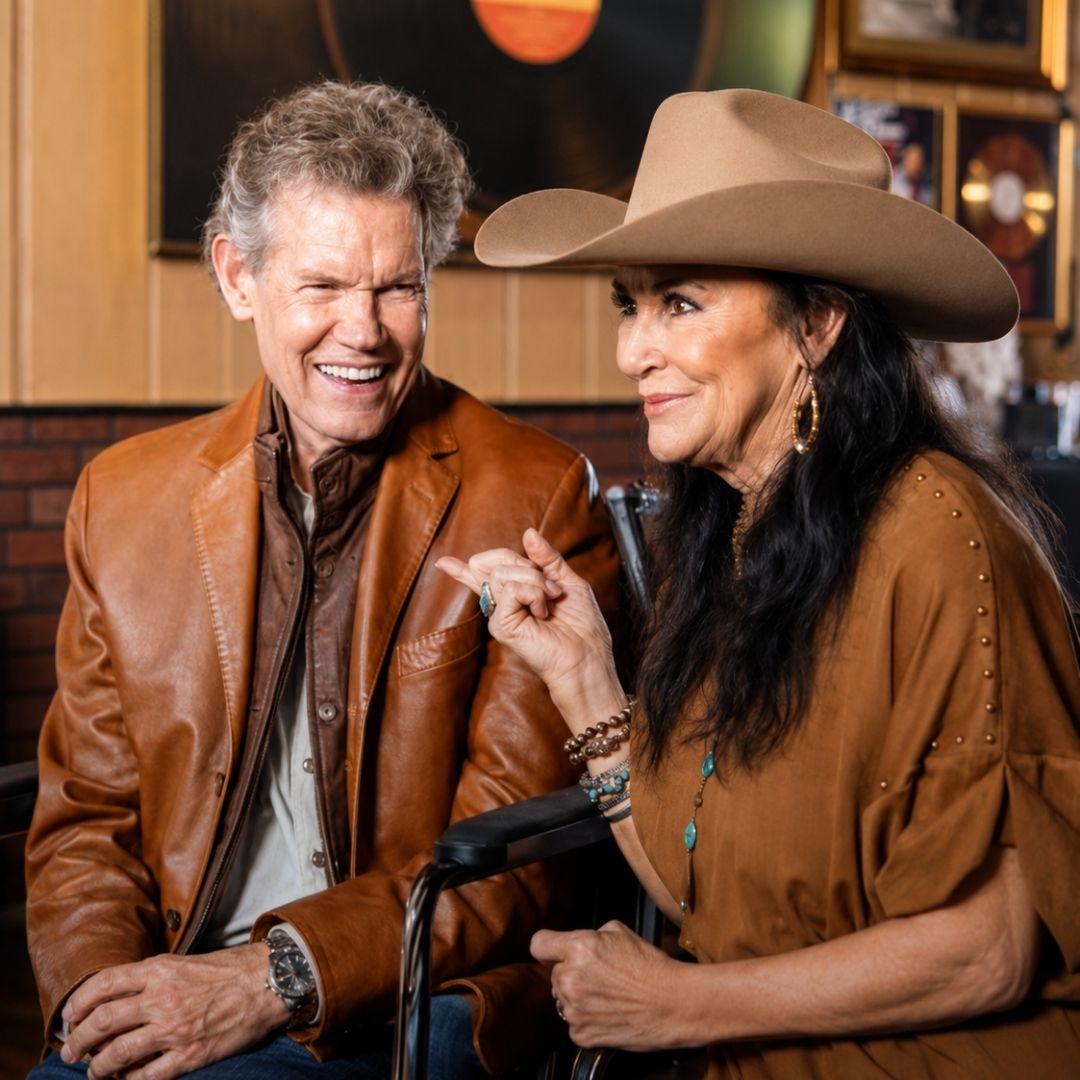
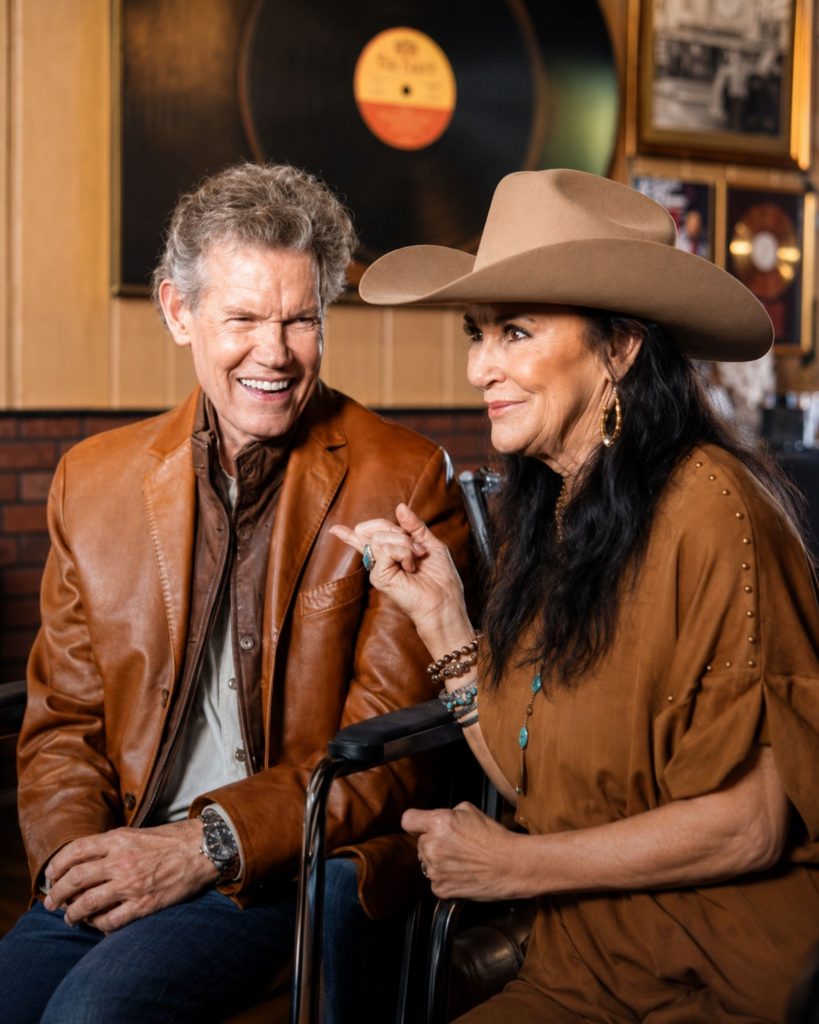
THE FIRST TIME RANDY TRAVIS RELEASED “ON THE OTHER HAND,” IT STOPPED AT NO. 67. A YEAR LATER, THE SAME SONG WENT TO NO. 1 AND HELPED PULL COUNTRY MUSIC BACK TOWARD HOME.
Before Randy Travis became the deep voice behind “Forever and Ever, Amen,” he was Randy Traywick.
A troubled teenager from North Carolina.
A boy who kept finding his way into courtrooms, jail cells, and trouble he was too young to understand how to leave behind.
He had dropped out of school.
He had been arrested more than once.
He could sing.
But singing was not enough to keep a life together.
Then Lib Hatcher heard him.
She Gave Him More Than A Job
Lib owned a Charlotte nightclub called Country City U.S.A.
She gave Randy a place to work.
A bandstand.
A room above the club.
And, when one judge was ready to send him back into the system, a promise that she would take responsibility for him.
For a while, Randy lived upstairs.
At night, he sang for people drinking beer under neon lights.
He learned the old songs.
George Jones.
Lefty Frizzell.
Merle Haggard.
The kind of country music that did not need to hurry.
The kind that trusted a sad line to do its own work.
Nashville Was Chasing Something Else
By the early 1980s, country music was getting slicker.
Brighter.
More polished.
But Randy’s voice did not sound made for that world.
It was low.
Slow.
Traditional.
It sounded like it had come from a country radio station twenty years earlier.
Lib took him to Nashville anyway.
Warner Bros. signed him.
Randy Traywick became Randy Travis.
Then came “On the Other Hand.”
The First Time, Nobody Came Back For It
Released in July 1985, “On the Other Hand” barely moved.
It stopped at No. 67.
For a new singer, that could have been enough.
One first single.
One quiet failure.
One door closing before people had even learned your name.
Warner released “1982” next.
That one climbed to No. 6.
Radio programmers started hearing something.
Fans began asking about the earlier song.
The one that had disappeared too fast.
So Warner put “On the Other Hand” back out in April 1986.
This Time, It Did Not Stop
By July, the same song was No. 1.
It was not built like a flashy hit.
No giant production.
No need to chase whatever sound radio had decided was new.
Just a married man at a bar.
Another woman nearby.
A wedding ring in his hand.
And the quiet guilt of knowing exactly what he should do.
Randy did not force the drama.
He let the steel guitar breathe.
He let the temptation stay small enough to feel real.
He sang it like a man trying to make the right choice before it was too late.
The Song Opened A Bigger Door
Then came Storms of Life.
Then “Forever and Ever, Amen.”
Then seven straight No. 1 singles.
But “On the Other Hand” mattered for more than the chart.
It told Nashville something had been waiting underneath all the polish.
Listeners still wanted fiddle.
Steel guitar.
A low voice.
A song about a wedding ring instead of a slogan.
Randy Travis made country music look backward without making it feel old.
And that helped clear a path for Alan Jackson, Clint Black, and the traditional country wave that followed.
What Lib Hatcher Refused To Let End
The deepest part of this story is not only that “On the Other Hand” became a No. 1 hit.
It is what came before it.
A troubled boy from North Carolina.
A nightclub above a neon bar.
A judge.
A woman willing to take responsibility.
A first single that failed.
A second chance.
And a song country radio finally heard when it was ready to remember itself.
Randy Travis did not become a star because his first record worked.
He became one because one woman refused to let its failure be the last thing anyone heard from him.
Video