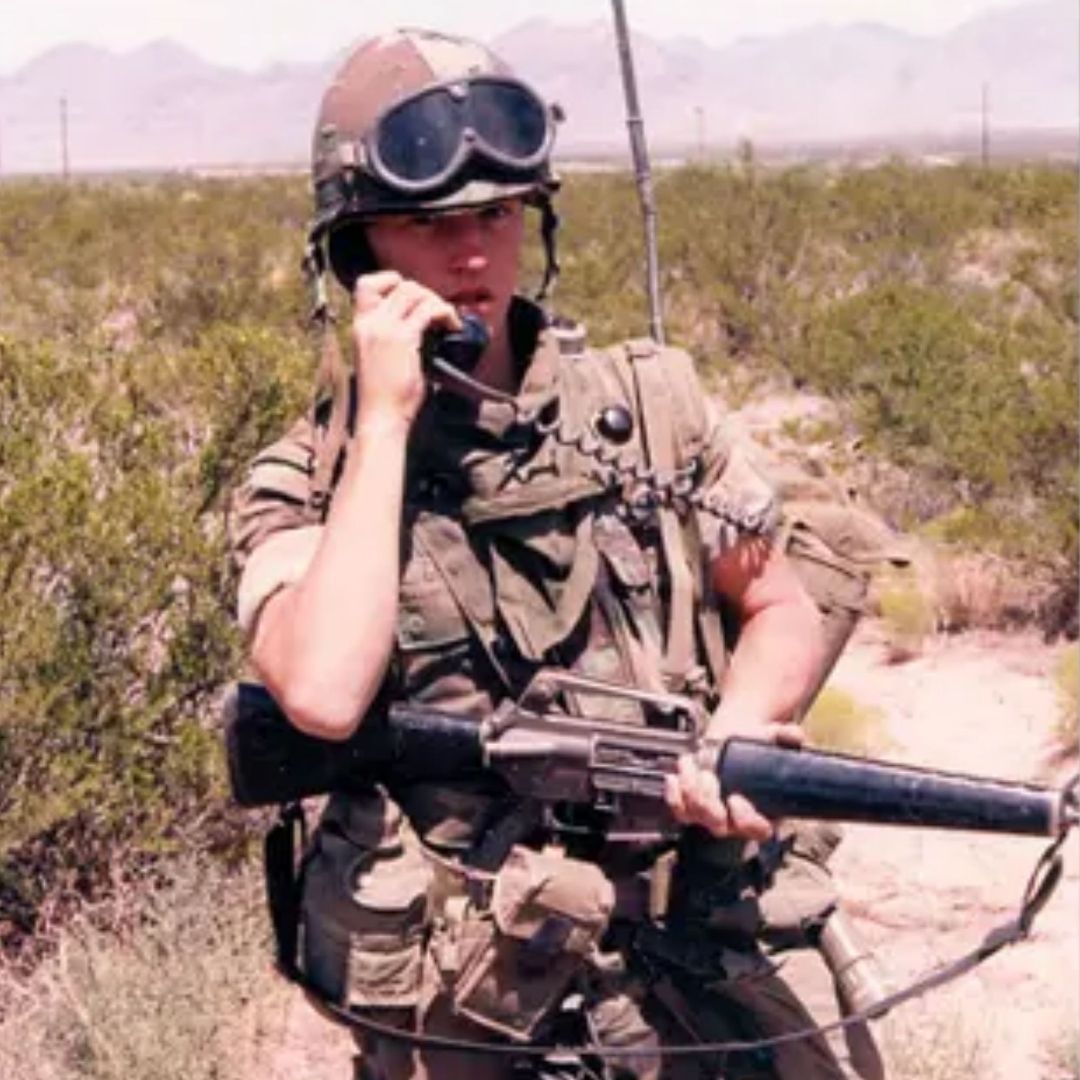
BEFORE COUNTRY RADIO KNEW CRAIG MORGAN, HE HAD ALREADY BEEN AN EMT, A PARATROOPER, A SHERIFF’S DEPUTY, AND A MAN WHO KNEW WHAT A BAD NIGHT COULD DO.
Craig Morgan did not arrive in Nashville as a kid who had spent every year chasing a record deal.
At eighteen, he became an EMT.
A few years later, he joined the Army.
He served with the 82nd and 101st Airborne Divisions, lived inside military discipline, and saw combat during the 1989 invasion of Panama.
Long before he sang about ordinary people, he had already stood beside them on some of their worst days.
Then Came The Jobs Nobody Put On A Poster
After the Army came civilian work.
He served as a sheriff’s deputy.
He worked as a contractor.
He took the jobs that keep bills paid, families moving, and life practical.
There were no red carpets in that world.
No label meetings.
No promises that a song would ever change anything.
There was work.
There was family.
There was the reality that tells most people a dream has to wait until the shift ends.
But Music Stayed With Him
Craig kept writing songs when he could.
He played wherever the chance appeared.
He did not have the clean biography Nashville likes to print for newcomers — the version where a young singer arrives with a guitar, a dream, and nothing but music in his past.
Craig had a résumé that looked like several lives stacked on top of each other.
Emergency calls.
Military service.
Law enforcement.
Rural work.
Family responsibility.
And somewhere inside all of it, songs waiting for a place to land.
He Did Not Have To Invent A Working-Man Voice
That is why Craig Morgan’s records never sounded like costume country.
When he sang “International Harvester,” he understood work that starts before daylight.
When he sang “That’s What I Love About Sunday,” he understood what a quiet day home can mean after a hard week.
When he sang “Almost Home,” he knew the difference between telling a story and seeing the kind of loneliness people carry when nobody else is looking.
He had been around soldiers.
Deputies.
Hospital calls.
People who measured life by whether everybody made it home safely.
That changes the way a man sings a line.
Country Music Gave Him Another Place To Serve
When Craig Morgan finally began making records, country music did not give him an identity.
It gave him another place to use one he already had.
The uniform had taught him discipline.
The emergency work had taught him how fast a normal day can turn.
The deputy’s badge had taught him that trouble rarely arrives looking dramatic at first.
And the music gave him a way to turn all of that into songs people could recognize themselves inside.
What Craig Morgan Really Leaves Behind
The deepest part of Craig Morgan’s story is not only that he became a country singer.
It is that he had already learned the weight of real life before country radio ever said his name.
An EMT at eighteen.
A paratrooper.
A soldier in Panama.
A sheriff’s deputy.
A contractor.
A husband and father.
A songwriter working between shifts and responsibilities.
Then a singer whose voice sounded believable because it had already been tested outside the studio.
Country music did not make Craig Morgan a working man.
It just gave the working man a microphone.
Video