Hinh website 2026 06 23T112458.833
“Scroll down to the end of the article to listen to music.”
Hinh fb 2026 06 23T112442.072

THEIR FIRST SHOW WAS FREE, PLAYING BESIDE THEIR FATHER AT A FLORIDA RATTLESNAKE ROUNDUP — THEN THE BELLAMY BROTHERS LEARNED HOW TO HOLD A CROWD IN BLACK CLUBS ACROSS THE SOUTH.

Before the hit records.

Before the international tours.

Before “Let Your Love Flow” made David and Howard Bellamy famous far beyond Florida.

There was a rattlesnake roundup.

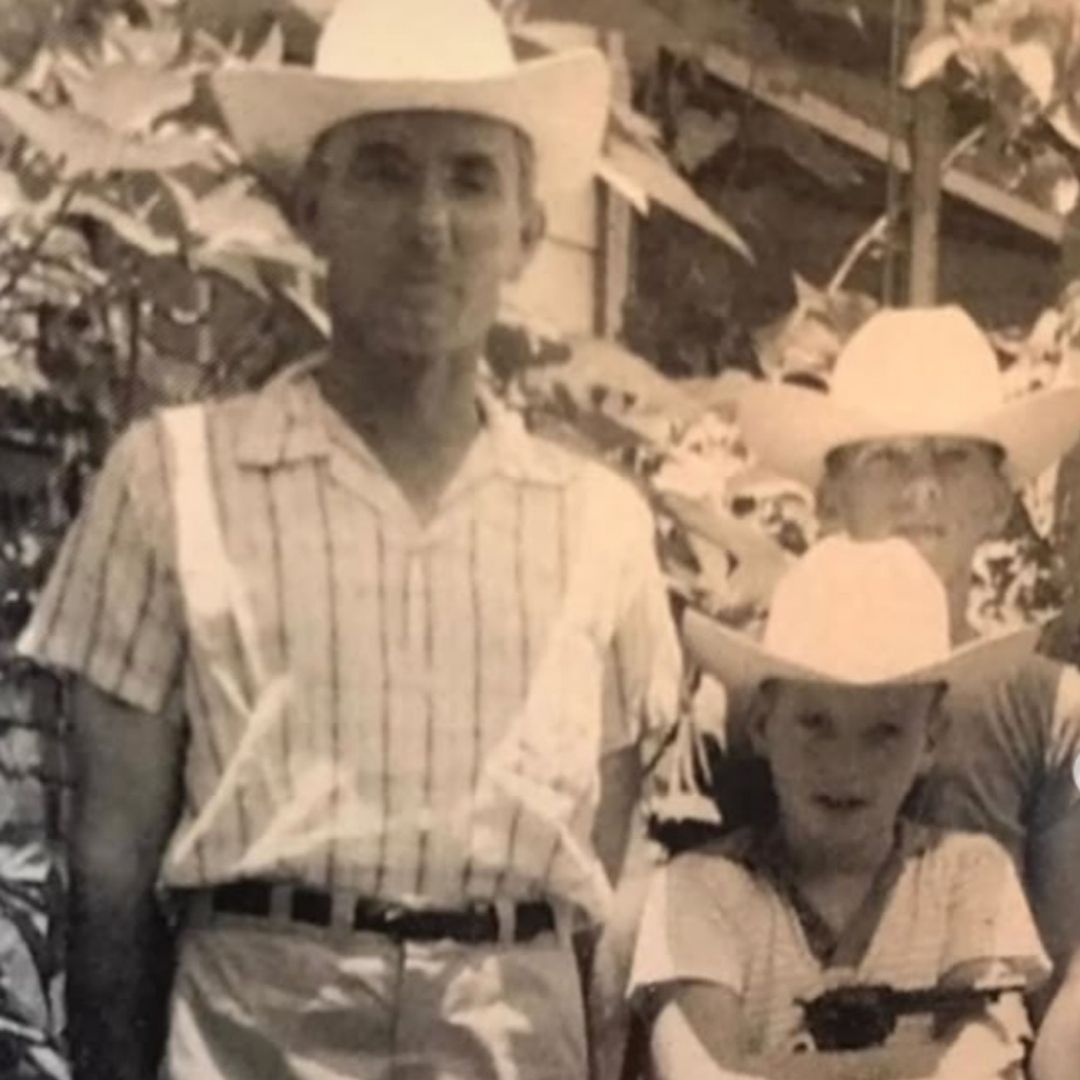
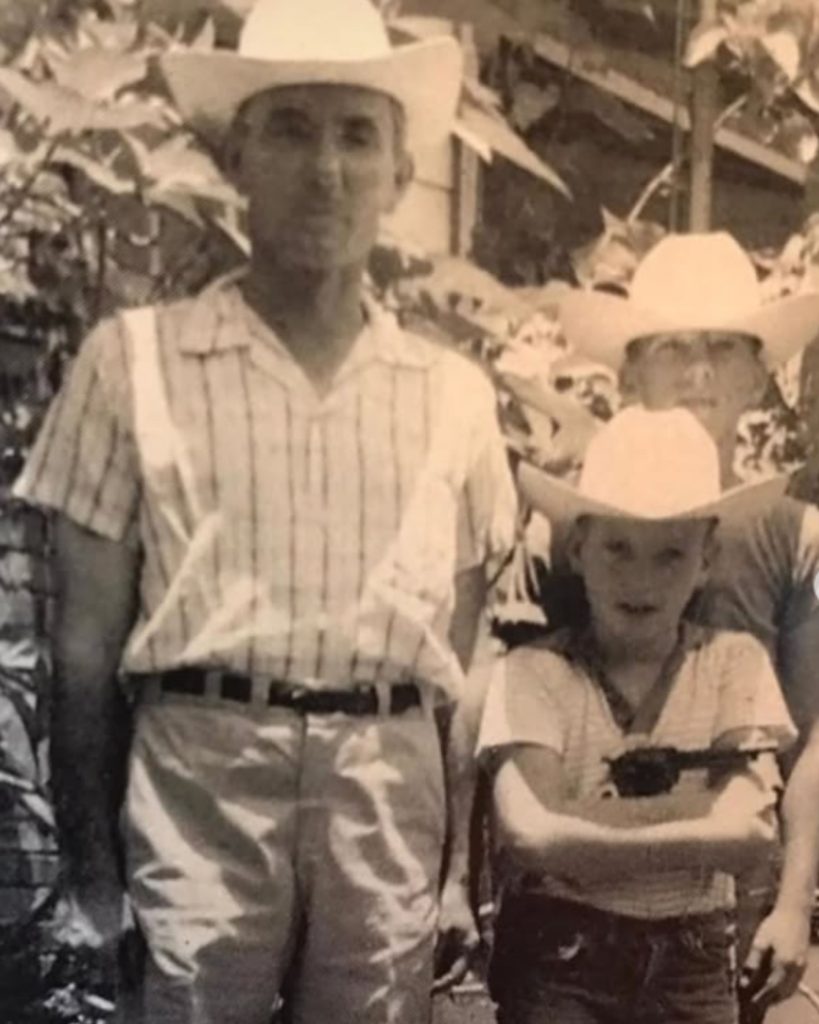
In 1968, the two brothers played beside their father, Homer Bellamy, at the Rattlesnake Roundup in San Antonio, Florida.

It was not a glamorous beginning.

Family instruments.

A local crowd.

No record deal.

No manager waiting backstage.

No plan beyond getting through the set.

The First Lesson Was Simple

A crowd does not care how much potential you have.

They care whether you can keep them listening.

After that first show, David and Howard took work wherever it appeared.

They played the rooms that would have them.

The clubs where people were talking over the music.

The bars where the dance floor mattered more than the band’s dreams.

The places where nobody came in already knowing the Bellamy Brothers’ name.

That was where they learned to work.

They Played Black Clubs Across The South

The brothers performed in Black clubs across the South and sang backup for artists including Percy Sledge, Eddie Floyd, and Little Anthony & The Imperials.

Those rooms taught them a different kind of discipline.

You could not stand still and hope people noticed.

You had to find the beat.

You had to land the harmony.

You had to make the chorus lift at exactly the right moment.

And if you lost the room, you had to earn it back before the next song ended.

That kind of education does not come from a record label.

It comes from facing a live crowd that owes you nothing.

Soul Taught Them How To Move A Room

The Bellamys came from Florida country.

But their music began carrying more than country phrasing.

They learned timing from soul singers.

They learned rhythm from dance floors.

They learned that a chorus had to do more than sound good on a record.

It had to reach people who were drinking, talking, laughing, hurting, and waiting for one reason to step closer to the stage.

That lesson stayed in their music.

Then Atlanta Added Another Layer

Later, David and Howard moved through Atlanta’s Southern-rock world.

By then, they were already carrying a sound that did not fit cleanly into one lane.

Country phrasing.

Rock energy.

Soul rhythm.

And the close harmony of two brothers who had been singing beside each other long before Nashville learned their names.

That mixture became part of what made them different.

They never sounded like they had come from only one place.

The Big Hit Came Later

Years later, “Let Your Love Flow” would make the Bellamy Brothers international stars.

The record traveled around the world.

But the sound that carried it had already been tested in small Southern rooms where nobody cared about future fame.

It had been tested at a Florida rattlesnake roundup.

In crowded clubs.

Behind soul singers.

In rooms where the band had to hold the audience one song at a time.

What Those Early Rooms Really Left Behind

The deepest part of this story is not only that David and Howard Bellamy became country music stars.

It is where they learned how to make people listen.

A free family show beside their father.

A rattlesnake roundup in Florida.

Black clubs across the South.

Backup harmonies behind soul legends.

Crowds that could not be impressed by potential alone.

And two brothers learning that a song has to move before it can last.

“Let Your Love Flow” made the Bellamy Brothers famous.

But those little rooms taught them how to keep a crowd from walking away.

Video

Related Post

55,000 SEATS WERE NOT ENOUGH. SO LOWER BROADWAY OFFERED A FREE LIVESTREAM FOR FANS WHO COULDN’T GET INTO THE STADIUM. By the time Alan Jackson’s final full-length concert reached Nissan Stadium, not everyone who wanted to be there could get inside. The show had sold out. George Strait was coming. Carrie Underwood, Luke Combs, Miranda Lambert, Lee Ann Womack, Eric Church, Lainey Wilson, and a long line of country stars were on the bill. For people who had spent decades with Alan’s records in their trucks, kitchens, fishing boats, and living rooms, one night in Nashville had become the last chance to see him carry a full concert on his own terms. But a stadium has walls. Lower Broadway did not. So downtown Nashville built another room for the farewell. They called it Keepin’ It Country on Broadway. A stage and large screen went up on Lower Broadway. Gates opened at 4 p.m. The livestream was free. James Carothers performed before the broadcast, and then the people who had not found a seat at Nissan Stadium could still stand together in the city Alan Jackson had made his own and watch the final show unfold in real time. His songs belonged to the people who heard “Chattahoochee” on the radio after work. The people who played “Drive” after losing a parent. The people who had a copy of Don’t Rock the Jukebox worn thin from years in the truck. At Nissan Stadium, Alan sang the last full-length show of his touring life. A few miles away, on Lower Broadway, strangers stood shoulder to shoulder beneath the Nashville lights and listened anyway. The stadium had sold the seats. The city gave the goodbye back to everyone else.

MORE THAN 10 COUNTRY STARS SANG ALAN JACKSON’S SONGS BEFORE HE WALKED ONSTAGE TO SING THEM ONE LAST TIME HIMSELF. Alan Jackson’s final full-length concert was never built like a normal goodbye. By the time Last Call: One More for the Road — The Finale reached Nissan Stadium on June 27, 2026, Alan had already spent more than three decades carrying country music through a period when the sound around him kept changing. He had made 35 No. 1 records. He had sold the songs about rivers, pickup trucks, fathers, weddings, broken hearts, church, memory, and ordinary people who never expected their lives to become country lyrics. But before Alan sang a note that night, other people sang his life back to him. Luke Combs. Carrie Underwood. Miranda Lambert. Eric Church. Lainey Wilson. Luke Bryan. Keith Urban. Thomas Rhett. Lee Ann Womack. George Strait. A generation of artists who came after Alan Jackson stepped onto the Nissan Stadium stage and took turns singing the songs he had spent years making famous. Some had grown up hearing him on the radio. Some had built careers in a country world Alan had helped keep open. The fiddle-and-steel side of Nashville. The part of country music where a song could still be about a truck, a marriage, a dead father, a river, or a man trying to hold on to the one thing he should have protected. Then the weather stopped everything. Lightning pushed fans out of the seats and into the concourses. The stadium waited. The singers waited. Alan waited. When the storm passed, the crowd came back. And after all those artists had sung his songs, Alan Jackson walked out to sing his own. “Gone Country.” “Livin’ on Love.” “Drive.” “Where Were You.” “Chattahoochee.” The younger stars had opened the night by proving how far Alan Jackson’s music had traveled. Then Alan stepped into the same stadium and reminded everyone where it started.

BEFORE HIS LAST SHOW, ALAN JACKSON RECORDED “Still the One” A LOVE SONG FOR THE WOMAN WHO HAD BEEN THERE FOR 50 YEARS Long before the white hat became part of country music history, Alan Jackson was just a young man from Newnan, Georgia trying to figure out where his life was going. Denise was there before the records. Before the move to Nashville. Before the first radio single. Before “Chattahoochee” turned him into a star and before the country music business started measuring his life in No. 1 hits, awards, sold-out arenas, and Hall of Fame speeches. One of the memories Alan never forgot was seeing Denise practicing a cheerleading routine to “Still the One,” the 1970s Orleans song about choosing the same person after the years have had their say. Nearly five decades later, he recorded it himself. The timing was not accidental. On June 25, 2026, Alan released his version of “Still the One.” Two days later, he would walk into Nissan Stadium for the final full-length concert of his touring career. The same road that had carried him through forty years of country music was now becoming too hard to keep carrying. Charcot-Marie-Tooth disease had changed the physical part of the job. It affected his balance. It changed the way he moved. It made standing through a long night onstage more difficult than fans could see from the seats. So before the final stadium show, Alan did not release a farewell anthem. He released a love song. Not for country radio. Not for the charts. For the woman who had known him before the songs made him famous, before the crowd learned his name, and before the road became something he had to leave behind. Two days later, Alan Jackson would stand before tens of thousands of people in Nashville. But first, he put out one quiet record for Denise. The girl who had been there before all of it.

You Missed

55,000 SEATS WERE NOT ENOUGH. SO LOWER BROADWAY OFFERED A FREE LIVESTREAM FOR FANS WHO COULDN’T GET INTO THE STADIUM. By the time Alan Jackson’s final full-length concert reached Nissan Stadium, not everyone who wanted to be there could get inside. The show had sold out. George Strait was coming. Carrie Underwood, Luke Combs, Miranda Lambert, Lee Ann Womack, Eric Church, Lainey Wilson, and a long line of country stars were on the bill. For people who had spent decades with Alan’s records in their trucks, kitchens, fishing boats, and living rooms, one night in Nashville had become the last chance to see him carry a full concert on his own terms. But a stadium has walls. Lower Broadway did not. So downtown Nashville built another room for the farewell. They called it Keepin’ It Country on Broadway. A stage and large screen went up on Lower Broadway. Gates opened at 4 p.m. The livestream was free. James Carothers performed before the broadcast, and then the people who had not found a seat at Nissan Stadium could still stand together in the city Alan Jackson had made his own and watch the final show unfold in real time. His songs belonged to the people who heard “Chattahoochee” on the radio after work. The people who played “Drive” after losing a parent. The people who had a copy of Don’t Rock the Jukebox worn thin from years in the truck. At Nissan Stadium, Alan sang the last full-length show of his touring life. A few miles away, on Lower Broadway, strangers stood shoulder to shoulder beneath the Nashville lights and listened anyway. The stadium had sold the seats. The city gave the goodbye back to everyone else.

MORE THAN 10 COUNTRY STARS SANG ALAN JACKSON’S SONGS BEFORE HE WALKED ONSTAGE TO SING THEM ONE LAST TIME HIMSELF. Alan Jackson’s final full-length concert was never built like a normal goodbye. By the time Last Call: One More for the Road — The Finale reached Nissan Stadium on June 27, 2026, Alan had already spent more than three decades carrying country music through a period when the sound around him kept changing. He had made 35 No. 1 records. He had sold the songs about rivers, pickup trucks, fathers, weddings, broken hearts, church, memory, and ordinary people who never expected their lives to become country lyrics. But before Alan sang a note that night, other people sang his life back to him. Luke Combs. Carrie Underwood. Miranda Lambert. Eric Church. Lainey Wilson. Luke Bryan. Keith Urban. Thomas Rhett. Lee Ann Womack. George Strait. A generation of artists who came after Alan Jackson stepped onto the Nissan Stadium stage and took turns singing the songs he had spent years making famous. Some had grown up hearing him on the radio. Some had built careers in a country world Alan had helped keep open. The fiddle-and-steel side of Nashville. The part of country music where a song could still be about a truck, a marriage, a dead father, a river, or a man trying to hold on to the one thing he should have protected. Then the weather stopped everything. Lightning pushed fans out of the seats and into the concourses. The stadium waited. The singers waited. Alan waited. When the storm passed, the crowd came back. And after all those artists had sung his songs, Alan Jackson walked out to sing his own. “Gone Country.” “Livin’ on Love.” “Drive.” “Where Were You.” “Chattahoochee.” The younger stars had opened the night by proving how far Alan Jackson’s music had traveled. Then Alan stepped into the same stadium and reminded everyone where it started.

BEFORE HIS LAST SHOW, ALAN JACKSON RECORDED “Still the One” A LOVE SONG FOR THE WOMAN WHO HAD BEEN THERE FOR 50 YEARS Long before the white hat became part of country music history, Alan Jackson was just a young man from Newnan, Georgia trying to figure out where his life was going. Denise was there before the records. Before the move to Nashville. Before the first radio single. Before “Chattahoochee” turned him into a star and before the country music business started measuring his life in No. 1 hits, awards, sold-out arenas, and Hall of Fame speeches. One of the memories Alan never forgot was seeing Denise practicing a cheerleading routine to “Still the One,” the 1970s Orleans song about choosing the same person after the years have had their say. Nearly five decades later, he recorded it himself. The timing was not accidental. On June 25, 2026, Alan released his version of “Still the One.” Two days later, he would walk into Nissan Stadium for the final full-length concert of his touring career. The same road that had carried him through forty years of country music was now becoming too hard to keep carrying. Charcot-Marie-Tooth disease had changed the physical part of the job. It affected his balance. It changed the way he moved. It made standing through a long night onstage more difficult than fans could see from the seats. So before the final stadium show, Alan did not release a farewell anthem. He released a love song. Not for country radio. Not for the charts. For the woman who had known him before the songs made him famous, before the crowd learned his name, and before the road became something he had to leave behind. Two days later, Alan Jackson would stand before tens of thousands of people in Nashville. But first, he put out one quiet record for Denise. The girl who had been there before all of it.