
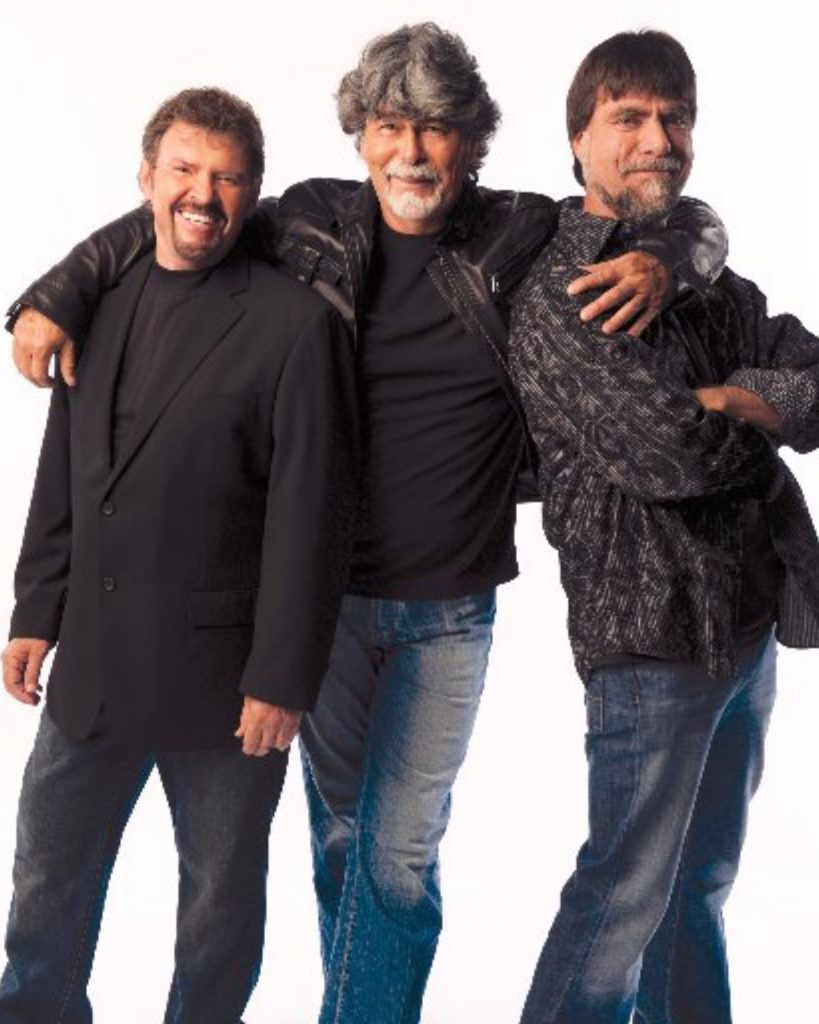
JEFF COOK’S HANDS HELPED BUILD ALABAMA’S SOUND — THEN PARKINSON’S STARTED TAKING AWAY THE MOVEMENT THAT HAD MADE THE MUSIC FEEL LIKE HOME.
Some musicians are not just part of a band.
They are part of the color.
Jeff Cook was there before Alabama became a country machine. He was not hired into a finished legend. He helped build it from Fort Payne blood, family harmony, long nights, hard stages, and the kind of work that came before the awards and the Hall of Fame.
Randy Owen had the lead voice.
Teddy Gentry had the bass and the family root.
Jeff brought the spark.
He Played Whatever The Song Needed
That was Jeff Cook’s gift.
Guitar.
Fiddle.
Keyboards.
Mandolin.
Banjo.
Whatever the song asked for, he could reach for it.
Alabama did not sound like three singers standing in front of anonymous studio players. They sounded like a band because they were one. Jeff’s hands helped give the records their lift — the fiddle flash, the guitar bite, the country-rock edge, the bright lines that made the songs move.
“Mountain Music.”
“Tennessee River.”
“Dixieland Delight.”
“If You’re Gonna Play in Texas.”
Those records did not just have melodies.
They had motion.
Then The Hands Started Betraying Him
In 2012, Jeff Cook was diagnosed with Parkinson’s disease.
For years, most fans did not know.
The band kept moving. The songs kept coming. The crowds still sang every word. But behind the familiar sound, Jeff was fighting something that went straight at the tools of his life.
Movement.
Balance.
Timing.
Grip.
Control.
For a man who had spent decades making music with his hands, Parkinson’s was not only illness.
It was theft.
He Made It Public In 2017
When Jeff finally shared the diagnosis publicly in 2017, there was no easy way to make it sound gentle.
Parkinson’s does not care how many records a band has sold.
It does not care how many people stand up when the fiddle starts.
It does not care that a man’s hands once helped define the sound of country music for millions.
It comes for the simple things first.
The reach.
The touch.
The ease.
The part of playing that once felt like breathing.
He Kept Playing As Long As He Could
That is what made it hurt.
Jeff did not vanish the moment the diagnosis came.
He kept going as long as his body let him.
By 2018, he stepped away from regular touring. Alabama continued with his blessing, but every fan who knew the old shape could feel the change.
Randy was still there.
Teddy was still there.
The songs were still there.
But one corner of the triangle was missing from the nightly picture.
A Band Can Continue And Still Be Changed
That is the truth people sometimes avoid.
A band can keep playing after illness changes the lineup.
The crowd can still sing.
The lights can still come up.
The name can still be on the ticket.
But it cannot pretend nothing has shifted.
Jeff Cook had helped make Alabama’s sound feel like home. When he could no longer stand inside that sound every night, the music carried a quieter ache.
Not silence.
Absence.
November 7, 2022
Jeff Cook died at his home in Destin, Florida.
He was 73.
The headlines called him a co-founder.
A guitarist.
A fiddler.
A Country Music Hall of Fame member.
All of that was true.
But Alabama fans understood something even simpler than any headline could say.
The hands that made the fiddle jump, the guitar ring, and the band feel whole had finally gone still.
What Jeff Cook Really Leaves Behind
The deepest part of this story is not only that Jeff Cook helped found Alabama.
It is that his sound became part of people’s memory of home.
A Fort Payne beginning.
A band built before the machine found it.
A musician who could color any song with whatever instrument the moment needed.
A Parkinson’s diagnosis hidden for years.
A public goodbye to regular touring.
And a final silence after a lifetime of making country music move.
Jeff Cook’s hands helped build Alabama.
When those hands could no longer play every night, the songs kept going — but every note carried the memory of what they had once held.
Video