JOHNNY HORTON LEFT AUSTIN AFTER A SHOW — AND NEVER MADE IT BACK TO SHREVEPORT WHILE “NORTH TO ALASKA” WAS STILL CLIMBING.
Some singers die after the crowd has gone home.
Johnny Horton did.
By 1960, he was no longer just another country singer working the road. He had become the voice of big American story songs — battles, frontiers, ships, frozen trails, men moving toward danger with history already closing in behind them.
“The Battle of New Orleans” had made him enormous.
“Sink the Bismarck” had followed.
“North to Alaska” was still moving.
Then the road took him before the song was finished with the world.
He Sang Like History Had A Backbeat
Horton was not built like a quiet country balladeer.
He had come through East Texas, California, Alaska, talent contests, radio work, and the Louisiana Hayride before the big records finally caught up to him.
There was always motion in his story.
Fishing.
Travel.
Stage work.
Hard country road miles.
By the time he hit with “When It’s Springtime in Alaska,” the voice already sounded like it belonged somewhere larger than a normal love song.
“The Battle Of New Orleans” Changed Everything
Then came “The Battle of New Orleans.”
That record did not just become a hit.
It turned Horton into the man country music trusted with history. He could take an old war story and make it feel like a campfire, a march, and a joke all at once.
The song won big.
The audience widened.
Suddenly, Johnny Horton was not just singing songs.
He was turning American folklore into radio.
The Last Night Looked Like Another Date
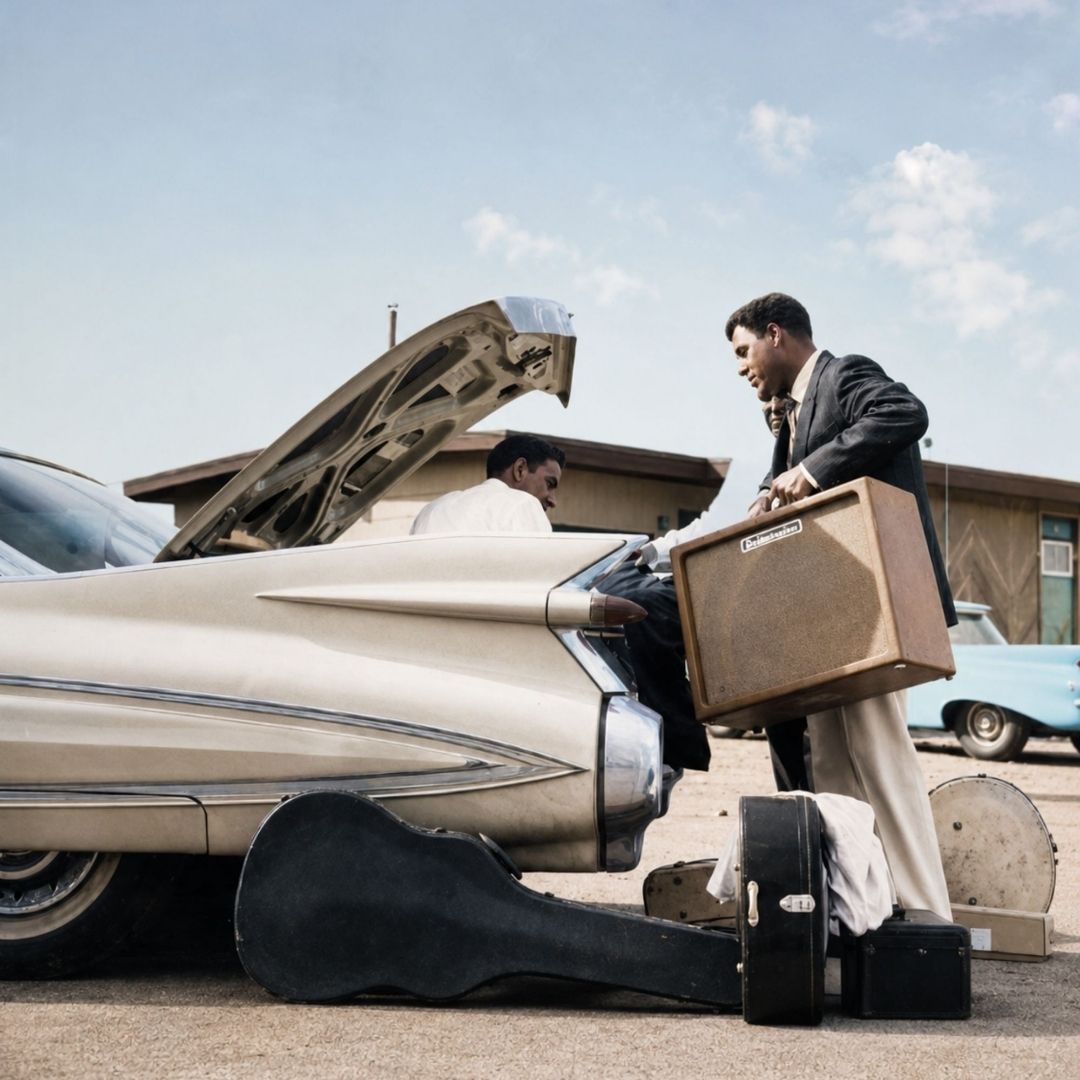
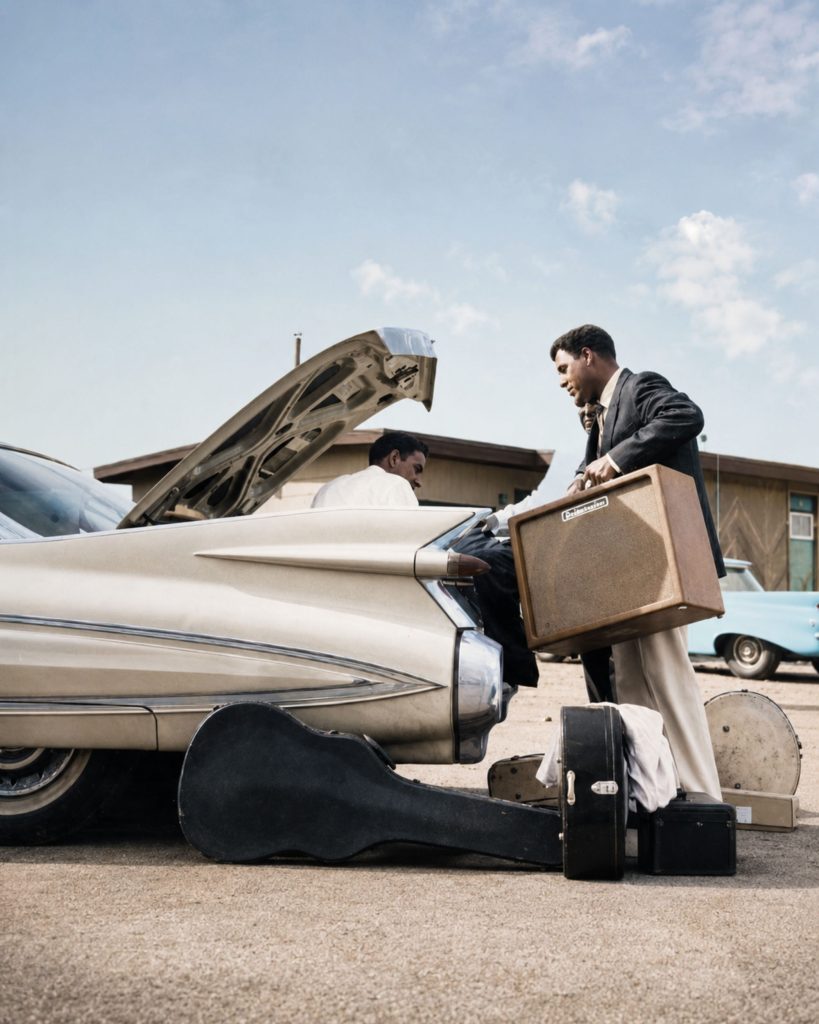
On November 4, 1960, Horton played the Skyline Club in Austin, Texas.
Nothing about that night was supposed to feel final.
A show.
A crowd.
Another road trip after the last song.
He left for Shreveport with his manager, Tillman Franks, and guitarist Tommy Tomlinson.
The stage was behind them.
Home was still ahead.
That is where the story turned.
The Bridge Near Milano Took The Future
Near Milano, Texas, their car collided with a truck on a bridge.
Horton died on the way to the hospital.
He was 35.
Tommy Tomlinson was badly injured and later lost a leg. Tillman Franks survived with serious injuries.
It was not a battlefield.
Not Alaska.
Not a ship at war.
Just a Texas road after a club date, the kind of drive working musicians make so often they stop thinking of it as dangerous.
The Record Kept Moving Without Him
That is the cruel part.
“North to Alaska” was still out in the world.
The song tied to the John Wayne film kept traveling through radio while the man singing it was gone.
Horton had built his late career around men chasing danger in distant places. But his own ending came in the ordinary middle of a musician’s life — between one show and the next destination.
No final bow.
No long farewell.
Just the highway.
What Johnny Horton Really Leaves Behind
The deepest part of this story is not only that Johnny Horton died young.
It is how close his death came to the peak of the sound that had made him unforgettable.
A Louisiana Hayride roadman.
A Grammy-winning saga hit.
“North to Alaska” still climbing.
A late-night drive out of Austin.
A bridge near Milano.
And a singer gone before country music could find out how many more stories his voice might have carried.
Johnny Horton spent his final years singing about men chasing history.
Then history caught him on the road home.
Video