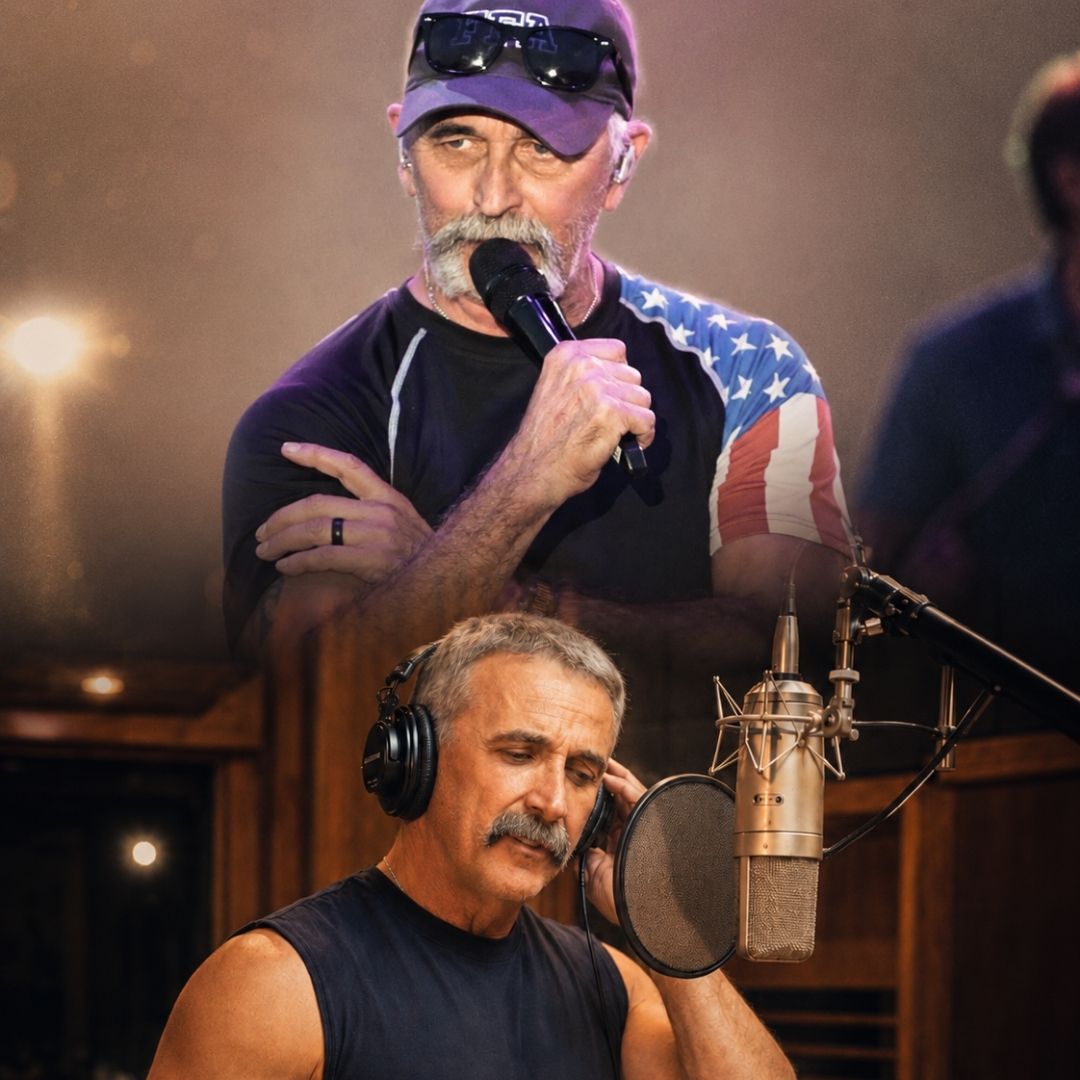
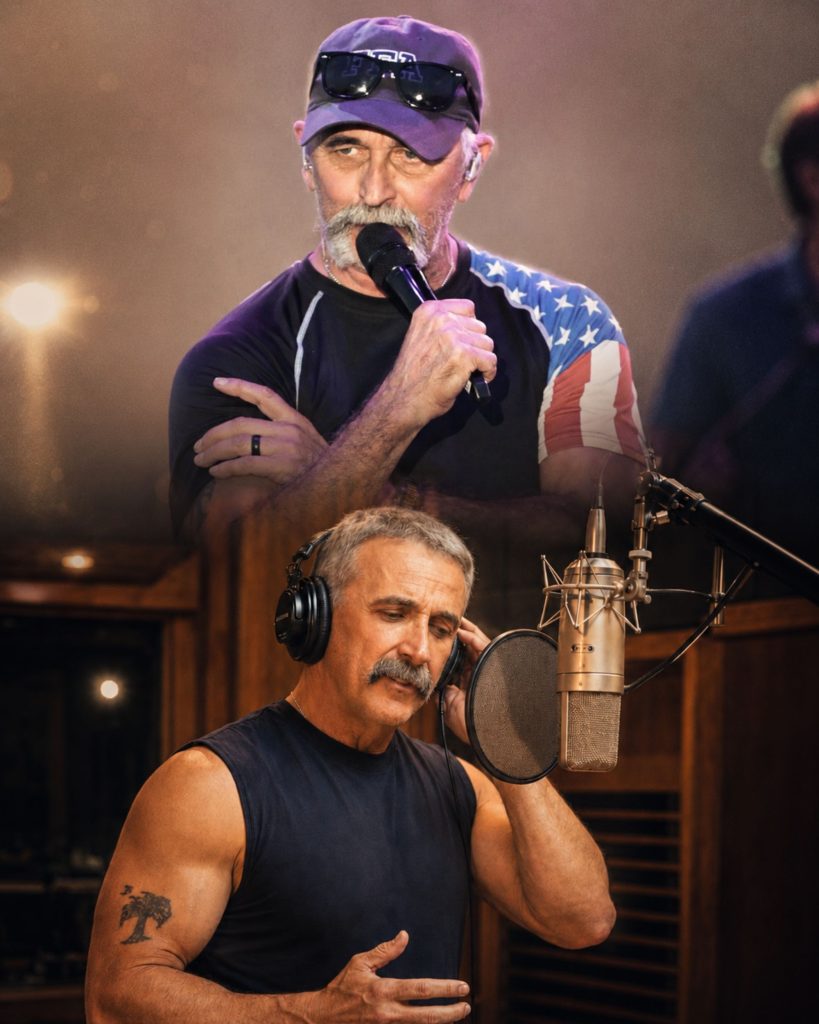
AARON TIPPIN’S PATRIOTIC SONG MISSED THE ALBUM — THEN 9/11 MADE IT SOUND LIKE IT HAD BEEN WAITING.
Some songs miss their moment.
This one missed an album and found a country in shock.
Aaron Tippin had already written “Where the Stars and Stripes and the Eagle Fly” with Kenny Beard and Casey Beathard for his 2000 album People Like Us.
But it did not make the record.
No single.
No video.
No big launch.
Just a song left behind.
It Was Not Born From 9/11
That matters.
The song was not written after the towers fell. It was already there, sitting quietly outside the album that had moved on without it.
That makes the story stranger.
Before anyone knew what September 2001 would become, the words were waiting. A patriotic song with nowhere to go, cut loose from the project it was meant for.
Then the country changed in one morning.
The Silence Needed A Voice
September 11 did not feel like news at first.
It felt like disbelief.
Planes.
Smoke.
People running.
Families calling phones that would never be answered.
Names not yet turned into memorials.
America was not looking for entertainment that week. It was looking for something strong enough to hold anger, grief, fear, and pride without pretending any of it was simple.
Suddenly, Tippin’s unreleased song had a reason to stand up.
He Went Back Fast
Two days later, on September 13, Aaron Tippin went into a Nashville studio and recorded it.
That speed says a lot.
There was no long marketing plan. No careful distance. No waiting until the wound became easier to package.
The record came while the smoke was still part of the national image.
It was released on September 17.
Less than a week after the attack.
The Song Changed Because The Country Changed
That is the strange power of timing.
A year earlier, it was just a song that did not fit an album.
After 9/11, every line carried a new weight.
Listeners did not hear it as leftover material. They heard it through the shock of that week — through flags on porches, missing-person posters, rescue workers, military families, and living rooms where people were still trying to understand what had happened.
The song had not changed.
The world around it had.
New York Made The Video Heavier
The video was filmed in New York that month.
That detail keeps the song from feeling distant.
The city was not an abstract symbol. It was still raw. The flag was not decoration. It was being held up against smoke, rubble, grief, and the stubborn need to keep standing.
Tippin’s voice carried the record.
But New York carried the evidence.
The Charts Were Not The Whole Point
The single climbed to No. 2 on the country chart and reached the Top 20 on the Billboard Hot 100.
Those numbers matter.
But the deeper part is what the song did in that moment. It gave people something they could sing when they did not yet know how to talk about the attack.
Proceeds went to Red Cross relief efforts.
The record became more than a release.
It became part of the response.
What That Missed Album Cut Really Leaves Behind
The deepest part of this story is not that Aaron Tippin had a hit after 9/11.
It is that a rejected album track suddenly became the song people needed.
A cut song.
A stunned country.
A studio date two days after the towers fell.
A release before the grief had even settled into history.
And somewhere inside “Where the Stars and Stripes and the Eagle Fly” was the strange truth music keeps proving:
Sometimes a song does not miss its chance.
Sometimes it is held back until the moment is heavy enough to need it.