Hinh website 2025 12 22T062100.081
“Scroll down to the end of the article to listen to music.”
Introduction

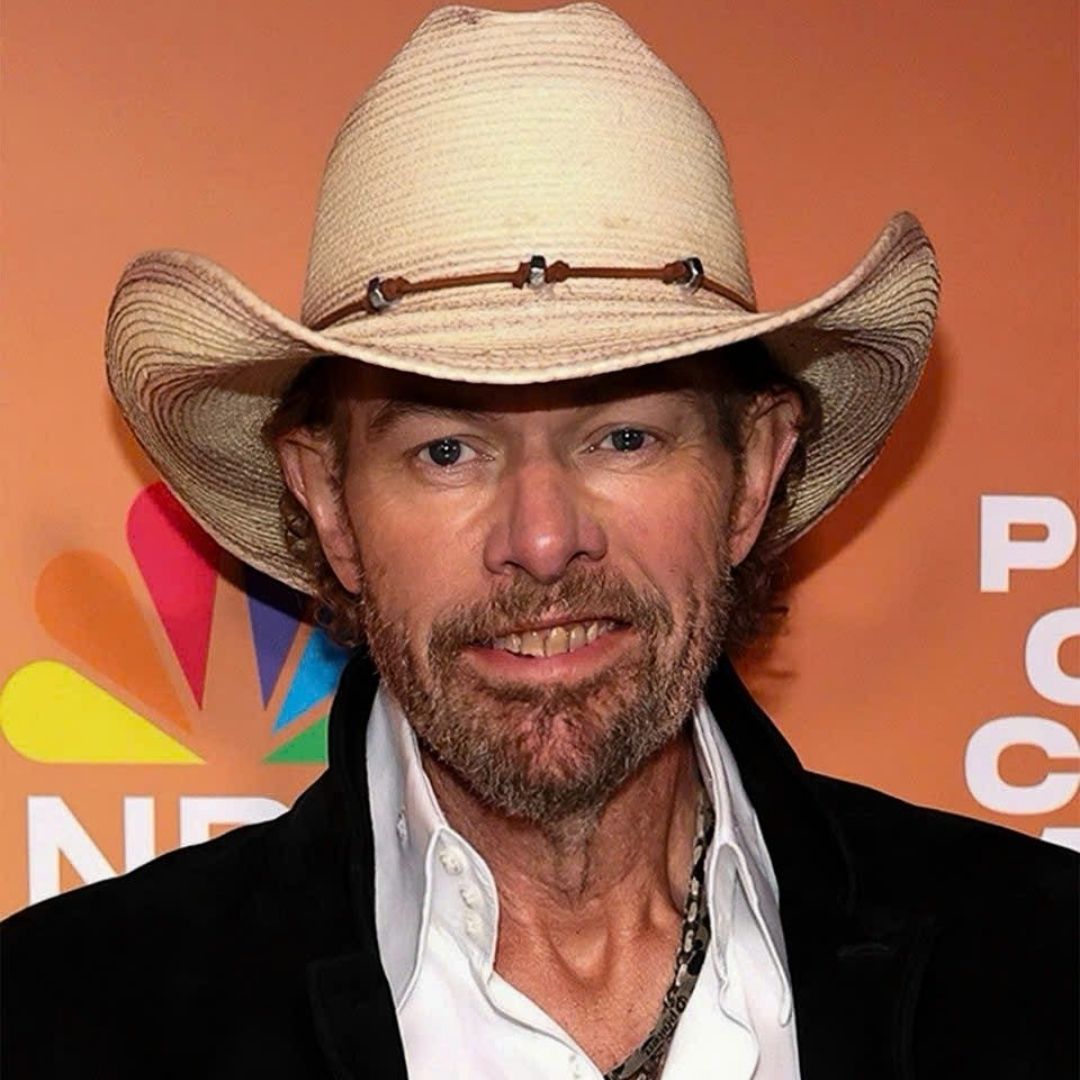
A few years back, I stumbled upon Clint Eastwood’s film The Mule late at night, expecting just another crime drama. But what lingered in my mind long after the credits rolled wasn’t the plot — it was the song that played over the closing moments: “Don’t Let the Old Man In.” It felt like a quiet whisper from the screen, a reminder about time, aging, and resilience. That’s when I discovered Toby Keith’s haunting, heartfelt piece, a song born from an unexpectedly personal place.

About The Composition

  • Title: Don’t Let the Old Man In

  • Composer: Toby Keith

  • Premiere Date: 2018 (featured in The Mule)

  • Album/Collection: Don’t Let the Old Man In (single), later included on the album Peso in My Pocket (2021)

  • Genre: Country, Contemporary Country Ballad

Background

According to the Wikipedia entry, this song was inspired by a conversation between Toby Keith and Clint Eastwood at a golf tournament. Eastwood, then 88 years old, mentioned that he was starting a new film project (The Mule). When Keith asked how he kept going, Eastwood simply said, “I don’t let the old man in.” That phrase struck Keith deeply, and within days, he wrote and recorded the song, capturing a lifetime’s worth of wisdom in just a few minutes of music.

The song was released in December 2018 and played over the closing credits of The Mule, immediately resonating with audiences for its raw honesty about aging, perseverance, and facing life’s final chapters head-on. It wasn’t just another addition to Keith’s repertoire — it became one of the most emotionally powerful songs of his career.

Musical Style

Musically, “Don’t Let the Old Man In” is understated yet deeply moving. Built around a gentle acoustic guitar and minimal production, the song leans heavily on Keith’s weathered, expressive vocals. The melody is simple, almost hymn-like, emphasizing the lyrics rather than overshadowing them. This stripped-down arrangement creates an intimate, confessional atmosphere — you feel as though Keith is sitting right next to you, sharing hard-earned truths about life.

Lyrics/Libretto

The lyrics paint a poignant picture of the internal battle against aging:
“Ask yourself how old you’d be / If you didn’t know the day you were born.”
The song urges listeners to reject the creeping mindset of surrender — the “old man” isn’t just about physical age but about giving up, slowing down, losing spirit. There’s an undercurrent of defiance in the lyrics, not in an angry or rebellious way, but in a quietly determined voice that refuses to be silenced.

Performance History

After its release, the song quickly became a fan favorite and a regular part of Toby Keith’s live shows. Notable performances include Keith’s appearances on national television, where the emotional weight of the song often left both audiences and the artist visibly moved. In later years, particularly after Keith’s public health struggles, “Don’t Let the Old Man In” took on even more significance, becoming an anthem not just of aging, but of survival and grit.

Cultural Impact

Beyond its role in The Mule, the song has touched many who face aging, illness, or personal setbacks. It’s been embraced by veterans, cancer survivors, and everyday people looking for strength in the face of hardship. Social media has kept its message alive, with countless posts quoting the lyrics or sharing the song as a source of inspiration. Its influence stretches beyond country music, speaking to universal human fears and hopes.

Legacy

Today, “Don’t Let the Old Man In” stands as one of Toby Keith’s most enduring works, particularly as he openly battles health challenges. It’s no longer just a song tied to a film — it has become part of his legacy, a reminder that strength is not just physical but mental and emotional. For fans and newcomers alike, the song continues to offer comfort, resilience, and a touchstone for anyone determined to keep fighting.

Conclusion

Personally, every time I listen to “Don’t Let the Old Man In,” I find myself reflecting on how I approach time and energy. It’s not about pretending you’re forever young — it’s about not letting fear or weariness dictate your spirit. If you haven’t yet heard it, I highly recommend starting with the original version featured in The Mule. And if you want a deeper experience, watch Toby Keith’s later performances, especially his acoustic renditions — they reveal the full emotional depth of a song that feels more like a life lesson.

So tonight, put on your headphones, close your eyes, and let Toby remind you: the old man only wins if you let him in.

Video

Lyrics

Don’t let the old man in
I wanna leave this alone
Can’t leave it up to him
He’s knocking on my door
And I knew all of my life
That someday it would end
Get up and go outside
Don’t let the old man in
Many moons I have lived
My body’s weathered and worn
Ask yourself how would you be
If you didn’t know the day you were born
Try to love on your wife
And stay close to your friends
Toast each sundown with wine
Don’t let the old man in
Hmm-mm
Hmm-mm
Hmm-mm
Many moons I have lived
My body’s weathered and worn
Ask yourself how would you be
If you didn’t know the day you were born
When he rides up on his horse
And you feel that cold bitter wind
Look out your window and smile
Don’t let the old man in
Look out your window and smile
Don’t let the old man in

Related Post

“ALMOST HOME” HAD ALREADY FALLEN OFF THE CHART. THEN LISTENERS KEPT CALLING UNTIL COUNTRY RADIO HAD TO PUT IT BACK. Craig Morgan did not come into Nashville like a man chasing a costume. Before the record deal, he had already served in the Army, worked as an EMT, been a sheriff’s deputy, done construction, security, and even Wal-Mart work to support his family. The voice was country, but the life behind it had already been through uniforms, night shifts, and the kind of jobs nobody glamorizes until a song needs them. His first record did not make him a star. Atlantic Nashville closed. The deal was gone. Morgan had to start over with Broken Bow, an independent label still trying to prove it could fight in the same radio world as the majors. Then came “Almost Home.” The song was quiet. A man finds a homeless stranger asleep behind a building and wakes him up, only to hear that the man had been dreaming he was back with his family. No flag waving. No big chorus built for fireworks. Just cold ground, memory, and a line between mercy and loneliness. At first, radio nearly let it die. “Almost Home” peaked low and fell off the chart. For most singles, that would have been the end. Another good song buried before enough people found it. But listeners kept requesting it. The song re-entered the country chart and climbed all the way to No. 6. It also won BMI Song of the Year, giving Morgan the kind of proof a new artist needs when the business has already closed one door in his face. Before “That’s What I Love About Sunday” made him a No. 1 singer, “Almost Home” did something stranger. It came back after country radio had already counted it out.

HE CAME HOME FROM AFGHANISTAN WANTING TO HONOR THE DEAD. THREE MONTHS LATER, “HAVE YOU FORGOTTEN?” WAS TOO BIG FOR COUNTRY RADIO TO IGNORE. Darryl Worley was not built like a Nashville flash act. He came out of Savannah, Tennessee, worked around church, small towns, real people, and the kind of Southern life where patriotism did not need a press release. Before the biggest song of his career, he already had hits. “I Miss My Friend” had gone to No. 1. He had a voice country radio knew. But nothing had prepared him for December 2002. Worley traveled overseas to perform for American troops in Afghanistan and the Middle East. It was his first trip into that world after 9/11. The distance changed the weight of everything. The soldiers were not headlines anymore. The war was not just something debated on television. It had faces, tents, dust, and young men and women standing far from home. He came back needing to write something. With Wynn Varble, he wrote “Have You Forgotten?” — a song built around 9/11, memory, anger, and the feeling that America was already arguing itself away from the wound. Then the song hit the air. Some stations hesitated. Some people heard it as too political, too tied to the coming Iraq War. Others heard exactly what Worley said he meant: a reminder of the people killed and the troops still carrying the cost. The requests came anyway. He debuted it at the Grand Ole Opry in January 2003. By March, the single was moving hard. In April, “Have You Forgotten?” reached No. 1 on the country chart and stayed there for seven weeks. A song born from a trip to the troops had turned into something larger than one singer expected. It asked a question country radio could not dodge.

THE SONG SOUNDED LIKE A MAN BEGGING FOR LOVE. THEN THE VIDEO TURNED HIM INTO A WHEELCHAIR-BOUND VIETNAM VETERAN TRYING TO COME HOME FROM A WAR THAT WOULDN’T LET HIM SLEEP. “Anymore” could have stayed simple. A heartbreak ballad. A man finally admitting he could not hide what he felt. Radio knew what to do with that. Country fans knew what to do with that. Travis Tritt had already released It’s All About to Change, and the song had enough pain in it to stand on its own. Then the video changed the weight of it. Directed by Jack Cole, it did not treat “Anymore” like just another love song. It opened the door to a character named Mac Singleton — a Vietnam veteran in a wheelchair, haunted by what he had brought back from war. Travis played Mac himself. The story did not start with applause. It started with a man trapped between memory and home. A wife nearby. Another veteran beside him. Nightmares still close enough to wake him. The kind of pain a uniform does not explain once the war is over. The video became the first part of a trilogy. “Tell Me I Was Dreaming” continued it in 1995. “If I Lost You” carried it forward in 1998. Three country videos following the same wounded man and the people around him. “Anymore” went to No. 1. But the stranger part is this: Travis Tritt took a radio ballad and used it to build a small film about veterans before country music videos were expected to carry that kind of weight. The song was about not hiding love anymore. The video was about a man who could not hide the war anymore either.

You Missed

“ALMOST HOME” HAD ALREADY FALLEN OFF THE CHART. THEN LISTENERS KEPT CALLING UNTIL COUNTRY RADIO HAD TO PUT IT BACK. Craig Morgan did not come into Nashville like a man chasing a costume. Before the record deal, he had already served in the Army, worked as an EMT, been a sheriff’s deputy, done construction, security, and even Wal-Mart work to support his family. The voice was country, but the life behind it had already been through uniforms, night shifts, and the kind of jobs nobody glamorizes until a song needs them. His first record did not make him a star. Atlantic Nashville closed. The deal was gone. Morgan had to start over with Broken Bow, an independent label still trying to prove it could fight in the same radio world as the majors. Then came “Almost Home.” The song was quiet. A man finds a homeless stranger asleep behind a building and wakes him up, only to hear that the man had been dreaming he was back with his family. No flag waving. No big chorus built for fireworks. Just cold ground, memory, and a line between mercy and loneliness. At first, radio nearly let it die. “Almost Home” peaked low and fell off the chart. For most singles, that would have been the end. Another good song buried before enough people found it. But listeners kept requesting it. The song re-entered the country chart and climbed all the way to No. 6. It also won BMI Song of the Year, giving Morgan the kind of proof a new artist needs when the business has already closed one door in his face. Before “That’s What I Love About Sunday” made him a No. 1 singer, “Almost Home” did something stranger. It came back after country radio had already counted it out.

HE CAME HOME FROM AFGHANISTAN WANTING TO HONOR THE DEAD. THREE MONTHS LATER, “HAVE YOU FORGOTTEN?” WAS TOO BIG FOR COUNTRY RADIO TO IGNORE. Darryl Worley was not built like a Nashville flash act. He came out of Savannah, Tennessee, worked around church, small towns, real people, and the kind of Southern life where patriotism did not need a press release. Before the biggest song of his career, he already had hits. “I Miss My Friend” had gone to No. 1. He had a voice country radio knew. But nothing had prepared him for December 2002. Worley traveled overseas to perform for American troops in Afghanistan and the Middle East. It was his first trip into that world after 9/11. The distance changed the weight of everything. The soldiers were not headlines anymore. The war was not just something debated on television. It had faces, tents, dust, and young men and women standing far from home. He came back needing to write something. With Wynn Varble, he wrote “Have You Forgotten?” — a song built around 9/11, memory, anger, and the feeling that America was already arguing itself away from the wound. Then the song hit the air. Some stations hesitated. Some people heard it as too political, too tied to the coming Iraq War. Others heard exactly what Worley said he meant: a reminder of the people killed and the troops still carrying the cost. The requests came anyway. He debuted it at the Grand Ole Opry in January 2003. By March, the single was moving hard. In April, “Have You Forgotten?” reached No. 1 on the country chart and stayed there for seven weeks. A song born from a trip to the troops had turned into something larger than one singer expected. It asked a question country radio could not dodge.

THE SONG SOUNDED LIKE A MAN BEGGING FOR LOVE. THEN THE VIDEO TURNED HIM INTO A WHEELCHAIR-BOUND VIETNAM VETERAN TRYING TO COME HOME FROM A WAR THAT WOULDN’T LET HIM SLEEP. “Anymore” could have stayed simple. A heartbreak ballad. A man finally admitting he could not hide what he felt. Radio knew what to do with that. Country fans knew what to do with that. Travis Tritt had already released It’s All About to Change, and the song had enough pain in it to stand on its own. Then the video changed the weight of it. Directed by Jack Cole, it did not treat “Anymore” like just another love song. It opened the door to a character named Mac Singleton — a Vietnam veteran in a wheelchair, haunted by what he had brought back from war. Travis played Mac himself. The story did not start with applause. It started with a man trapped between memory and home. A wife nearby. Another veteran beside him. Nightmares still close enough to wake him. The kind of pain a uniform does not explain once the war is over. The video became the first part of a trilogy. “Tell Me I Was Dreaming” continued it in 1995. “If I Lost You” carried it forward in 1998. Three country videos following the same wounded man and the people around him. “Anymore” went to No. 1. But the stranger part is this: Travis Tritt took a radio ballad and used it to build a small film about veterans before country music videos were expected to carry that kind of weight. The song was about not hiding love anymore. The video was about a man who could not hide the war anymore either.