Hinh website 2025 07 24T095413.870
“Scroll down to the end of the article to listen to music.”
Introduction

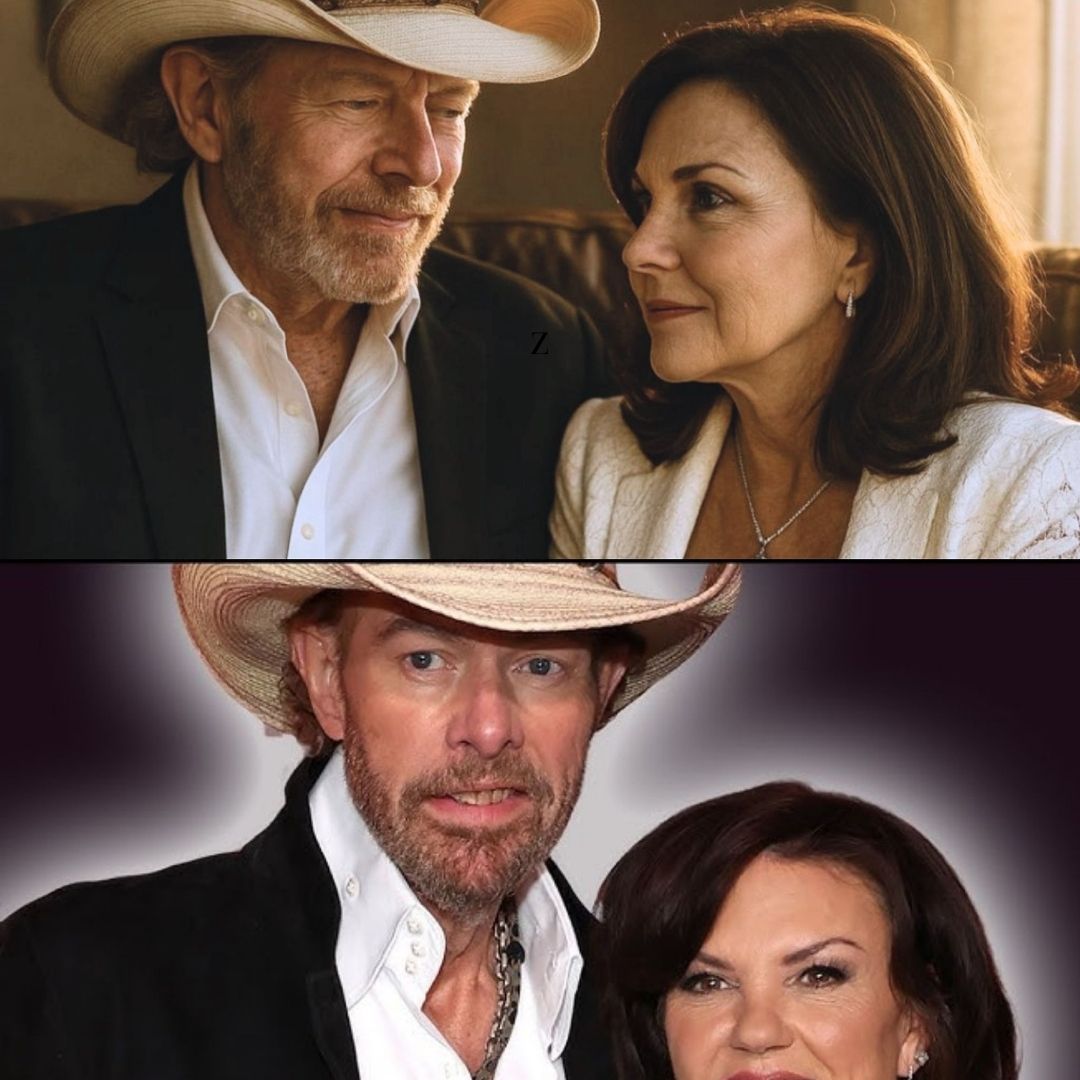
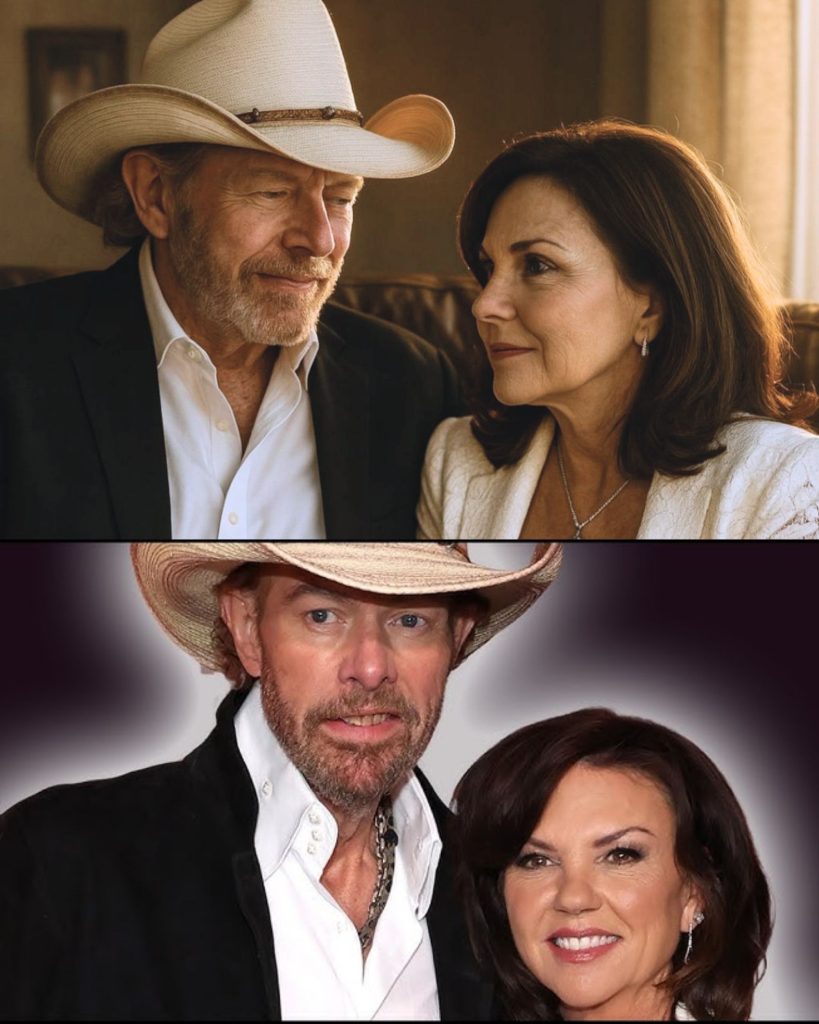
We’ve all had that one moment. You’re sitting next to someone you’ve known for years, maybe even just as friends. There’s laughter, familiar glances, a little too long of a pause—and then, unexpectedly, a kiss. That moment, when the line between “just friends” and something deeper starts to blur, is where Toby Keith takes us in You Shouldn’t Kiss Me Like This. I still remember hearing it on the radio for the first time, driving home late at night. The ache and tension in his voice pulled me right into that story, and I’ve carried the song with me ever since.

About The Composition

  • Title: You Shouldn’t Kiss Me Like This

  • Composer: Toby Keith

  • Premiere Date: October 30, 2000 (released as a single)

  • Album/Collection: How Do You Like Me Now?! (1999)

  • Genre: Country Ballad

Background

Written and recorded by Toby Keith, You Shouldn’t Kiss Me Like This was released as the fourth and final single from his 1999 breakthrough album How Do You Like Me Now?!. This was a pivotal time in Keith’s career; he had just split from Mercury Records and found new creative freedom under DreamWorks Nashville. The album marked a sharp turn toward more personal, emotionally charged songs—and this track is one of its most vulnerable.

While the title track was bold and defiant, You Shouldn’t Kiss Me Like This revealed Keith’s softer, more introspective side. The song went on to become a No. 1 hit on the Billboard Hot Country Singles & Tracks chart in early 2001, resonating deeply with listeners thanks to its raw honesty and universal theme of unexpected romantic tension.

Musical Style

The arrangement is gentle, letting the lyrics and emotional delivery take center stage. Built around a slow, simmering tempo, the song features acoustic guitar lines that create a sense of intimacy, with subtle steel guitar and piano flourishes that add depth without overwhelming the vocals. Keith’s voice—full of restrained yearning—guides the listener through the emotional arc of the song. Unlike the bravado in many of his other hits, here he chooses tenderness and hesitation, which adds a haunting realism.

Lyrics/Libretto

“You shouldn’t kiss me like this / Unless you mean it like that…”

These lines capture the heart of the story: a moment between two longtime friends when a kiss threatens to change everything. The lyrics are conversational yet poetic, balancing vulnerability with tension. There’s no dramatic confession—just an honest plea, full of quiet conflict and unspoken feelings. It’s about the complexity of love that sneaks up on you, and the fear that once a boundary is crossed, there’s no turning back. Keith’s restraint in the writing echoes the uncertainty we often feel in real life romantic shifts.

Performance History

The song quickly became a fan favorite, topping the country charts and cementing its place in Keith’s live setlists for years. It stood out among his catalog for its emotional weight and its appeal to listeners who connected with subtler stories of love. Keith’s performance at the 2001 Academy of Country Music Awards gave the song wider recognition, highlighting his ability to deliver a deeply felt ballad with conviction.

Cultural Impact

While You Shouldn’t Kiss Me Like This doesn’t have the crossover notoriety of some of Keith’s more patriotic or party-oriented songs, its cultural impact lies in its emotional authenticity. It’s often cited in lists of top country love songs and has become a staple at weddings and first dances—ironically, despite its lyrics warning against taking that leap. Its delicate exploration of the tension between friendship and romance resonates with fans across generations, especially those who’ve faced that exact moment in their own lives.

Legacy

Today, You Shouldn’t Kiss Me Like This remains one of Toby Keith’s most enduring ballads. In a catalog filled with larger-than-life anthems, this song reminds us of the subtle power of restraint. It speaks to a quieter, more reflective side of country music—a genre that, at its best, tells our most human stories without needing to shout. With Keith’s recent passing, fans have returned to songs like this to reconnect with the heart beneath the humor and bravado. And this track, especially, feels like a whispered memory that still lingers.

Conclusion

If you’ve never sat with You Shouldn’t Kiss Me Like This in a quiet room, I encourage you to do it tonight. Let it unfold slowly, like the story it tells. There are many recordings of it, but the album version—raw and unhurried—is still the one that hits hardest. It’s a reminder that love doesn’t always announce itself loudly; sometimes, it slips in with one kiss that changes everything.

Video

Related Post

THE STAGE WENT SILENT IN LAS VEGAS ON SUNDAY NIGHT. SIX DAYS LATER, THE SAME SINGER STOOD ON LIVE TELEVISION AND SANG TOM PETTY’S “I WON’T BACK DOWN.” The crowd at Route 91 Harvest did not know the last song would be interrupted by gunfire. It was October 1, 2017. Las Vegas. More than 22,000 people were packed into the festival grounds across from Mandalay Bay. Jason Aldean was onstage, closing the third night of the festival, doing what country stars do on nights like that — lights up, band loud, crowd singing back. Then the sound changed. At first, some people thought it was equipment. Then the band stopped. People started running. Aldean was rushed offstage. By the end of the night, 58 people were dead and hundreds more were injured. The shows after that were canceled. There was nothing normal to return to yet. Then Saturday came. Instead of opening Saturday Night Live with a sketch, the show opened with Jason Aldean standing under quiet studio lights. No joke. No big introduction. Just the man who had been on that Las Vegas stage less than a week earlier, looking into the camera and trying to speak for people still hurting. He said everyone was struggling to understand what had happened. Then the band started. Not one of his hits. Tom Petty’s “I Won’t Back Down.” Petty had died the day after the shooting. The song carried both losses into the same room. Aldean later released the performance to raise money for Las Vegas victims. That wasn’t a comeback performance. That was a country singer walking back to a microphone before the silence had even cleared.

ALABAMA’S FIRST RECORD DEAL DIDN’T MAKE THEM STARS. IT LOCKED THEM OUT OF RECORDING FOR TWO YEARS — UNTIL THREE COUSINS HAD TO BUY THEIR OWN WAY BACK INTO MUSIC. In 1977, they were still not the ALABAMA people would later pack arenas to see. They had just changed their name from Wildcountry. Randy Owen, Teddy Gentry, and Jeff Cook were still trying to climb out of bar gigs, road miles, and tip-jar nights when GRT Records offered them what looked like a break. A one-record contract. The single was “I Wanna Be with You Tonight.” It came out. It charted low. Not enough to change their lives. Not enough to make Nashville stop and stare. Then the part nobody dreams about happened. GRT went bankrupt. Buried in the contract was a clause that kept ALABAMA from recording for another label. So there they were — not famous enough to be free, not unknown enough to start over. For two years, they had to fight their way out. Not with headlines. With money. Shows. Waiting. Scraping together what they needed to buy back their own future. By 1979, they were recording again. They pushed “I Wanna Come Over” themselves, hiring independent radio promoters and sending handwritten letters to DJs and program directors across the country. No machine yet. No empire. Just three cousins trying to convince strangers to play the record. That grind led to MDJ Records. Then “My Home’s in Alabama.” Then RCA. Most fans remember the streak of No. 1 hits. But before the streak, ALABAMA nearly got buried by a record deal that barely worked — and had to buy their way out before the world ever knew what they sounded like.

You Missed

THE STAGE WENT SILENT IN LAS VEGAS ON SUNDAY NIGHT. SIX DAYS LATER, THE SAME SINGER STOOD ON LIVE TELEVISION AND SANG TOM PETTY’S “I WON’T BACK DOWN.” The crowd at Route 91 Harvest did not know the last song would be interrupted by gunfire. It was October 1, 2017. Las Vegas. More than 22,000 people were packed into the festival grounds across from Mandalay Bay. Jason Aldean was onstage, closing the third night of the festival, doing what country stars do on nights like that — lights up, band loud, crowd singing back. Then the sound changed. At first, some people thought it was equipment. Then the band stopped. People started running. Aldean was rushed offstage. By the end of the night, 58 people were dead and hundreds more were injured. The shows after that were canceled. There was nothing normal to return to yet. Then Saturday came. Instead of opening Saturday Night Live with a sketch, the show opened with Jason Aldean standing under quiet studio lights. No joke. No big introduction. Just the man who had been on that Las Vegas stage less than a week earlier, looking into the camera and trying to speak for people still hurting. He said everyone was struggling to understand what had happened. Then the band started. Not one of his hits. Tom Petty’s “I Won’t Back Down.” Petty had died the day after the shooting. The song carried both losses into the same room. Aldean later released the performance to raise money for Las Vegas victims. That wasn’t a comeback performance. That was a country singer walking back to a microphone before the silence had even cleared.

ALABAMA’S FIRST RECORD DEAL DIDN’T MAKE THEM STARS. IT LOCKED THEM OUT OF RECORDING FOR TWO YEARS — UNTIL THREE COUSINS HAD TO BUY THEIR OWN WAY BACK INTO MUSIC. In 1977, they were still not the ALABAMA people would later pack arenas to see. They had just changed their name from Wildcountry. Randy Owen, Teddy Gentry, and Jeff Cook were still trying to climb out of bar gigs, road miles, and tip-jar nights when GRT Records offered them what looked like a break. A one-record contract. The single was “I Wanna Be with You Tonight.” It came out. It charted low. Not enough to change their lives. Not enough to make Nashville stop and stare. Then the part nobody dreams about happened. GRT went bankrupt. Buried in the contract was a clause that kept ALABAMA from recording for another label. So there they were — not famous enough to be free, not unknown enough to start over. For two years, they had to fight their way out. Not with headlines. With money. Shows. Waiting. Scraping together what they needed to buy back their own future. By 1979, they were recording again. They pushed “I Wanna Come Over” themselves, hiring independent radio promoters and sending handwritten letters to DJs and program directors across the country. No machine yet. No empire. Just three cousins trying to convince strangers to play the record. That grind led to MDJ Records. Then “My Home’s in Alabama.” Then RCA. Most fans remember the streak of No. 1 hits. But before the streak, ALABAMA nearly got buried by a record deal that barely worked — and had to buy their way out before the world ever knew what they sounded like.