Hinh website 2025 07 22T090518.193
“Scroll down to the end of the article to listen to music.”

Introduction

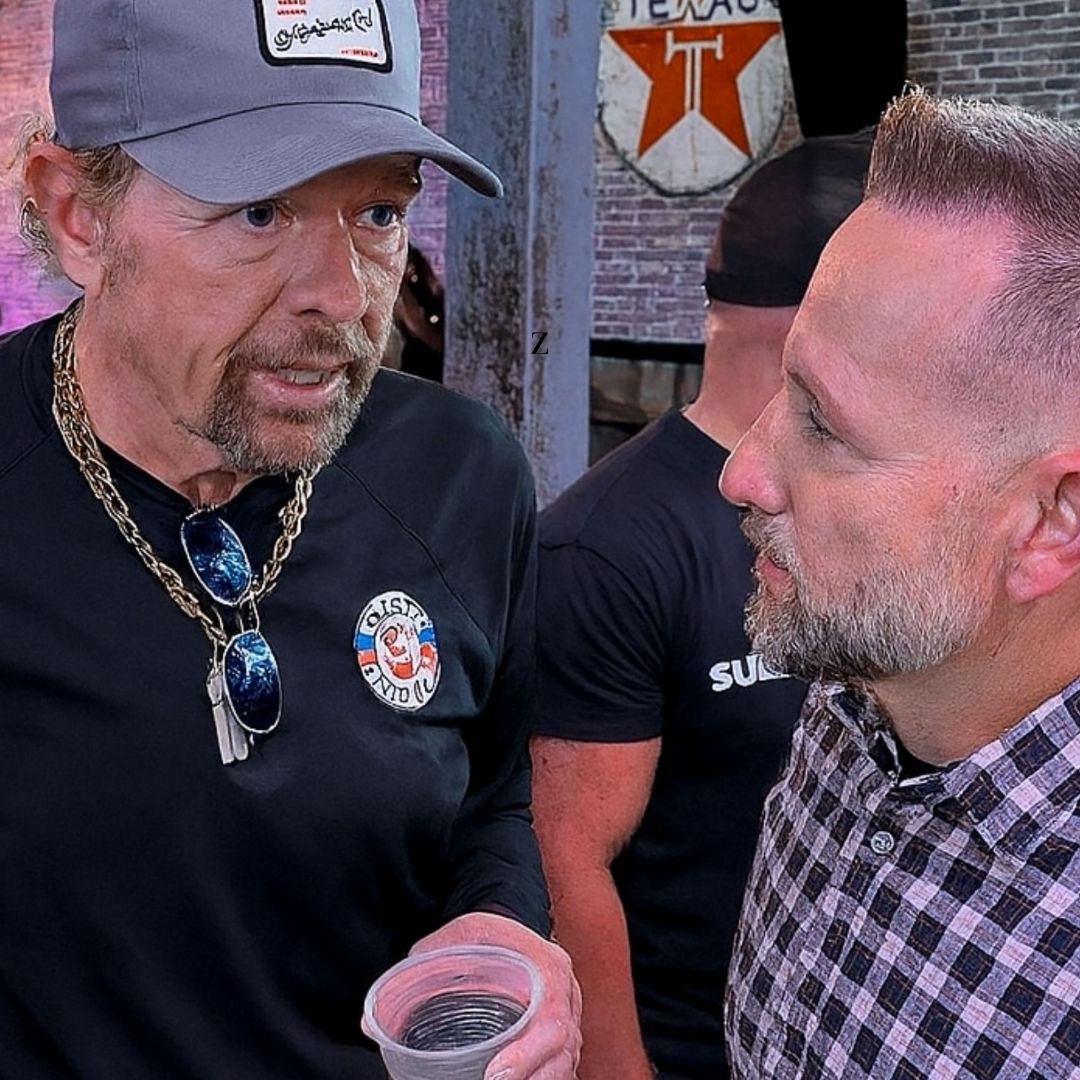
I remember my uncle at a family BBQ one summer, grinning ear to ear as he raised a cold beer and toasted to “still being dangerous in small doses.” He was in his fifties, back aching from yard work, but still talking smack like he was 25. That was the first time I truly heard Toby Keith’s “As Good as I Once Was.” It wasn’t just a country hit—it was a mirror. A funny, honest, and surprisingly tender anthem for every man learning to age with swagger instead of sorrow.

About the Composition

  • Title: As Good as I Once Was

  • Composer(s): Toby Keith and Scotty Emerick

  • Premiere Date: Released May 9, 2005

  • Album/Collection: Honkytonk University

  • Genre: Country (Contemporary/Neo-traditional)

Background

Written by Toby Keith and his longtime collaborator Scotty Emerick, “As Good as I Once Was” was released as the second single from Keith’s 2005 album Honkytonk University. At the time, Keith was already a household name, known for his rowdy persona and patriotic hits—but this song introduced a new layer to his artistry.

The inspiration sprang from something deeply relatable: aging with pride and humor. The song’s character doesn’t deny the years creeping up on him. Instead, he leans into it with a wink—acknowledging that while he may not have the stamina he once did, he still has the heart.

Upon release, the track struck a chord across generations. It topped the Billboard Hot Country Songs chart for six weeks, becoming one of Keith’s signature songs and further cementing his legacy as one of the genre’s boldest voices.

Musical Style

Musically, the song is rooted in a classic country groove—steady drum lines, subtle fiddle, and twangy electric guitar. It’s not overly polished or layered, which works in its favor. The stripped-down arrangement gives space for Keith’s voice—gritty, warm, and full of character—to shine through.

The composition relies on a conversational rhythm, echoing the storytelling roots of country music. There’s a certain ease to the tempo that mirrors the narrator’s confidence, even as he admits his limitations.

Lyrics / Libretto

The brilliance of the lyrics lies in their duality: they’re hilarious and humble at once. The narrator spins tales of past barroom brawls and bedroom escapades, only to admit that now, those same challenges leave him winded.

Lines like “I ain’t as good as I once was / But I’m as good once as I ever was” are more than clever wordplay—they’re a declaration of dignity. The song captures the delicate balance between bravado and vulnerability, making it not just funny, but surprisingly touching.

Performance History

Since its release, “As Good as I Once Was” has been a staple in Toby Keith’s live performances, often delivered with theatrical flair and crowd participation. It became a fan favorite on tours and was featured prominently in his Big Dog Daddy and That Don’t Make Me a Bad Guy era shows.

It’s also one of the most requested songs at country bars and dance halls—proof that it resonates far beyond the radio charts.

Cultural Impact

The song quickly became more than a hit—it became a cultural catchphrase. It’s been referenced in everything from comedy sketches to retirement party toasts. For middle-aged men (and women) across America, it’s a humorous badge of honor, capturing the bittersweet truth of getting older with style.

Beyond that, it showcased Toby Keith’s depth as a songwriter. Known for patriotic and beer-drinking anthems, this track reminded audiences that he could also laugh at himself—and let others do the same.

Legacy

Two decades later, “As Good as I Once Was” still feels fresh. It’s been streamed millions of times, covered by local bar bands, and quoted by everyone from dads to stand-up comics. The message—about aging, resilience, and laughing through life’s aches—hasn’t aged a day.

In a way, this song is as good as it once was—and maybe even better now that so many listeners have grown into it.

Conclusion

Whether you’re pushing 30 or 70, “As Good as I Once Was” offers a chuckle, a nod, and maybe a little inspiration to keep showing up—even if only for one good round. For a great recording, revisit the original 2005 version, or watch Keith’s live performance at the People’s Choice Country Awards 2023—his final performance, and one that brought the lyrics full circle in a way that left no dry eyes in the house.

Give it a listen. Raise a glass. And remember: you might not be as good as you once were… but there’s still fire in the tank for something unforgettable.

Video

Lyrics

She said I seen you in here before
I said I been here a time or two
She said “Hello my name is Bobby Jo,
Meet my twin sister Betty Lou
And we’re both feelin’ kinda wild tonight
You’re the only cowboy in this place
And if you’re up for a rodeo
I’ll put a big Texas smile on your face”
I said “Girls…”
I ain’t as good as I once was
I got a few years on me now
But there was a time, back in my prime
When I could really lay it down
If you need some love tonight
Then I might have just enough
I ain’t as good as I once was, but I’m as good once
As I ever was
I still hang out with my best friend Dave
I’ve known him since we were kids at school
Last night he had a few shots, got in a tight spot
Hustlin’ a game of pool
With a couple of redneck boys
One great big fat biker man
I heard David yell across the room
“Hey buddy, how ’bout a helpin’ hand”
I said “Dave…”
I ain’t as good as I once was
My how the years have flown
But there was a time, back in my prime
When I could really hold my own
If you want to fight tonight
Guess them boys don’t look all that tough
I ain’t as good as I once was, but I’m as good once
As I ever was
I used to be hell on wheels
Back when I was a younger man
Now my body says “You can’t do this boy”
But my pride says “Oh yes, you can”
I ain’t as good as I once was
That’s just the cold hard truth
I still throw a few back, talk a little smack
When I’m feelin’ bullet proof
So don’t double-dog dare me now
‘Cause I’d have to call your bluff
I ain’t as good as I once was, but I’m as good once
As I ever was
May not be good as I once was, but I’m as good once
As I ever was

Related Post

THE STAGE WENT SILENT IN LAS VEGAS ON SUNDAY NIGHT. SIX DAYS LATER, THE SAME SINGER STOOD ON LIVE TELEVISION AND SANG TOM PETTY’S “I WON’T BACK DOWN.” The crowd at Route 91 Harvest did not know the last song would be interrupted by gunfire. It was October 1, 2017. Las Vegas. More than 22,000 people were packed into the festival grounds across from Mandalay Bay. Jason Aldean was onstage, closing the third night of the festival, doing what country stars do on nights like that — lights up, band loud, crowd singing back. Then the sound changed. At first, some people thought it was equipment. Then the band stopped. People started running. Aldean was rushed offstage. By the end of the night, 58 people were dead and hundreds more were injured. The shows after that were canceled. There was nothing normal to return to yet. Then Saturday came. Instead of opening Saturday Night Live with a sketch, the show opened with Jason Aldean standing under quiet studio lights. No joke. No big introduction. Just the man who had been on that Las Vegas stage less than a week earlier, looking into the camera and trying to speak for people still hurting. He said everyone was struggling to understand what had happened. Then the band started. Not one of his hits. Tom Petty’s “I Won’t Back Down.” Petty had died the day after the shooting. The song carried both losses into the same room. Aldean later released the performance to raise money for Las Vegas victims. That wasn’t a comeback performance. That was a country singer walking back to a microphone before the silence had even cleared.

ALABAMA’S FIRST RECORD DEAL DIDN’T MAKE THEM STARS. IT LOCKED THEM OUT OF RECORDING FOR TWO YEARS — UNTIL THREE COUSINS HAD TO BUY THEIR OWN WAY BACK INTO MUSIC. In 1977, they were still not the ALABAMA people would later pack arenas to see. They had just changed their name from Wildcountry. Randy Owen, Teddy Gentry, and Jeff Cook were still trying to climb out of bar gigs, road miles, and tip-jar nights when GRT Records offered them what looked like a break. A one-record contract. The single was “I Wanna Be with You Tonight.” It came out. It charted low. Not enough to change their lives. Not enough to make Nashville stop and stare. Then the part nobody dreams about happened. GRT went bankrupt. Buried in the contract was a clause that kept ALABAMA from recording for another label. So there they were — not famous enough to be free, not unknown enough to start over. For two years, they had to fight their way out. Not with headlines. With money. Shows. Waiting. Scraping together what they needed to buy back their own future. By 1979, they were recording again. They pushed “I Wanna Come Over” themselves, hiring independent radio promoters and sending handwritten letters to DJs and program directors across the country. No machine yet. No empire. Just three cousins trying to convince strangers to play the record. That grind led to MDJ Records. Then “My Home’s in Alabama.” Then RCA. Most fans remember the streak of No. 1 hits. But before the streak, ALABAMA nearly got buried by a record deal that barely worked — and had to buy their way out before the world ever knew what they sounded like.

You Missed

THE STAGE WENT SILENT IN LAS VEGAS ON SUNDAY NIGHT. SIX DAYS LATER, THE SAME SINGER STOOD ON LIVE TELEVISION AND SANG TOM PETTY’S “I WON’T BACK DOWN.” The crowd at Route 91 Harvest did not know the last song would be interrupted by gunfire. It was October 1, 2017. Las Vegas. More than 22,000 people were packed into the festival grounds across from Mandalay Bay. Jason Aldean was onstage, closing the third night of the festival, doing what country stars do on nights like that — lights up, band loud, crowd singing back. Then the sound changed. At first, some people thought it was equipment. Then the band stopped. People started running. Aldean was rushed offstage. By the end of the night, 58 people were dead and hundreds more were injured. The shows after that were canceled. There was nothing normal to return to yet. Then Saturday came. Instead of opening Saturday Night Live with a sketch, the show opened with Jason Aldean standing under quiet studio lights. No joke. No big introduction. Just the man who had been on that Las Vegas stage less than a week earlier, looking into the camera and trying to speak for people still hurting. He said everyone was struggling to understand what had happened. Then the band started. Not one of his hits. Tom Petty’s “I Won’t Back Down.” Petty had died the day after the shooting. The song carried both losses into the same room. Aldean later released the performance to raise money for Las Vegas victims. That wasn’t a comeback performance. That was a country singer walking back to a microphone before the silence had even cleared.

ALABAMA’S FIRST RECORD DEAL DIDN’T MAKE THEM STARS. IT LOCKED THEM OUT OF RECORDING FOR TWO YEARS — UNTIL THREE COUSINS HAD TO BUY THEIR OWN WAY BACK INTO MUSIC. In 1977, they were still not the ALABAMA people would later pack arenas to see. They had just changed their name from Wildcountry. Randy Owen, Teddy Gentry, and Jeff Cook were still trying to climb out of bar gigs, road miles, and tip-jar nights when GRT Records offered them what looked like a break. A one-record contract. The single was “I Wanna Be with You Tonight.” It came out. It charted low. Not enough to change their lives. Not enough to make Nashville stop and stare. Then the part nobody dreams about happened. GRT went bankrupt. Buried in the contract was a clause that kept ALABAMA from recording for another label. So there they were — not famous enough to be free, not unknown enough to start over. For two years, they had to fight their way out. Not with headlines. With money. Shows. Waiting. Scraping together what they needed to buy back their own future. By 1979, they were recording again. They pushed “I Wanna Come Over” themselves, hiring independent radio promoters and sending handwritten letters to DJs and program directors across the country. No machine yet. No empire. Just three cousins trying to convince strangers to play the record. That grind led to MDJ Records. Then “My Home’s in Alabama.” Then RCA. Most fans remember the streak of No. 1 hits. But before the streak, ALABAMA nearly got buried by a record deal that barely worked — and had to buy their way out before the world ever knew what they sounded like.