
Hinh website 2025 07 11T170931.984
“Scroll down to the end of the article to listen to music.”

Introduction

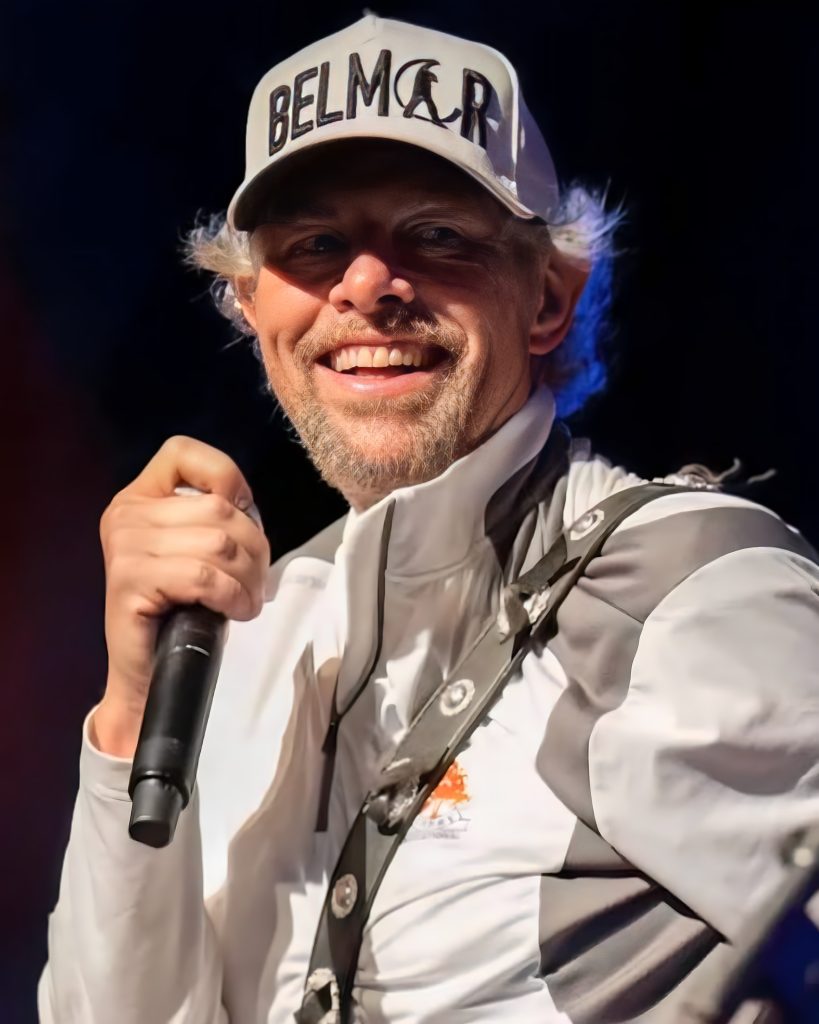
I remember my uncle at a family BBQ one summer, grinning ear to ear as he raised a cold beer and toasted to “still being dangerous in small doses.” He was in his fifties, back aching from yard work, but still talking smack like he was 25. That was the first time I truly heard Toby Keith’s “As Good as I Once Was.” It wasn’t just a country hit—it was a mirror. A funny, honest, and surprisingly tender anthem for every man learning to age with swagger instead of sorrow.

About the Composition

  • Title: As Good as I Once Was

  • Composer(s): Toby Keith and Scotty Emerick

  • Premiere Date: Released May 9, 2005

  • Album/Collection: Honkytonk University

  • Genre: Country (Contemporary/Neo-traditional)

Background

Written by Toby Keith and his longtime collaborator Scotty Emerick, “As Good as I Once Was” was released as the second single from Keith’s 2005 album Honkytonk University. At the time, Keith was already a household name, known for his rowdy persona and patriotic hits—but this song introduced a new layer to his artistry.

The inspiration sprang from something deeply relatable: aging with pride and humor. The song’s character doesn’t deny the years creeping up on him. Instead, he leans into it with a wink—acknowledging that while he may not have the stamina he once did, he still has the heart.

Upon release, the track struck a chord across generations. It topped the Billboard Hot Country Songs chart for six weeks, becoming one of Keith’s signature songs and further cementing his legacy as one of the genre’s boldest voices.

Musical Style

Musically, the song is rooted in a classic country groove—steady drum lines, subtle fiddle, and twangy electric guitar. It’s not overly polished or layered, which works in its favor. The stripped-down arrangement gives space for Keith’s voice—gritty, warm, and full of character—to shine through.

The composition relies on a conversational rhythm, echoing the storytelling roots of country music. There’s a certain ease to the tempo that mirrors the narrator’s confidence, even as he admits his limitations.

Lyrics / Libretto

The brilliance of the lyrics lies in their duality: they’re hilarious and humble at once. The narrator spins tales of past barroom brawls and bedroom escapades, only to admit that now, those same challenges leave him winded.

Lines like “I ain’t as good as I once was / But I’m as good once as I ever was” are more than clever wordplay—they’re a declaration of dignity. The song captures the delicate balance between bravado and vulnerability, making it not just funny, but surprisingly touching.

Performance History

Since its release, “As Good as I Once Was” has been a staple in Toby Keith’s live performances, often delivered with theatrical flair and crowd participation. It became a fan favorite on tours and was featured prominently in his Big Dog Daddy and That Don’t Make Me a Bad Guy era shows.

It’s also one of the most requested songs at country bars and dance halls—proof that it resonates far beyond the radio charts.

Cultural Impact

The song quickly became more than a hit—it became a cultural catchphrase. It’s been referenced in everything from comedy sketches to retirement party toasts. For middle-aged men (and women) across America, it’s a humorous badge of honor, capturing the bittersweet truth of getting older with style.

Beyond that, it showcased Toby Keith’s depth as a songwriter. Known for patriotic and beer-drinking anthems, this track reminded audiences that he could also laugh at himself—and let others do the same.

Legacy

Two decades later, “As Good as I Once Was” still feels fresh. It’s been streamed millions of times, covered by local bar bands, and quoted by everyone from dads to stand-up comics. The message—about aging, resilience, and laughing through life’s aches—hasn’t aged a day.

In a way, this song is as good as it once was—and maybe even better now that so many listeners have grown into it.

Conclusion

Whether you’re pushing 30 or 70, “As Good as I Once Was” offers a chuckle, a nod, and maybe a little inspiration to keep showing up—even if only for one good round. For a great recording, revisit the original 2005 version, or watch Keith’s live performance at the People’s Choice Country Awards 2023—his final performance, and one that brought the lyrics full circle in a way that left no dry eyes in the house.

Give it a listen. Raise a glass. And remember: you might not be as good as you once were… but there’s still fire in the tank for something unforgettable.

Video

Lyrics

She said I seen you in here before
I said I been here a time or two
She said “Hello my name is Bobby Jo,
Meet my twin sister Betty Lou
And we’re both feelin’ kinda wild tonight
You’re the only cowboy in this place
And if you’re up for a rodeo
I’ll put a big Texas smile on your face”
I said “Girls…”
I ain’t as good as I once was
I got a few years on me now
But there was a time, back in my prime
When I could really lay it down
If you need some love tonight
Then I might have just enough
I ain’t as good as I once was, but I’m as good once
As I ever was
I still hang out with my best friend Dave
I’ve known him since we were kids at school
Last night he had a few shots, got in a tight spot
Hustlin’ a game of pool
With a couple of redneck boys
One great big fat biker man
I heard David yell across the room
“Hey buddy, how ’bout a helpin’ hand”
I said “Dave…”
I ain’t as good as I once was
My how the years have flown
But there was a time, back in my prime
When I could really hold my own
If you want to fight tonight
Guess them boys don’t look all that tough
I ain’t as good as I once was, but I’m as good once
As I ever was
I used to be hell on wheels
Back when I was a younger man
Now my body says “You can’t do this boy”
But my pride says “Oh yes, you can”
I ain’t as good as I once was
That’s just the cold hard truth
I still throw a few back, talk a little smack
When I’m feelin’ bullet proof
So don’t double-dog dare me now
‘Cause I’d have to call your bluff
I ain’t as good as I once was, but I’m as good once
As I ever was
May not be good as I once was, but I’m as good once
As I ever was

Related Post

IN 1995, TY HERNDON HAD A NO. 1 RECORD ON COUNTRY RADIO. THEN, IN THE SAME YEAR, HE WAS FORCED INTO REHAB WHILE NASHVILLE WAITED TO SEE IF HE WOULD COME BACK. Before “What Mattered Most,” Ty Herndon had spent years trying to get country music to give him a place. He sang gospel as a boy in Alabama. He worked Texas clubs. He chased auditions, sang on Star Search, joined the Tennessee River Boys, and kept moving through rooms where a singer could be talented and still go home without a contract. Epic Records finally signed him in 1993. Two years later, the title song from his debut album went to No. 1. For a moment, everything looked like the beginning he had been waiting for. Then June 1995 came. Herndon was arrested in Fort Worth after an undercover police sting. Authorities also found methamphetamine when he was taken into custody. The headlines did not care that he had just made one of the biggest new-country records of the year. They did not care about the years of waiting, the clubs, the demo tapes, or the first chart-topper. Ty entered treatment. The exposure charge was dropped under a plea agreement, and he was sentenced to probation, community service, and drug rehabilitation. But the real damage was not something a courtroom could measure. The record business had given him a stage. Addiction and shame had already started trying to take it away. He did not disappear. “I Want My Goodbye Back” reached the Top 10. “Living in a Moment” followed. Then came “It Must Be Love,” “Hands of a Working Man,” and years of touring through a career that never again looked as simple as it had on the day “What Mattered Most” reached No. 1. Decades later, Ty began speaking openly about the parts of his life he had spent years trying to hide: addiction, mental-health struggles, trauma, faith, and the cost of living as someone country music had not always made room for. But the first public break came when the hit was still climbing. A singer had finally reached the top of the chart. And then had to fight to stay alive long enough to sing another song.

15,000 TURKEYS. 135,000 MEALS. NOW EVERY THANKSGIVING, TRACY LAWRENCE SPENDS FEEDING PEOPLE WITH NOWHERE TO GO. In 1991, Tracy Lawrence was still waiting for country music to decide whether he had a future. He had just finished the vocals for his first album when three men cornered him outside a Nashville hotel. Tracy tried to protect the woman with him long enough for her to get away. Then the shots came. Four bullets. Surgeries. A long recovery. A debut record delayed while the singer who had come to Nashville for one chance was trying to walk normally again. “Sticks and Stones” still made it out. The song went to No. 1 in early 1992. Tracy became one of the voices of 1990s country. There were more hits, more tours, more years on the road. But Nashville had also shown him how quickly a person could lose the ordinary things people take for granted: safety, health, a place to go at night, the feeling that tomorrow was promised. In 2006, he and a few friends bought some turkey fryers, gathered in a parking lot, and started cooking. The idea was simple. Fry turkeys. Take hot meals to homeless camps and shelters around Middle Tennessee. No big launch. No speech about legacy. Just oil, smoke, volunteers, food trucks, and people carrying meals toward those who had nowhere else to be during Thanksgiving week. Then it kept growing. The Mission Turkey Fry became an annual Nashville event. Country singers showed up. Volunteers filled the fairgrounds. Benefit concerts were added at night. The fryers kept going long after the cameras had moved on. By 2025, Mission had fried more than 15,000 turkeys, shared over 135,000 meals, and donated more than $1.3 million to Nashville Rescue Mission. That is a long way from the parking lot where Tracy Lawrence nearly lost the career before it began.

THE FOUNDRY CLOSED. JOE DIFFIE SOLD HIS STUDIO, LOST HIS MARRIAGE, AND WENT TO NASHVILLE WITH TWO CHILDREN WAITING BACK HOME. He worked oil fields. He drove a concrete-pump truck in Texas. Then he went back to Duncan, Oklahoma, and took a job at an iron foundry. At night, he sang in a gospel group and played bluegrass with a band called Special Edition. He built a small recording studio because sending demos to Nashville was the closest thing he had to a plan. Then the foundry closed in 1986. Joe lost the job. The money ran out. He filed for bankruptcy and sold the studio he had built to keep the dream alive. Around the same time, his first marriage ended. His wife left with their two children, and Joe spent months trying to figure out what was left of the life he thought he was building. Then he packed for Nashville. There was no record deal waiting there. Joe took a warehouse job at Gibson Guitar, loading and unloading instruments during the day. At night, he wrote songs, sang demos, and looked for anybody willing to listen. A neighbor named Johnny Neal helped him get closer to publishing work. Hank Thompson recorded one of Joe’s songs, “Love on the Rocks.” Holly Dunn recorded “There Goes My Heart Again,” and Joe sang harmony on it. The checks were small at first. But they proved something. By 1990, Epic Records signed him. His first single was “Home,” a song about a man looking down a long road and realizing the place he misses most is not somewhere he can drive back to. It went to No. 1. The man who had sold his own studio, lost his job, and left Oklahoma with two children still back home had made his first record a hit before country radio had even learned what to expect from him. Then came “If the Devil Danced (In Empty Pockets).” “Third Rock from the Sun.” “Pickup Man.” “John Deere Green.” But before Joe Diffie became one of the voices people heard coming through pickup-truck speakers all through the 1990s, he was a man standing in a Gibson warehouse, trying to believe that losing everything had not been the end of the song.

You Missed

IN 1995, TY HERNDON HAD A NO. 1 RECORD ON COUNTRY RADIO. THEN, IN THE SAME YEAR, HE WAS FORCED INTO REHAB WHILE NASHVILLE WAITED TO SEE IF HE WOULD COME BACK. Before “What Mattered Most,” Ty Herndon had spent years trying to get country music to give him a place. He sang gospel as a boy in Alabama. He worked Texas clubs. He chased auditions, sang on Star Search, joined the Tennessee River Boys, and kept moving through rooms where a singer could be talented and still go home without a contract. Epic Records finally signed him in 1993. Two years later, the title song from his debut album went to No. 1. For a moment, everything looked like the beginning he had been waiting for. Then June 1995 came. Herndon was arrested in Fort Worth after an undercover police sting. Authorities also found methamphetamine when he was taken into custody. The headlines did not care that he had just made one of the biggest new-country records of the year. They did not care about the years of waiting, the clubs, the demo tapes, or the first chart-topper. Ty entered treatment. The exposure charge was dropped under a plea agreement, and he was sentenced to probation, community service, and drug rehabilitation. But the real damage was not something a courtroom could measure. The record business had given him a stage. Addiction and shame had already started trying to take it away. He did not disappear. “I Want My Goodbye Back” reached the Top 10. “Living in a Moment” followed. Then came “It Must Be Love,” “Hands of a Working Man,” and years of touring through a career that never again looked as simple as it had on the day “What Mattered Most” reached No. 1. Decades later, Ty began speaking openly about the parts of his life he had spent years trying to hide: addiction, mental-health struggles, trauma, faith, and the cost of living as someone country music had not always made room for. But the first public break came when the hit was still climbing. A singer had finally reached the top of the chart. And then had to fight to stay alive long enough to sing another song.

15,000 TURKEYS. 135,000 MEALS. NOW EVERY THANKSGIVING, TRACY LAWRENCE SPENDS FEEDING PEOPLE WITH NOWHERE TO GO. In 1991, Tracy Lawrence was still waiting for country music to decide whether he had a future. He had just finished the vocals for his first album when three men cornered him outside a Nashville hotel. Tracy tried to protect the woman with him long enough for her to get away. Then the shots came. Four bullets. Surgeries. A long recovery. A debut record delayed while the singer who had come to Nashville for one chance was trying to walk normally again. “Sticks and Stones” still made it out. The song went to No. 1 in early 1992. Tracy became one of the voices of 1990s country. There were more hits, more tours, more years on the road. But Nashville had also shown him how quickly a person could lose the ordinary things people take for granted: safety, health, a place to go at night, the feeling that tomorrow was promised. In 2006, he and a few friends bought some turkey fryers, gathered in a parking lot, and started cooking. The idea was simple. Fry turkeys. Take hot meals to homeless camps and shelters around Middle Tennessee. No big launch. No speech about legacy. Just oil, smoke, volunteers, food trucks, and people carrying meals toward those who had nowhere else to be during Thanksgiving week. Then it kept growing. The Mission Turkey Fry became an annual Nashville event. Country singers showed up. Volunteers filled the fairgrounds. Benefit concerts were added at night. The fryers kept going long after the cameras had moved on. By 2025, Mission had fried more than 15,000 turkeys, shared over 135,000 meals, and donated more than $1.3 million to Nashville Rescue Mission. That is a long way from the parking lot where Tracy Lawrence nearly lost the career before it began.

THE FOUNDRY CLOSED. JOE DIFFIE SOLD HIS STUDIO, LOST HIS MARRIAGE, AND WENT TO NASHVILLE WITH TWO CHILDREN WAITING BACK HOME. He worked oil fields. He drove a concrete-pump truck in Texas. Then he went back to Duncan, Oklahoma, and took a job at an iron foundry. At night, he sang in a gospel group and played bluegrass with a band called Special Edition. He built a small recording studio because sending demos to Nashville was the closest thing he had to a plan. Then the foundry closed in 1986. Joe lost the job. The money ran out. He filed for bankruptcy and sold the studio he had built to keep the dream alive. Around the same time, his first marriage ended. His wife left with their two children, and Joe spent months trying to figure out what was left of the life he thought he was building. Then he packed for Nashville. There was no record deal waiting there. Joe took a warehouse job at Gibson Guitar, loading and unloading instruments during the day. At night, he wrote songs, sang demos, and looked for anybody willing to listen. A neighbor named Johnny Neal helped him get closer to publishing work. Hank Thompson recorded one of Joe’s songs, “Love on the Rocks.” Holly Dunn recorded “There Goes My Heart Again,” and Joe sang harmony on it. The checks were small at first. But they proved something. By 1990, Epic Records signed him. His first single was “Home,” a song about a man looking down a long road and realizing the place he misses most is not somewhere he can drive back to. It went to No. 1. The man who had sold his own studio, lost his job, and left Oklahoma with two children still back home had made his first record a hit before country radio had even learned what to expect from him. Then came “If the Devil Danced (In Empty Pockets).” “Third Rock from the Sun.” “Pickup Man.” “John Deere Green.” But before Joe Diffie became one of the voices people heard coming through pickup-truck speakers all through the 1990s, he was a man standing in a Gibson warehouse, trying to believe that losing everything had not been the end of the song.

THE FIRST TIME RANDY TRAVIS RELEASED “ON THE OTHER HAND,” IT STOPPED AT NO. 67. A YEAR LATER, THE SAME SONG WENT TO NO. 1 AND HELPED PULL COUNTRY MUSIC BACK TOWARD HOME. Before Randy Travis became the deep voice behind “Forever and Ever, Amen,” he was Randy Traywick, a troubled teenager from North Carolina who kept finding his way into courtrooms, jail cells, and trouble he was too young to understand how to leave behind. He had dropped out of school. He had been arrested more than once. He could sing, but singing was not enough to keep a life together. Then Lib Hatcher, who owned a Charlotte nightclub called Country City U.S.A., heard him. She gave him a place to work. She gave him a bandstand. When one judge was ready to send Randy back into the system, Lib promised she would take responsibility for him. For a while, he lived above the club. At night, he sang for people drinking beer under neon lights. He learned the old songs. George Jones. Lefty Frizzell. Merle Haggard. He did not have the polished sound Nashville was chasing in the early 1980s. His voice was low, slow, and traditional. It sounded like it belonged to a country radio station from twenty years earlier. Lib took him to Nashville. Warner Bros. signed him. They changed his name from Randy Traywick to Randy Travis. Then came “On the Other Hand.” Released in July 1985, the song barely moved. It stopped at No. 67. For a new singer, that kind of first single could close a door before anybody had learned your name. Warner released “1982” next. That one climbed to No. 6. Radio programmers started hearing something in him. Fans started asking for the first song again. So Warner put “On the Other Hand” back out in April 1986. This time, it did not stop. By July, it was No. 1. The song was small by country standards: a married man standing at a bar, tempted by another woman, then feeling his wedding ring in his hand. But Randy sang it without trying to make it modern. He let the guilt stay quiet. He let the steel guitar breathe. He made a new generation of listeners hear what country music had sounded like before it started running from its own past. Then came Storms of Life. Then “Forever and Ever, Amen.” Then seven straight No. 1 singles. But before Randy Travis became the man who helped open the door for Alan Jackson, Clint Black, and a whole new traditional country wave, he was a singer whose first record had failed. And one woman in North Carolina had refused to let that failure be the last thing anybody heard from him.