
Introduction
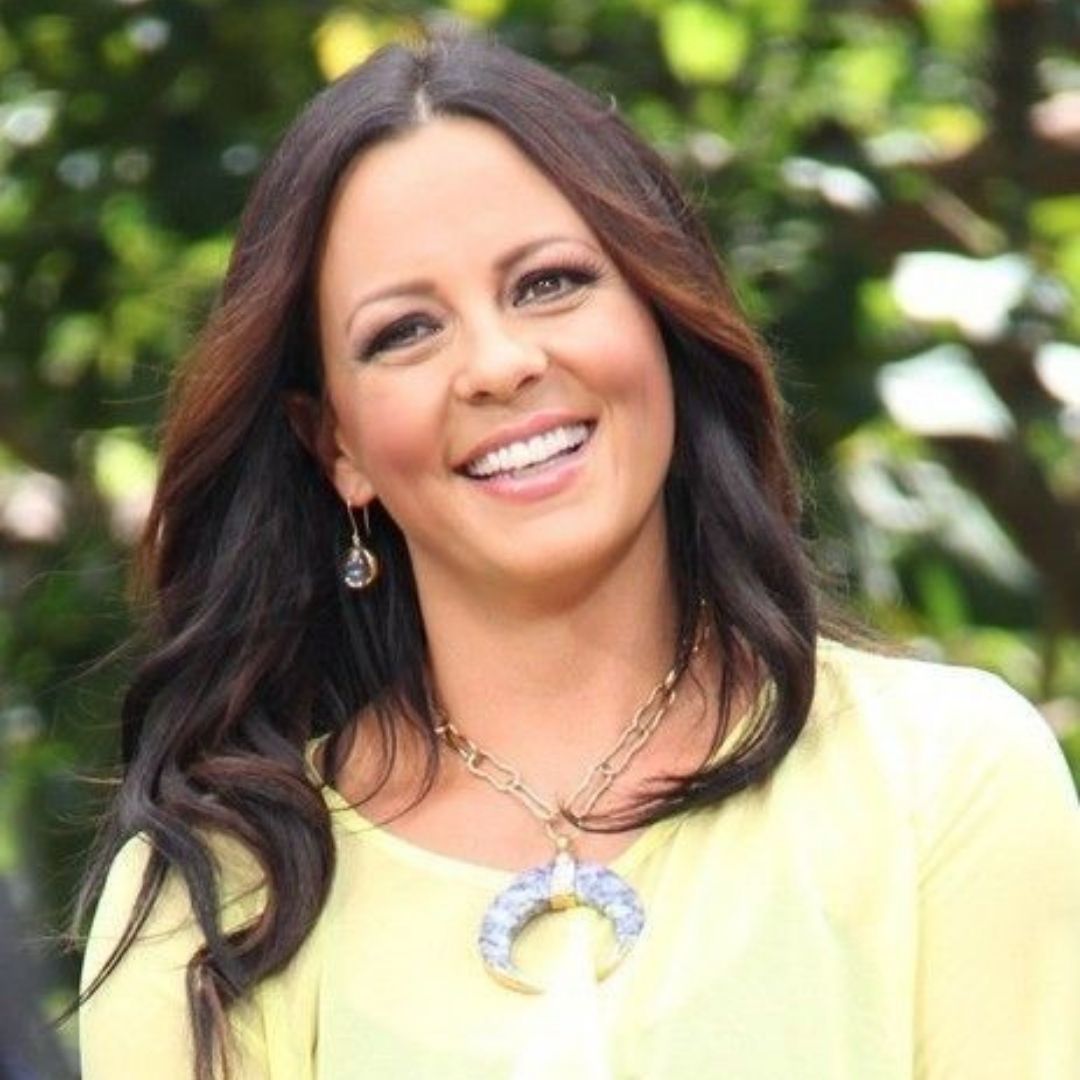
I remember the first time I heard “A Little Bit Stronger” by Sara Evans—it was a rainy afternoon, and I was nursing a broken heart, flipping through radio stations in search of something to lift my spirits. When her voice came through the speakers, raw yet resilient, it felt like she was singing my story. That moment stuck with me, not just because of my own circumstances, but because the song captured a universal truth about healing. Written in the wake of personal turmoil by its co-writers, this piece resonates with anyone who’s ever had to pick themselves up and keep going.
About The Composition
- Title: A Little Bit Stronger
- Composers: Luke Laird, Hillary Lindsey, Hillary Scott
- Premiere Date: Released as a single on September 27, 2010
- Album/Opus/Collection: Featured on Sara Evans’ sixth studio album, Stronger (2011), and the soundtrack for the 2010 film Country Strong
- Genre: Country (Mid-tempo country ballad)
Background
“A Little Bit Stronger” emerged from a deeply personal place. Co-writer Hillary Scott, of Lady Antebellum fame, drew inspiration from her own breakup, channeling the pain and subsequent strength into the lyrics alongside Luke Laird and Hillary Lindsey. Recorded by Sara Evans and released in September 2010, the song marked her return to music after a hiatus following her divorce from Craig Schelske. Its inclusion on both her album Stronger and the Country Strong soundtrack amplified its reach. Upon release, it climbed to number one on the U.S. Billboard Hot Country Songs chart in May 2011—Evans’ fifth and final chart-topper—earning Platinum certification from the RIAA. Critics praised its authenticity, with Blake Boldt of Engine 145 lauding its “organic vocal” and subtle instrumentation. For Evans, it became a cornerstone of her repertoire, symbolizing her personal and artistic resurgence.
Musical Style
This mid-tempo country ballad is defined by its understated yet emotive arrangement. Backed by mandolin, steel guitar, piano, and percussion, the instrumentation creates a warm, introspective soundscape that complements Evans’ vocal delivery. The structure follows a classic verse-chorus pattern, building gradually to a cathartic release in the chorus: “I get a little bit stronger.” The use of steel guitar adds a traditional country flourish, while the piano lends a reflective tone, mirroring the lyrics’ journey from vulnerability to empowerment. Hillary Scott’s harmony vocals weave seamlessly into the mix, enhancing the song’s emotional depth without overshadowing Evans. It’s a masterclass in restraint—every note and chord serves the story.
Lyrics/Libretto
The lyrics of “A Little Bit Stronger” tell a relatable tale of resilience. The narrator navigates her daily routine—waking up late, driving to work, hearing a song on the radio—only to be ambushed by memories of a lost love. Lines like “I turned on the radio / Stupid song made me think of you / I listened to it for a minute / But then I changed it” capture the push-and-pull of moving on. The recurring refrain, “I get a little bit stronger,” serves as both a mantra and a promise, reflecting themes of self-reliance and gradual healing. Tied to the music’s gentle swell, the words transform pain into a quiet triumph, resonating with anyone who’s ever fought to reclaim their strength.
Performance History
Since its debut at Evans’ 2010 fan club party, “A Little Bit Stronger” has been a standout in her live performances. Her rendition at the 2011 Academy of Country Music Awards earned a standing ovation, cementing its status as a career-defining hit. She reprised it on the Dancing with the Stars finale in May 2011, broadening its audience. The song’s music video, directed by Peter Zavadil and premiered during CMT’s Big New Music Weekend in October 2010, was nominated for Female Video of the Year at the 2011 CMT Music Awards. Over time, its steady presence on country radio and in Evans’ setlists has solidified its reputation as a modern classic in the genre.
Cultural Impact
Beyond its chart success, “A Little Bit Stronger” has left a mark on popular culture. Its inclusion in Country Strong tied it to a cinematic narrative of redemption, amplifying its emotional heft. The song’s message of empowerment has made it a go-to anthem for those overcoming adversity, popping up in personal playlists, motivational speeches, and even social media posts about resilience. Its universal appeal—rooted in country but accessible to all—has ensured its influence stretches beyond the genre, offering a soundtrack to countless personal victories.
Legacy
Fifteen years after its release, “A Little Bit Stronger” remains a testament to the power of music as a healing force. Its enduring relevance lies in its honesty—there’s no glossing over the struggle, just a quiet resolve to keep going. For Sara Evans, it’s a career highlight that redefined her artistry; for listeners, it’s a companion through life’s toughest moments. It continues to inspire performers and audiences alike, proving that strength isn’t always loud—it’s often found in the small, steady steps forward.
Conclusion
To me, “A Little Bit Stronger” is more than a song—it’s a lifeline. Its blend of raw emotion and understated grace never fails to move me, whether I’m hearing it on a bad day or singing along in the car. I encourage you to give it a listen—try Sara Evans’ live ACM performance for the full impact, or the studio version for its crisp production. Let it sink in, and see if it doesn’t make you feel just a little bit stronger, too
Video
Lyrics
Woke up late today and I
Still feel the sting of the pain, but I
Brushed my teeth anyway
I got dressed through the mess and put a smile on my face
I got a little bit stronger
Ridin’ in the car to work and I’m
Tryin’ to ignore the hurt, so I
Turned on the radio
Stupid song made me think of you
I listened to it for a minute
But then I changed it
I’m gettin’ a little bit stronger
Just a little bit stronger
And I’m done hopin’
That we could work it out
I’m done with how it feels
Spinnin’ my wheels
Lettin’ you drag my heart around, and oh
And I’m done thinkin’
That you could ever change
I know my heart will never be the same
But I’m tellin’ myself I’ll be okay
Even on my weakest days
I get a little bit stronger
It doesn’t happen overnight, but you
Turn around and a month’s gone by and you
Realize you haven’t cried
I’m not givin’ you an hour or a second or another minute longer
I’m busy gettin’ stronger
And I’m done hopin’
That we could work it out
I’m done with how it feels
Spinnin’ my wheels
Lettin’ you drag my heart around, and oh
And I’m done thinkin’
That you could ever change
I know my heart will never be the same
But I’m tellin’ myself I’ll be okay
Even on my weakest days
I get a little bit stronger
I get a little bit stronger
I’m gettin’ along without you, baby
I’m better off without you, baby
How does it feel without me, baby?
I’m gettin’ stronger without you, baby
And I’m done hopin’
We could work it out
I’m done with how it feels
Spinnin’ my wheels
And lettin’ you drag my heart around, and oh
And I’m done thinkin’
That you could ever change
I know my heart will never be the same
But I’m tellin’ myself I’ll be okay
Even on my weakest days
I get a little bit stronger
I get a little bit stronger
I’m just a little bit stronger
(Hey, yeah, hey, yeah) a little bit, a little bit
A little bit stronger
(Hey, yeah)
(Hey, yeah) I’m gettin’ a little bit stronger
(Hey, yeah)