Hinh website 2024 10 18T102410.864
“Scroll down to the end of the article to listen to music.”

Introduction

I first stumbled upon “Act Naturally” while flipping through an old stack of vinyl records at a local thrift shop. The moment the needle touched the groove, I was captivated by its straightforward storytelling and the blend of sincerity and humor that seemed to leap from the speakers. It felt like a window into a different era, yet surprisingly relatable.

About The Composition

  • Title: Act Naturally
  • Composer: Johnny Russell and Voni Morrison
  • Premiere Date: March 11, 1963
  • Album/Opus/Collection: Released as a single by Buck Owens and the Buckaroos
  • Genre: Country

Background

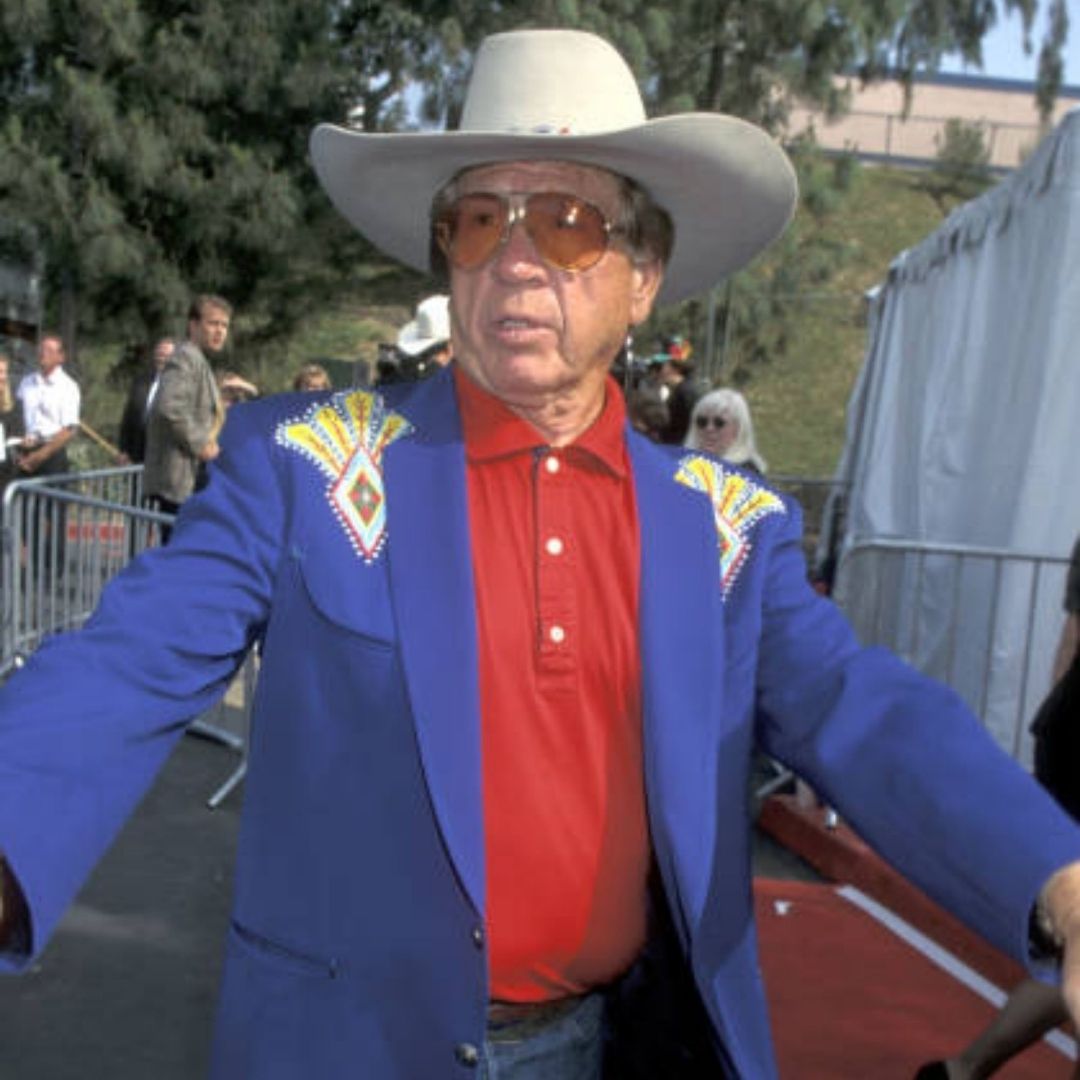
“Act Naturally” was born out of Johnny Russell’s personal experiences and observations. Struggling to make a breakthrough in Nashville, Russell penned the song with Voni Morrison, encapsulating the irony of a man who doesn’t need to “act” to portray a heartbroken individual on screen. Initially, the song faced rejection from several artists, including George Jones. It wasn’t until Buck Owens’ guitarist, Don Rich, brought the song to Owens’ attention that it found its voice.

Released in 1963 by Buck Owens and the Buckaroos, “Act Naturally” quickly climbed to the top of the Billboard Country Singles chart, becoming Owens’ first number-one hit. The song resonated with many for its clever lyrics and authentic country sound, cementing its place in the annals of country music history.

Musical Style

The song is quintessential country, featuring twangy guitars, a steady drumbeat, and Owens’ warm, emotive vocals. Its structure is straightforward, adhering to the traditional verse-chorus format, which allows the story to take center stage. The simplicity of the arrangement underscores the song’s themes, making the ironic lyrics all the more impactful. The use of everyday language and relatable scenarios invites listeners into the narrative, a hallmark of effective country songwriting.

Lyrics/Libretto

“Act Naturally” tells the story of a man who is offered a role in a film as a heartbroken individual—a part he feels he’s perfect for because he’s already experiencing those emotions. The lyrics are laced with irony and self-deprecating humor, highlighting the blurred lines between art and life. This narrative approach adds depth to the song, allowing listeners to reflect on their own experiences of heartache and the facades people often maintain.

Performance History

The song’s success didn’t stop with Buck Owens. In 1965, The Beatles covered “Act Naturally” with Ringo Starr on lead vocals, introducing the song to an international audience and bridging the gap between country and rock ‘n’ roll. This version appeared on the UK album Help! and the US album Yesterday and Today. The collaboration between Owens and Starr came full circle in 1989 when they recorded a duet, bringing renewed attention to the song. Over the years, “Act Naturally” has been covered by various artists, each bringing their own flavor while honoring the original’s spirit.

Cultural Impact

“Act Naturally” has left an indelible mark on both country music and popular culture. Its crossover appeal, particularly with The Beatles’ rendition, showcased the versatility of country music and its potential to resonate with diverse audiences. The song has been featured in films, television shows, and continues to be a staple in live performances by country artists. Its themes of authenticity and irony remain relevant, reflecting societal tendencies to mask true emotions—a concept that transcends time.

Legacy

The enduring popularity of “Act Naturally” speaks to its universal appeal. It not only propelled Buck Owens to stardom but also influenced countless musicians who admire its seamless blend of narrative and melody. The song stands as a testament to the power of straightforward storytelling in music and continues to be celebrated for its contribution to bridging musical genres.

Conclusion

“Act Naturally” is a gem that beautifully encapsulates the human experience with a wink and a nod. Its relatable story and catchy tune make it a delightful listen, whether you’re a fan of country music or not. I highly recommend exploring both Buck Owens’ original version and The Beatles’ cover to fully appreciate the song’s versatility and impact. Each rendition offers a unique interpretation while staying true to the heart of the song—an honest reflection on life’s little ironies

Video

Lyrics

They’re gonna put me in the movies
They’re gonna make a big star out of me
We’ll make a film about a man that’s sad and lonely
And all I gotta do is act naturally
Well, I’ll bet you I’ma gonna be a big star
Might win an Oscar you can’t never tell
The movie’s gonna make me a big star
‘Cause I can play the part so well
Well, I hope you come to see me in the movie
Then I know that you will plainly see
The biggest fool that’s ever hit the big time
And all I gotta do is act naturally
We’ll make a scene about a man that’s sad and lonely
And begging down upon his bended knee
I’ll play the part but I won’t need rehearsin’
All I’ll have to do is act naturally
Well, I’ll bet you I’ma gonna be a big star
Might win an Oscar you can’t never tell
The movie’s gonna make me a big star
‘Cause I can play the part so well
Well, I hope you come to see me in the movie
Then I’ll know that you will plainly see
The biggest fool that’s ever hit the big time
And all I gotta do is act naturally

Related Post

AFTER POP MADE THEM FAMOUS AND COUNTRY MADE THEM STARS, THE BELLAMY BROTHERS FINALLY CUT A SONG THAT SOUNDED LIKE HOME. By the early 1980s, David and Howard Bellamy had already proved they could survive more than one kind of success. “Let Your Love Flow” had taken them through the pop world. “If I Said You Had a Beautiful Body Would You Hold It Against Me” had given them their first No. 1 in country. Then came “Sugar Daddy,” “Lovers Live Longer,” and enough hits to make Nashville understand that the Florida brothers were not passing through. But they still did not sound like Music Row had invented them. Their background was ranch land, Southern heat, dance halls, and the kind of people country songs often talked about without letting them speak for themselves. David Bellamy took that world and put it into “Redneck Girl.” The title was not designed to make anybody comfortable. It was affectionate, funny, a little rough around the edges, and built around a woman who did not need polishing to be worth wanting. The song did not ask Nashville to approve the place the Bellamys came from. It brought that place directly onto country radio. Released in 1982, “Redneck Girl” went to No. 1. That success mattered because it gave the brothers something bigger than another chart entry. It gave them a permanent identity. They could sing love songs, novelty songs, soft pop melodies, and country ballads, but listeners now knew where the center was. They were Florida boys. And they were not going to sand that down

THE SONG WENT TO NO. 1. DAR RYL WORLEY KEPT GOING TO THE PLACES WHERE THE PEOPLE INSIDE THE SONG WERE STILL LIVING THE CONSEQUENCES. “Have You Forgotten?” changed Darryl Worley’s career in 2003. The song reached No. 1 and stayed there for seven weeks. It made him one of the most talked-about voices in country music at a time when America was still carrying September 11 into every conversation about war, service, and loss. But Worley had already taken the song overseas before country radio made it huge. In December 2002, he performed for American troops in Afghanistan and Kuwait. The song was still new. It had not become a political argument on television yet. It was simply a question being sung to soldiers far from home. He kept going back. Iraq. Kuwait. Afghanistan. Korea. Japan. Military bases where the audience did not arrive through ticket scanners and leave for the parking lot after the encore. These were men and women preparing for deployment, returning from it, or counting the days until they could see home again. For Worley, the visits became more than appearances. He later said performing for troops did not require a grand gesture. It only required showing up and letting them know somebody remembered they were there. Over the years, the trips became part of the life around his music, alongside charity work for military families and the community projects he kept building back in Tennessee. The record gave Darryl Worley a public voice. The bases gave that voice a reason to keep traveling.

WILLIE NELSON WALKED INTO TOOTSIE’S WITH A SONG ABOUT TALKING TO A ROOM. FARON YOUNG TOOK IT HOME, RECORDED IT, AND PUT WILLIE’S NAME ON COUNTRY RADIO. In 1961, Willie Nelson was still trying to get established in Nashville. He had songs. He had a guitar. He had the odd phrasing and the strange, conversational writing that some people loved but not everybody knew how to sell. Music Row had writers everywhere. A young songwriter could spend years waiting for somebody important to hear the right song at the right time. Then Willie brought “Hello Walls” to Faron Young. The song was built around a lonely man talking to the walls, windows, and ceiling after a woman left. It was clever without showing off. Sad without collapsing. The kind of lyric that made an empty room feel like another character in the story. Faron heard it at Tootsie’s Orchid Lounge. He recorded it. Released in 1961, “Hello Walls” climbed to No. 1 on the country chart and stayed there for nine weeks. It crossed into the pop Top 20. For Faron, it became the biggest hit of his career. For Willie, it changed the way Nashville saw him. Before “Hello Walls,” he was a writer trying to get songs cut. After it, he was the man who had written a No. 1 for Faron Young. Patsy Cline would soon cut “Crazy.” Billy Walker would record “Funny How Time Slips Away.” Ray Price would take “Night Life.” Willie still had years to go before becoming the outlaw giant people know now, but the door had opened. Faron Young did not make Willie Nelson famous by himself. He gave the first big proof that Willie’s strange little songs could carry a whole country chart.

You Missed

AFTER POP MADE THEM FAMOUS AND COUNTRY MADE THEM STARS, THE BELLAMY BROTHERS FINALLY CUT A SONG THAT SOUNDED LIKE HOME. By the early 1980s, David and Howard Bellamy had already proved they could survive more than one kind of success. “Let Your Love Flow” had taken them through the pop world. “If I Said You Had a Beautiful Body Would You Hold It Against Me” had given them their first No. 1 in country. Then came “Sugar Daddy,” “Lovers Live Longer,” and enough hits to make Nashville understand that the Florida brothers were not passing through. But they still did not sound like Music Row had invented them. Their background was ranch land, Southern heat, dance halls, and the kind of people country songs often talked about without letting them speak for themselves. David Bellamy took that world and put it into “Redneck Girl.” The title was not designed to make anybody comfortable. It was affectionate, funny, a little rough around the edges, and built around a woman who did not need polishing to be worth wanting. The song did not ask Nashville to approve the place the Bellamys came from. It brought that place directly onto country radio. Released in 1982, “Redneck Girl” went to No. 1. That success mattered because it gave the brothers something bigger than another chart entry. It gave them a permanent identity. They could sing love songs, novelty songs, soft pop melodies, and country ballads, but listeners now knew where the center was. They were Florida boys. And they were not going to sand that down

THE SONG WENT TO NO. 1. DAR RYL WORLEY KEPT GOING TO THE PLACES WHERE THE PEOPLE INSIDE THE SONG WERE STILL LIVING THE CONSEQUENCES. “Have You Forgotten?” changed Darryl Worley’s career in 2003. The song reached No. 1 and stayed there for seven weeks. It made him one of the most talked-about voices in country music at a time when America was still carrying September 11 into every conversation about war, service, and loss. But Worley had already taken the song overseas before country radio made it huge. In December 2002, he performed for American troops in Afghanistan and Kuwait. The song was still new. It had not become a political argument on television yet. It was simply a question being sung to soldiers far from home. He kept going back. Iraq. Kuwait. Afghanistan. Korea. Japan. Military bases where the audience did not arrive through ticket scanners and leave for the parking lot after the encore. These were men and women preparing for deployment, returning from it, or counting the days until they could see home again. For Worley, the visits became more than appearances. He later said performing for troops did not require a grand gesture. It only required showing up and letting them know somebody remembered they were there. Over the years, the trips became part of the life around his music, alongside charity work for military families and the community projects he kept building back in Tennessee. The record gave Darryl Worley a public voice. The bases gave that voice a reason to keep traveling.

WILLIE NELSON WALKED INTO TOOTSIE’S WITH A SONG ABOUT TALKING TO A ROOM. FARON YOUNG TOOK IT HOME, RECORDED IT, AND PUT WILLIE’S NAME ON COUNTRY RADIO. In 1961, Willie Nelson was still trying to get established in Nashville. He had songs. He had a guitar. He had the odd phrasing and the strange, conversational writing that some people loved but not everybody knew how to sell. Music Row had writers everywhere. A young songwriter could spend years waiting for somebody important to hear the right song at the right time. Then Willie brought “Hello Walls” to Faron Young. The song was built around a lonely man talking to the walls, windows, and ceiling after a woman left. It was clever without showing off. Sad without collapsing. The kind of lyric that made an empty room feel like another character in the story. Faron heard it at Tootsie’s Orchid Lounge. He recorded it. Released in 1961, “Hello Walls” climbed to No. 1 on the country chart and stayed there for nine weeks. It crossed into the pop Top 20. For Faron, it became the biggest hit of his career. For Willie, it changed the way Nashville saw him. Before “Hello Walls,” he was a writer trying to get songs cut. After it, he was the man who had written a No. 1 for Faron Young. Patsy Cline would soon cut “Crazy.” Billy Walker would record “Funny How Time Slips Away.” Ray Price would take “Night Life.” Willie still had years to go before becoming the outlaw giant people know now, but the door had opened. Faron Young did not make Willie Nelson famous by himself. He gave the first big proof that Willie’s strange little songs could carry a whole country chart.

BEFORE HIS FIRST NO. 1, DARRYL WORLEY HAD A DEGREE IN CHEMISTRY AND A JOB FAR FROM A COUNTRY STAGE. He studied biology and chemistry at the University of North Alabama. After graduation, he worked in the chemical industry — the kind of job that gave a man a paycheck, a schedule, and a reason to stop chasing every late-night idea with a guitar. But music kept pulling at him. Worley had grown up in southern Tennessee with a Methodist preacher for a father and a mother who sang in the church choir. He had heard country music in the house before he understood the business around it. So after work, he kept writing. Eventually, he found his way to Muscle Shoals. At FAME Studios, Rick Hall gave him a place to learn the hard side of the craft. Worley spent years writing, playing clubs nearly every night, and trying to make songs work before there was any promise they would ever become records. Muscle Shoals had made room for soul, country, rock, and people who did not fit cleanly in any of them. Darryl belonged there. Five years later, he went to Nashville. The first records gave him a foothold. “When You Need My Love.” “A Good Day to Run.” “Second Wind.” But he was still trying to turn a working songwriter’s life into a real career. Then came “I Miss My Friend.” The song was not flashy. It was built around a man realizing he does not only miss the woman who left — he misses the person who knew his everyday life, his habits, his silence, the ordinary things nobody notices until they are gone. Released in 2002, it became Worley’s first No. 1. The man with a chemistry degree had finally found the formula Nashville could not ignore. But the song did not sound like it came from a formula. It sounded like it came from somebody who had spent enough years waiting to know what absence felt like.