
Introduction
Imagine stepping into the shoes of a post-war American worker, the weight of a day’s labor pressing down like the sixteen tons of coal famously referenced in the song “Sixteen Tons.” The song’s evocative lyrics and haunting melody encapsulate a unique era of American history, making it a timeless piece of music that has resonated with audiences for decades.
About The Composition
- Title: Sixteen Tons
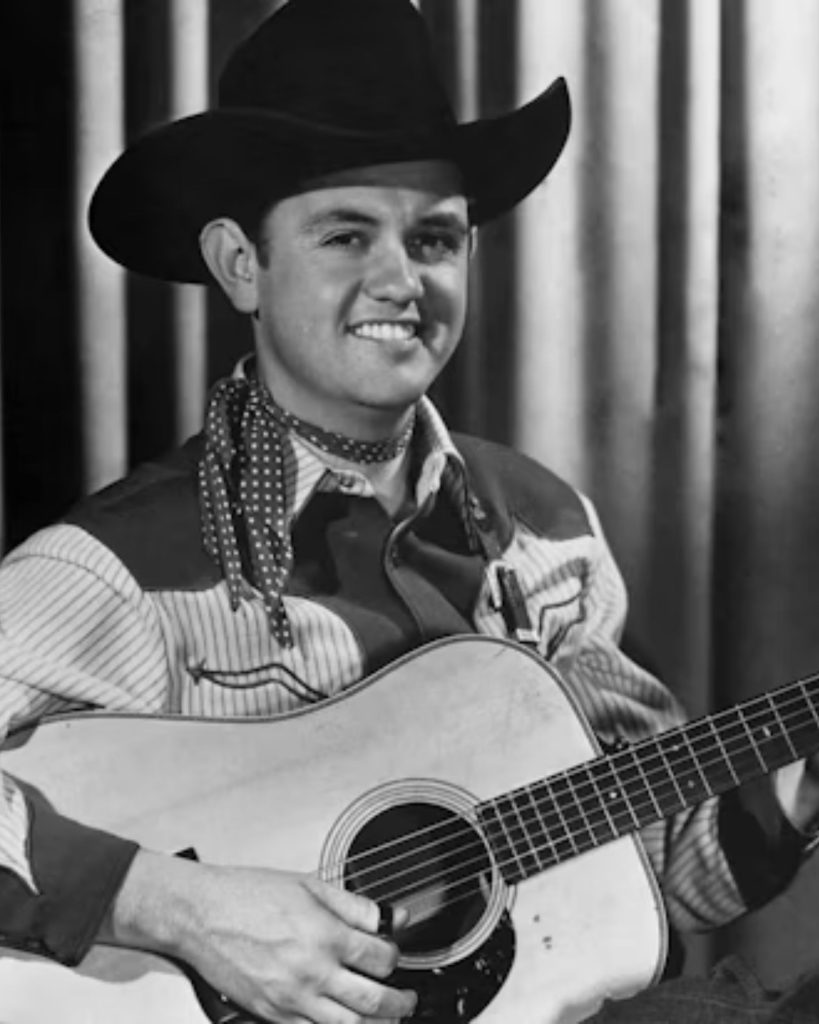
- Composer: Merle Travis
- Premiere Date: 1947
- Album/Opus/Collection: Originally released by Capitol on an album of folk songs
- Genre: Country/Folk
Background
“Sixteen Tons” was written by Merle Travis, inspired by his own father’s experiences as a coal miner in Kentucky. The song reflects the harsh and oppressive conditions of coal miners, many of whom lived in company towns and were paid in company scrip, trapping them in a cycle of debt. This phenomenon is poignantly referred to in the song’s line, “I owe my soul to the company store.” Initially released in 1947, the song’s portrayal of life in the mines and the broader struggles faced by workers struck a chord with many, turning it into an anthem of sorts for laborers and unions. The song became even more popular with Tennessee Ernie Ford’s cover in 1955, which sold over a million copies.
Musical Style
The musical style of “Sixteen Tons” is marked by its minimalist arrangement, typically featuring guitar and Travis’ own rhythmic finger-picking style, which adds a gritty, almost tactile texture to the performance. The melody is both somber and catchy, reflecting the bleak humor of the lyrics. The call-and-response pattern in Ford’s version mirrors the work songs of southern laborers, enhancing the song’s authenticity and emotional impact.
Lyrics/Libretto
The lyrics of “Sixteen Tons” tell the story of a day laborer, recounting his daily struggles against a backdrop of economic exploitation and physical hardship. The refrain, “Another day older and deeper in debt,” poignantly captures the vicious cycle of his existence. The song uses sharp, vivid imagery to express themes of fatigue, resignation, and the unrelenting nature of the worker’s plight.
Performance History
Since its release, “Sixteen Tons” has been covered by numerous artists across various genres, each bringing their own style and interpretation. Notably, Tennessee Ernie Ford’s 1955 version is credited with bringing the song to a broader audience, making it a cultural and commercial success. This version emphasized the song’s rhythm and depth, contributing significantly to its classic status.
Cultural Impact
“Sixteen Tons” has transcended its origins as a folk country song to become a powerful symbol in popular culture, representing the struggles of the working class. Its inclusion in movies, television shows, and other media has broadened its reach, making its message both universal and enduring.
Legacy
Today, “Sixteen Tons” remains a critical piece of America’s musical legacy, resonating with new generations who discover its poignant message and compelling melody. It serves as a reminder of the historical struggles of laborers and the power of music to reflect social issues.
Conclusion
“Sixteen Tons” is more than just a song; it’s a powerful narrative that offers a window into the American soul. Whether through Merle Travis’ original haunting chords or Tennessee Ernie Ford’s booming voice, this song invites reflection on the past and present challenges faced by workers. I encourage music enthusiasts to explore different versions of this song, each of which highlights unique aspects of its timeless message.
Video
Lyrics
Some people say a man is made outta mud
A poor man’s made outta muscle and blood
Muscle and blood and skin and bones
A mind that’s a-weak and a back that’s strong
You load 16 tons, what do you get?
Another day older and deeper in debt
St. Peter, don’t you call me ’cause I can’t go
I owe my soul to the company store
I was born one mornin’ when the sun didn’t shine
I picked up my shovel and I walked to the mine
I loaded 16 tons of number nine coal
And the straw boss said, “Well, a-bless my soul”
You load 16 tons, what do you get?
Another day older and deeper in debt
St. Peter, don’t you call me ’cause I can’t go
I owe my soul to the company store
I was born one mornin’, it was drizzlin’ rain
Fightin’ and trouble are my middle name
I was raised in the canebrake by an ol’ mama lion
Can’t no high toned woman make me walk the line
You load 16 tons, what do you get?
Another day older and deeper in debt
St. Peter, don’t you call me ’cause I can’t go
I owe my soul to the company store
If you see me comin’, better step aside
A lotta men didn’t, a lotta men died
One fist of iron, the other of steel
If the right one don’t get you
Then the left one will
You load 16 tons, what do you get?
Another day older and deeper in debt
St. Peter, don’t you call me ’cause I can’t go
I owe my soul to the company store