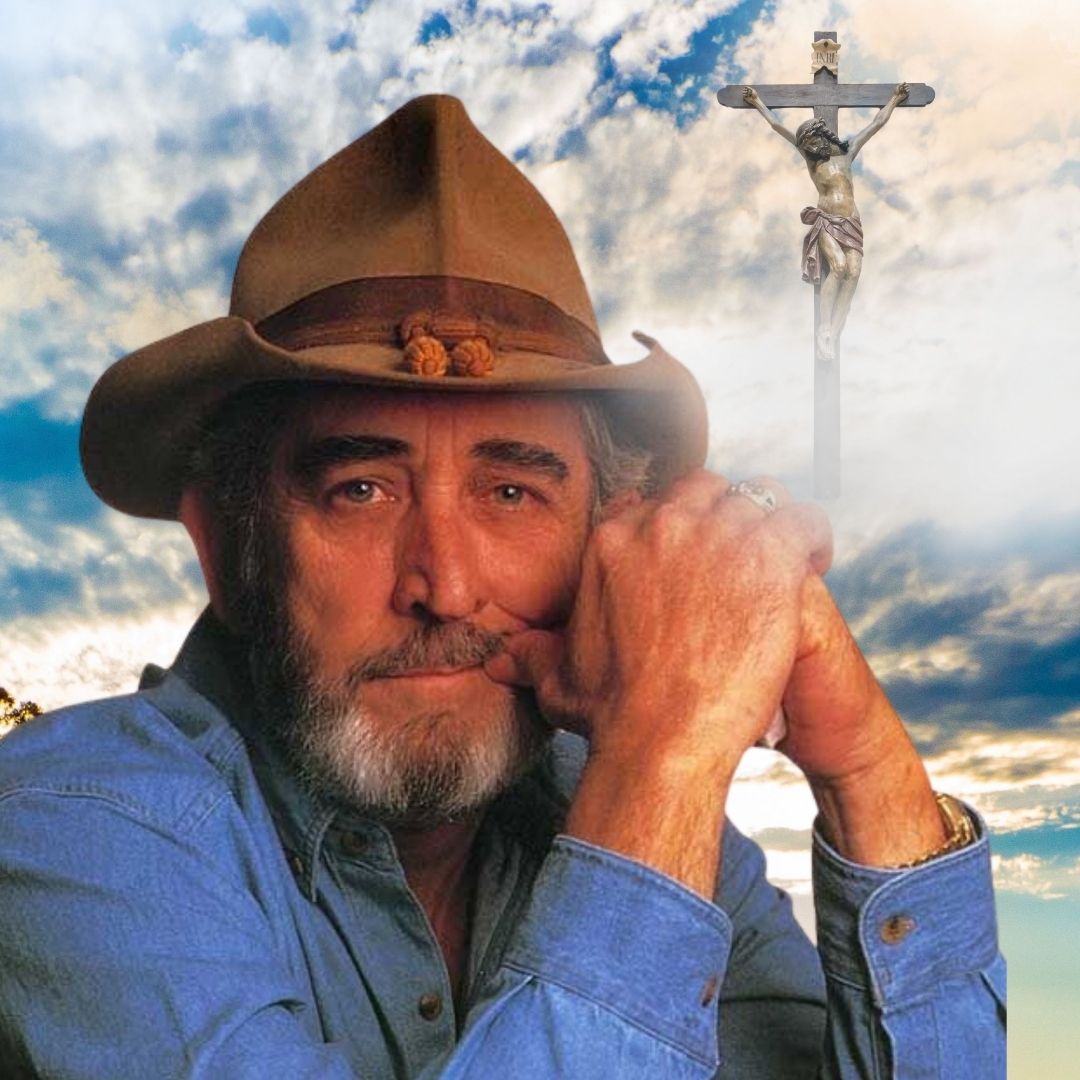
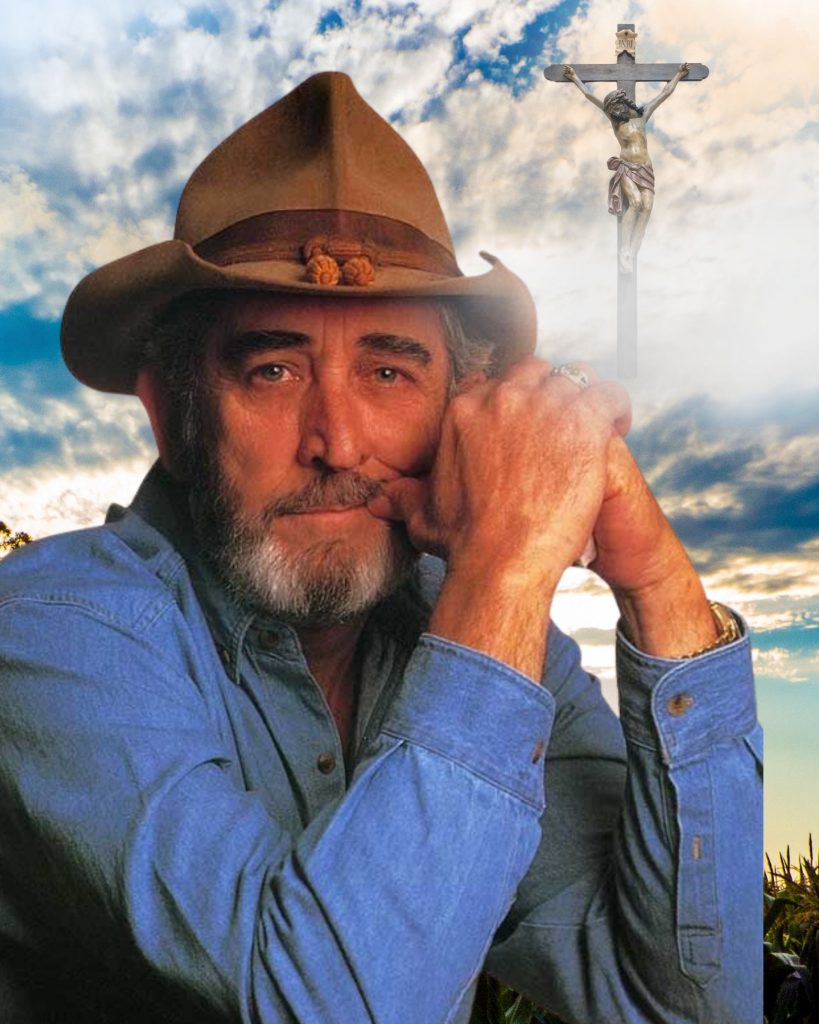
Introduction
There’s something universally relatable about waking up and hoping the day ahead will be kind to you. It’s a sentiment we’ve all felt, and it’s captured beautifully in Don Williams’ song “Lord, I Hope This Day Is Good.” This song has a way of connecting with listeners on a deeply personal level, making it a timeless piece that resonates with anyone who has ever needed a little extra hope to get through the day.
About The Composition
- Title: Lord, I Hope This Day Is Good
- Composer: David Hanner
- Premiere Date: November 1981
- Album/Opus/Collection: Especially for You
- Genre: Country
Background
“Lord, I Hope This Day Is Good” was composed by David Hanner and recorded by Don Williams, one of country music’s most iconic voices. Released in 1981 as part of the album Especially for You, the song quickly became a fan favorite, earning its place as a classic in Williams’ extensive repertoire. The song was written during a time when country music was seeing a shift towards a more polished, crossover-friendly sound, but Williams maintained his signature style—one that was laid-back, sincere, and relatable.
The song’s gentle plea for a good day and the humble acknowledgment of life’s struggles struck a chord with listeners. It’s a simple yet profound expression of hope, delivered in Williams’ smooth, comforting voice, which only adds to its timeless appeal.
Musical Style
Musically, “Lord, I Hope This Day Is Good” stays true to the traditional country sound that Don Williams is known for. The arrangement is understated, allowing the lyrics to take center stage. The instrumentation features acoustic guitars, soft percussion, and Williams’ warm baritone, creating a soothing, reflective mood that perfectly complements the song’s message.
The structure is straightforward, with a verse-chorus format that makes it easy for listeners to follow along and sing along. This simplicity is one of the song’s strengths—it doesn’t try to be more than what it is, and that authenticity is what makes it so effective.
Lyrics
The lyrics of “Lord, I Hope This Day Is Good” are a heartfelt prayer for a better day, filled with humility and a quiet desperation that many can relate to. Lines like “I’m feeling empty and misunderstood” and “I should be thankful, Lord, I know I should” convey a sense of weariness and longing for peace. The song’s refrain, “Lord, I hope this day is good,” is both a plea and a declaration of faith, embodying the hope that things will get better.
Performance History
Since its release, “Lord, I Hope This Day Is Good” has been performed by numerous artists and remains a staple in Don Williams’ live performances. Its enduring popularity is a testament to its universal appeal and the way it resonates with listeners of all ages. The song has also been covered by other country artists, further cementing its status as a classic.
Cultural Impact
The cultural impact of “Lord, I Hope This Day Is Good” extends beyond the world of country music. Its message of hope and resilience has made it a go-to song for those seeking comfort during difficult times. It has been featured in various media, from television shows to movies, and continues to be a source of solace for many.
Legacy
“Lord, I Hope This Day Is Good” remains one of Don Williams’ most beloved songs. Its simplicity, sincerity, and relatability ensure that it will continue to touch the hearts of listeners for generations to come. The song’s enduring popularity is a testament to its timeless message and the gentle power of Williams’ voice.
Conclusion
“Lord, I Hope This Day Is Good” is more than just a song—it’s a reminder that even on the toughest days, there is always hope for something better. Whether you’re a longtime fan of Don Williams or discovering his music for the first time, this song is a must-listen. Its soothing melody and heartfelt lyrics make it the perfect companion for anyone in need of a little encouragement. So, take a moment, listen to this beautiful piece, and let it fill your day with hope
Video
Lyrics
Lord, I hope this day is good
I’m feelin’ empty and misunderstood
I should be thankful, Lord, I know I should
But Lord, I hope this day is good
Lord, have you forgotten me
I’ve been prayin’ to you faithfully
I’m not sayin’ I’m a righteous man
But Lord, I hope you understand
I don’t need fortune and I don’t need fame
Send down the thunder, Lord, send down the rain
But when you’re plannin’ just how it will be
Plan a good day for me
Lord, I hope this day is good
I’m feelin’ empty and misunderstood
I should be thankful, Lord, I know I should
But Lord, I hope this day is good
You’ve been the King since the dawn of time
All that I’m asking is a little less crime
It might be hard for the devil to do
But it would be easy for You
Lord, I hope this day is good
I’m feelin’ empty and misunderstood
I should be thankful, Lord, I know I should
But Lord, I hope this day is good